
Imagine living in a house that has a leaking roof, broken windows, or no heating in the winter. It can be scary, especially if you do not have much money to fix these problems. But there is good news: home repair grants can help!
Home repair grants are free money from the government or other groups. You do not have to pay the money back. These grants help people fix their homes when they can not afford it. They are very helpful for low-income families, senior citizens, and veterans living in Wisconsin.
In this article, we will explain everything about home repair grants in Wisconsin in simple words. You will learn who can get help, what types of repairs are covered, and how to apply in 2026.
Who This Guide Is For
This guide is designed for:
- Low-income homeowners
- Seniors living on fixed income
- Veterans and disabled individuals
- Families living in unsafe homes
It focuses on real problems like leaking roofs, broken heating systems, and unsafe living conditions.
How This Content Helps You
This content gives step-by-step help so you can:
- Understand available grants
- Check eligibility quickly
- Apply without confusion
- Find local help faster
What Are Grants for Home Repair?
A home repair grant is free money given to homeowners to fix or improve their homes. This money can be used to fix:
Leaky roofs
Broken heating systems
Plumbing problems
Dangerous stairs or floors
Damaged walls and windows
Unlike loans, you do not need to pay the money back. That is why grants are so helpful.
These grants come from:
The federal government
The state of Wisconsin
Cities and counties
Charities and nonprofits
What Makes Home Repair Grants Vital?
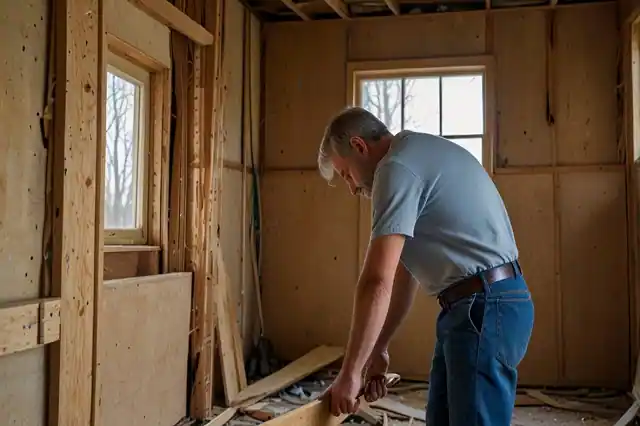
Some people in Wisconsin live in old homes that need repairs. But fixing a home can cost thousands of dollars. Many families cannot afford that.
Without repairs, homes can become unsafe. For example:
A broken heater can be dangerous in winter.
A leaky roof can cause mold.
Loose stairs can lead to falls.
That is why home repair grants are so important. They help people live in safe, warm, and healthy homes.
Read- Energy Efficient Upgrades by HUD Home Improvement Grants
Who Can Get Home Repair Grants in Wisconsin?
Not everyone can get a home repair grant. These grants are mostly for people who truly need help.
Here are the groups that usually qualify:
Low-Income Families
If your income is low and you own your home, you might get a grant. Each program has different income limits. For example, if your family makes less than $40,000 per year, you may qualify.
Senior Citizens (Age 60 or Older)
Older adults often live on a fixed income, like Social Security. They may not have enough money for repairs. Many grants in Wisconsin are made especially for seniors.
Read- Free Home Improvement Grants For Low Income Seniors: Funding Options
Veterans and Disabled Individuals
There are special programs for veterans and people with disabilities. These programs may help make the home safer, like adding ramps or grab bars.
Rural Homeowners
If you live in the countryside or a small town, you may also be able to get help from rural housing repair programs.
Single Parents and Families with Children
Some programs give extra help to single moms, dads, or families with young children living in unsafe homes.
Top Home Repair Grant Programs in Wisconsin (2026)
Here are the best home repair grants available in Wisconsin in 2026:
USDA Section 504 Home Repair Program
This is a federal program for people living in rural areas.
If you are 62 or older, you may get a grant of up to $10,000.
Younger people may qualify for a low-interest loan instead.
The money can be used for fixing, improving, or making the home safer.
How to apply: Visit your local USDA office or check rd.usda.gov.
Read- HUD Home Improvement Grants $35000- Get Free Home Repair
Community Development Block Grant (CDBG) – Local Programs
Many cities and counties in Wisconsin use CDBG funds to help homeowners.
These grants often go to:
- Low-income homeowners
- Seniors
- Families with children
The grant amounts vary by city. Some cities give $5,000 to $20,000 or more for repairs.
Where to ask: Contact your city hall or county housing office.
Weatherization Assistance Program (WAP)
This program helps people make their homes more energy efficient. It is great for:
- Fixing insulation
- Repairing windows or doors
- Improving heating systems
You can save money on your energy bills with these repairs.
Who can get it: Low-income families, senior citizens, and people with disabilities.
How to apply: Contact your local community action agency.
WHEDA (Wisconsin Housing and Economic Development Authority)
WHEDA helps with home loans and sometimes partners with programs that offer repair grants or low-cost loans.
Even if WHEDA does not give the grant directly, it can help connect you with the right resources.
Website: wheda.com
Habitat for Humanity Critical Home Repair
Habitat for Humanity does not just build homes. It also helps fix them.
Their Critical Home Repair program helps low-income homeowners with:
- Roof repair
- Plumbing and electrical work
- Accessibility changes
You may need to help out (called “sweat equity”) if you are physically able.
Visit: habitat.org and look for your local office in Wisconsin.
Rebuilding Together Wisconsin
This nonprofit helps seniors, veterans, and low-income homeowners.
They send volunteers to fix:
- Roofs
- Bathrooms
- Floors
- Kitchens
The help is free, and the repairs make homes safer and healthier.
Website: rtwisconsin.org
Home Repair Help by City or County in Wisconsin
Many local areas in Wisconsin have their own programs. Here are a few examples:
Milwaukee
- Offers home repair grants for seniors and low-income homeowners.
- May cover plumbing, electrical, roof, and siding repairs.
Madison
- Has a Home Rehabilitation Loan Program that sometimes includes grants.
- Works with nonprofits to help elderly homeowners.
Green Bay
- Offers small grants and loans for home safety improvements.
- Racine and Kenosha
Partner with local nonprofits to help with urgent home repairs.
Tip: Always call your city housing office to ask about local programs.
How to Apply for a Home Repair Grant in Wisconsin
Step-by-Step Guide
- Find the right program based on your location, income, or eligibility
- Check eligibility rules carefully
- Gather required documents
- Contact the local housing office or agency
- Submit your application
- Wait for approval and inspection
What Types of Repairs Are Covered?
Most home repair grants help fix problems that make your home unsafe. These may include:
- Roof leaks
- Broken heaters or air conditioners
- Plumbing issues (leaks, pipes, water heater)
- Electrical problems (wiring, fuse box)
- Foundation or floor cracks
- Mold or water damage
- Windows and doors that do not close properly
- Steps, railings, and ramps for safety
- Smoke detectors and carbon monoxide alarms
Some programs also help with energy-saving repairs, like adding insulation or replacing old appliances.
What If You do not qualify for a Grant?
Do not worry. There are other options.
- Low-Interest Loans: Some cities and groups offer loans with very low interest rates to help homeowners fix their homes.
- Deferred Payment Loans: You do not pay the loan back until you sell the home or pass away.
- Volunteer Repair Programs: Groups like Rebuilding Together may help for free, even if you do not get a grant.
- Churches and Community Groups: Some churches or neighborhood groups give small repair grants or send volunteers.
Quick Summary:
Home repair grants in Wisconsin help low-income homeowners, seniors, veterans, and families fix unsafe homes without repayment. Programs like USDA Section 504, CDBG, and Weatherization Assistance cover repairs such as roofs, heating, plumbing, and safety improvements. To apply, find the right program, check eligibility, gather documents, and contact your local housing office.
Why You Can Trust This Information
This content is written based on publicly available government housing programs and verified nonprofit assistance sources.
Verified Sources and Program Accuracy
All the programs mentioned in this guide are based on real and active housing assistance programs, such as:
- USDA Section 504 Home Repair Program
- Community Development Block Grant (CDBG)
- Weatherization Assistance Program
- Habitat for Humanity
- Rebuilding Together
These programs are widely used across the United States to support low-income homeowners, seniors, and veterans.
Local Relevance for Wisconsin Residents
This content is focused specifically on homeowners living in Wisconsin.
It includes:
- State-level programs
- City and county-based help
- Rural housing support options
This makes the information more useful than general guides that do not focus on a specific location.
Updated for 2026 Programs and Eligibility
Housing programs and grant rules change often.
This guide is updated for 2026 to reflect:
- Current eligibility rules
- Latest funding programs
- Updated application steps
Always check with your local housing office for the most recent updates.
Last Update: April 2026
Transparency About Limitations
Not everyone will qualify for a home repair grant.
Eligibility depends on:
- Income level
- Age
- Location
- Type of repair needed
If you do not qualify, this guide also shows other options like low-interest loans and volunteer programs.
Frequently Asked Questions
Here are quick answers to common questions about home repair grants in Wisconsin:
What is a home repair grant?
A home repair grant is free money given to homeowners to fix or improve their homes, and you do not need to pay it back.
Who qualifies for home repair grants in Wisconsin?
Low-income families, seniors, veterans, disabled individuals, rural homeowners, and families with children may qualify.
What repairs are covered by home repair grants?
Repairs like roof leaks, heating problems, plumbing, electrical issues, damaged floors, mold, windows, and safety upgrades are covered.
How do I apply for a home repair grant?
Find the right program, check eligibility, and submit documents like income proof, ID, and homeownership papers.
What if I do not qualify for a grant?
You can apply for low-interest loans, deferred payment loans, or get help from volunteer programs and community groups.
Conclusion
If your home needs fixing and you can not afford it, do not give up. Many people in Wisconsin are getting help in 2026 through home repair grants.
These programs are here to help:
- Seniors stay safe
- Veterans feel comfortable
- Families raise kids in better homes
Start by calling your local housing office or checking the USDA and Habitat for Humanity websites. There is help out there—you just need to take the first step.
1 thought on “Free Home Repair Grants Wisconsin 2026-$10,000 Assistance”