
Quick Answer: Bathroom repair grants are free government or nonprofit programs that help low-income homeowners, seniors, disabled individuals, and veterans fix unsafe bathrooms. These grants often cover plumbing repairs, mold removal, and safety upgrades like grab bars or walk-in showers, and most do not require repayment.
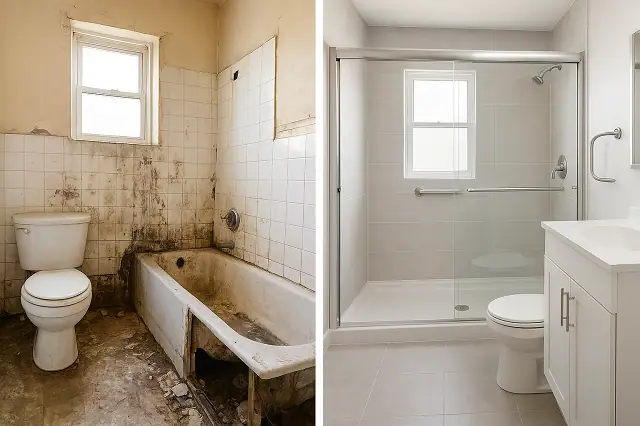
Bathroom repair and renovation can be very costly. Many families delay fixing broken bathrooms because they simply cannot afford the high cost. A small leak today can turn into mold damage tomorrow. Old bathrooms without safety features can also be dangerous for seniors and disabled people.
The good news is that there are bathroom renovation grants that help low-income homeowners fix or upgrade their bathrooms without paying the full cost. Some programs even offer free money that does not need to be paid back.
This guide explains everything you need to know, like who qualifies, what is covered, how to apply, and how much money you can get.
What are Bathroom Repair and Renovation Grants
Bathroom repair and renovation grants are special financial help programs given by government agencies and nonprofit groups. These grants help people fix broken bathrooms or upgrade old ones for safety and health.
Read- Energy Efficient Upgrades by HUD Home Improvement Grants
Unlike loans, grants do not need to be repaid. That is why they are very helpful for low-income families, seniors, disabled homeowners, and veterans.
These grants exist to:
- Improve health and safety at home
- Prevent water damage and mold
- Make bathrooms safe for elderly and disabled people
- Help families live with dignity
Bathroom grants may help with:
- Plumbing leaks
- Mold problems
- Broken toilets and sinks
- Unsafe flooring
- Walk-in showers
- Grab bars and handrails
Who Can Qualify for Bathroom Renovation Grants
Not everyone can get a bathroom renovation grant. These programs are made mainly for people who truly need financial help and cannot afford repairs on their own. Each program has its own rules, but most follow similar eligibility guidelines.
Here are the main groups who usually qualify:
Low-Income Homeowner
If your household income is below the limit set by your state or city, you may qualify for bathroom repair grants.
These income limits depend on:
- Your family size
- Your city or county
- Cost of living in your area
Low-income homeowners often qualify for help with:
- Broken toilets and sinks
- Leaking pipes
Read- Free Financial Aid and Grants Assistance To Pay For Leak Repairs
- Mold removal
- Unsafe floors and walls
These grants are given to make sure families can live in healthy and safe homes.
Senior Citizen (Age 60 or 62+)
Many bathroom grant programs are specially designed for older adults, usually aged 60 or 62 and above.
As people grow older, the bathroom becomes the most dangerous room in the house because:
- Floors become slippery
- Bathtubs are hard to step into
- Toilets become difficult to use safely
Seniors often qualify for:
- Walk-in bathtubs
- Walk-in or roll-in showers
- Grab bars near toilets and showers
- Raised toilet seats
- Anti-slip flooring
These upgrades help prevent falls, broken bones, and hospital visits, allowing seniors to live safely in their own homes.
Read- Bathroom Upgradation Grants For Seniors 2025–Home Improvement Assistance
Disabled Person
People with physical disabilities are one of the highest priority groups for bathroom renovation grants.
These grants help make the bathroom:
- Easy to enter
- Easy to move inside
- Safe to use without help
Disabled homeowners may qualify for:
- Wheelchair-accessible showers
- Roll-under sinks
- Wide doorways for wheelchairs
- Handrails on both sides of the toilet
- Handheld shower heads
- Non-slip flooring
These upgrades help disabled people live independently and with dignity.
Read- Free Bathroom Upgradation Grants Assistance For Disabled Homeowners
Veteran or Military Family
Veterans—especially disabled veterans—often qualify for special home improvement programs.
Veterans may receive help through:
- VA home modification programs
- Special housing adaptation grants
- Structural alteration assistance
Bathroom upgrades for veterans may include:
- Walk-in tubs
- Wheelchair showers
- Safety rails
- Widened doors
- Easy-to-use faucets
These programs are meant to honor military service and make daily life safer and easier for veterans and their families.
Read- Free Bathroom Upgradation Grants For Veterans 2025-Home Safety and Comfort
Types of Bathroom Repairs and Renovations Covered by Grants
Bathroom grants usually focus on health, safety, and essential repairs. These programs are not meant for beauty upgrades or luxury remodeling. They are designed to fix real problems that affect daily life.
Common Bathroom Repairs Covered
These are basic but very important repairs that help keep the home safe and healthy:
Leaking Pipes: Stops water damage, rot, and mold growth
Broken Toilets: Fixes flushing problems and sanitation issues
Cracked or Broken Sinks: Prevents water leaks and injuries
Water-Damaged Walls and Floors: Protects the home structure and prevents mold
Mold Removal: Improves air quality and prevents breathing problems
Faulty Drainage: Stops water from flooding the bathroom
These repairs protect both your health and your home value.
Safety and Accessibility Upgrades
Common safety upgrades covered by grants include:
- Walk-In Bathtubs – No need to lift legs
- Roll-In Showers – Easy for wheelchairs
- Grab Bars – Support near the toilet and shower
- Handheld Shower Heads – Easy to use while sitting
- Non-Slip Flooring – Prevents dangerous falls
- Raised Toilet Seats – Make standing easier
- Widened Doorways – Allows wheelchair access
These upgrades help people use the bathroom safely without fear.
Renovation Work Sometimes Covered
Some programs also help with light renovations, especially if they improve safety or hygiene:
- New Bathroom Tiles – Easier to clean, safer surface
- New Vanity and Sink Units – Better storage and access
- New Lighting – Improves visibility
- Ventilation Fans – Reduce moisture and mold
These upgrades are usually allowed only when they improve health and safety.
Bathroom Repair Grants and Renovation Grants
Government Programs That Offer Bathroom Repair and Renovation Grants
Several government programs in the United States offer financial help for bathroom repairs and renovations. These programs are funded by federal, state, and local agencies. Each program has different rules, income limits, and benefits.
Below are the most important and trusted government programs.
HUD Home Repair Grants (Housing & Urban Development)
HUD works to improve housing conditions for low-income homeowners.
HUD programs help with:
- Unsafe plumbing
- Mold removal
- Water damage repair
- Flooring replacement
Read- Floor Replacement Cost in 2025- Grants, Loans, and Assistance
- Bathroom safety upgrades
HUD itself does not give money directly to homeowners. Instead, it:
Sends money to local housing agencies
These local offices run repair programs in cities and counties
Homeowners usually apply through:
- Local housing departments
- Community action agencies
- City redevelopment offices
USDA Rural Housing Repair Program (Section 504)
This is one of the best and most popular programs for bathroom repairs in rural areas.
It helps low-income rural homeowners fix health and safety problems in their homes.
What This Program Offers:
- Grants for seniors (age 62 and older)- Seniors can get free grant money that does not need to be paid back.
- Low-interest loans for younger homeowners- For homeowners under 62 years old.
Read- Section 504 Program-Home Repair Grants For Senior Citizens
Community Development Block Grants (CDBG)
CDBG funds are given by the federal government to:
- Cities
- Towns
- Counties
These local governments then use the money to:
- Repair homes
- Improve neighborhoods
- Help low-income residents
Bathroom-related help may include:
- Plumbing repairs
- Mold removal
- Safety upgrades
- Accessibility renovations
Weatherization & Home Improvement Programs
Weatherization programs mainly focus on:
- Energy savings
- Insulation
- Heating and cooling upgrades
However, these programs sometimes also help with bathroom-related repairs when water damage affects:
- Walls
- Floors
- Insulation
- Electrical wiring
In such cases, the bathroom repairs become part of a larger home safety upgrade project.
Documents Required for Bathroom Grant Applications
Most programs require similar paperwork.
Common Documents Needed:
- Government photo ID
- Proof of income (pay slips, pension, benefits letter)
- Property ownership papers
- Utility bill (for address proof)
- Medical disability proof (if applying for disability grants)
- Veteran papers (if applying as a veteran)
Note: Missing documents are the top reason for application rejection.
How to Apply for Bathroom Repair Grants
- Check Your Eligibility
Make sure you qualify based on income, age, disability, or veteran status. - Find the Right Program
Look for programs like HUD grants, USDA Section 504, or local housing assistance. - Gather Required Documents
Prepare ID, income proof, home ownership papers, and any special eligibility documents. - Submit Your Application
Apply through your local housing authority or community agency. - Wait for Inspection
Some programs will inspect your home to verify repair needs. - Get Approval and Start Repairs
Once approved, funds are released or repairs are arranged. - Complete Repairs and Follow Program Rules
Ensure all repairs meet program guidelines and maintain compliance if required.
How Much Funding You Can Get and What to Expect
Grant amounts depend on the program and your financial need.
Average Grant Amounts:
- Small bathroom repairs: $1,000 to $5,000
- Full safety renovation: $5,000 to $15,000
- Veteran bathroom modifications: Up to $20,000+
Coverage Type:
- Some grants pay 100% of the cost
- Others cover partial costs, and you pay the rest
Approval Time:
- Small grants: 2–6 weeks
- Large renovations: 1–3 months
Frequently Asked Questions (FAQ)
What are bathroom repair grants?
Bathroom repair grants are free financial assistance programs that help homeowners fix or upgrade bathrooms for safety, health, and accessibility without needing to repay the money.
Who qualifies for bathroom renovation grants?
Low-income homeowners, seniors aged 60 or older, disabled individuals, and veterans are the main groups who qualify, depending on income limits and program rules.
What repairs do bathroom grants cover?
Bathroom grants usually cover plumbing leaks, mold removal, broken toilets, safety upgrades like grab bars, walk-in showers, non-slip flooring, and accessibility improvements.
How much money can I get for bathroom repairs?
Grant amounts typically range from $1,000 to $15,000, while veteran programs may offer up to $20,000 or more based on needs.
How long does approval take?
Approval usually takes 2 to 6 weeks for small grants and up to 1 to 3 months for larger renovation projects.
Do bathroom repair grants need to be repaid?
No, bathroom repair grants do not need to be repaid because they are not loans.
Where can I apply for bathroom repair grants?
You can apply through local housing authorities, community agencies, or programs funded by HUD, USDA Section 504, or local government offices.
Why You Can Trust This Information
Last Updated: May 2026
Reviewed By: Housing Assistance Research Team
- Based on Verified Government Programs: This guide uses trusted programs like HUD, USDA Section 504, and Community Development Block Grants.
- Updated for 2025–2026 Policies: All information reflects the latest housing assistance updates and eligibility rules.
- Written in Simple Language: Easy to understand for homeowners without technical knowledge.
- Focused on Real Financial Help: Only verified grants and programs are included.
- Optimized for AI and Search: Structured for clear answers and featured snippet visibility.
Conclusion
Bathroom repair and renovation grants can change lives. They help families stay safe, dry, and comfortable without financial stress. Whether you are a senior, a disabled homeowner, a veteran, or a low-income family, there is help available.

Arthur Pendelton is a senior housing policy researcher and public welfare analyst with over eight years of experience tracking federal, state, and non-profit residential repair programs. He specializes in statutory grant frameworks, including USDA Section 504 Rural Housing, the Department of Energy’s Weatherization Assistance Program (WAP), and municipal HUD Community Development Block Grants (CDBG). Arthur systematically audits Federal Register publications and Title 7/42 CFR regulatory updates to provide low-income homeowners, seniors, and military veterans with accurate, barrier-free application guidance.