
If your home still has old single-pane windows, you are probably paying higher energy bills every month. These windows let heat escape in winter and allow hot air inside during summer. Your heater and air conditioner must work harder, and that means more money out of your pocket. Many homeowners want to upgrade, but the cost can feel too high.
The good news is this: there are grants for replacing single-pane windows and other forms of window replacement financial assistance that can help you pay for this upgrade. Some programs can cover $1,000 to $5,000 or more, depending on your situation. Others can reduce your cost through rebates, energy grants, and tax credits.
In this complete guide, you will learn:
- How window replacement grants work
- Who can get grants for low-income homeowners
- What government grants for windows and local programs exist
- How to apply for financial assistance for replacing old windows
- How much money can you really get
- How to combine home improvement grants, rebates, and tax credits
- Why upgrading from single-pane to double-pane windows is worth it
This article focuses on real help, real numbers, and clear steps.
Read- Free Home Improvement Grants Specifically For Mobile Homes and Trailers
Replacing single-pane windows can cost $4,000 to $12,000, but grants, rebates, and tax credits can reduce costs by thousands. Programs may cover $1,000 to $5,000 or more. Apply through federal, state, utility, and nonprofit programs to qualify for window replacement financial assistance.
What Are Single-Pane Windows and Why Do They Cost You So Much Money?
Single-pane windows are windows with only one layer of glass. Many older homes still have them. Years ago, they were normal. Today, they are known as energy wasters.
Problems with Old Single-Pane Windows
Old windows cause many issues:
- Heat loss in winter and heat gain in summer
- High energy bills every month
- Cold drafts near windows
- Hot rooms in summer
- Outside noise coming inside
- Moisture and condensation can damage walls and frames
Because of these problems, many homes with single-pane windows use more electricity and gas than needed.
Why Replacing Single-Pane Windows Is a Smart Upgrade
When you replace old windows with double-pane or energy-efficient windows, you can:
- Cut heating and cooling costs
- Make your home more comfortable
- Reduce noise from outside
- Increase home value
- Fix drafts and cold spots
- Use less energy and help the environment
This is why many energy-saving home upgrade programs focus on windows. Governments and utility companies know that window upgrade assistance can make a big difference.
Read- Triple Pane Windows Replacement Cost-Free Grants Assistance
How Window Replacement Grants Work (Grants vs Loans vs Rebates)
- A grant is money you do not have to pay back. This is different from:
- A loan, which you must repay
- A rebate, which gives you some money back after you buy
- A tax credit, which lowers your tax bill
What Do Window Replacement Grants Pay For?
Most window replacement grants can help cover:
- The cost of new windows
- Installation and labor
- Energy checks or home inspections
- Sometimes, other small energy fixes
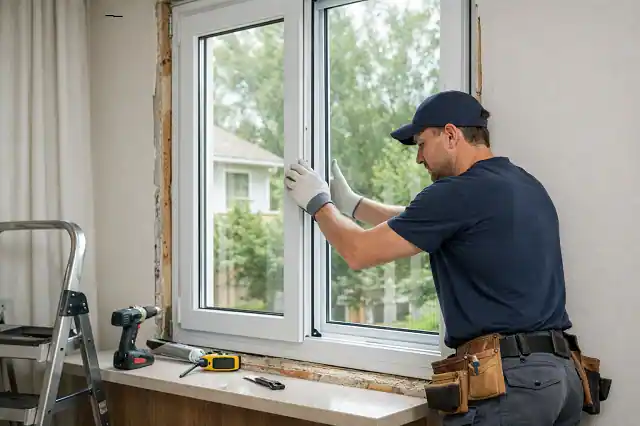
How Much Money Can You Get?
The amount depends on the program and your situation. In many cases:
- Small local programs may offer $500 to $1,500
- Energy programs may offer $2,000 to $5,000
- Some full home repair programs can cover even more if windows are a big problem
For many families, this turns a very expensive project into something affordable.
Who Can Qualify for Grants for Replacing Single-Pane Windows?
Every program has its own rules, but most look at need, income, and energy savings.
Common Groups That Qualify
You may qualify for grants for replacing single-pane windows if you are:
- A low-income homeowner
- A senior citizen
- A veteran or disabled homeowner
- A family living in an older home
- A homeowner with very high energy bills
That is why many programs are also called home repair grants or housing repair grants.
Read- Free Grants For Old Plumbing and Leaking Water Pipe Repairs
Do You Have to Own the Home?
Homeowners: Most programs are for people who own and live in the home.
Renters: Some programs help, but usually the landlord must apply and agree to the work.
Basic Things Programs Usually Check
- Your household income
- That the home is your main residence
- The condition of your windows
- Your energy use and bills
- Your location
Major Energy Programs That Pay for Window Replacement
Many of the biggest programs that pay for window replacement are connected to energy savings and housing safety.
Energy and Weatherization Programs
In the United States, programs linked to the U.S. Department of Energy focus on lowering energy use in homes. One of the most important is the Weatherization Assistance Program (WAP).
This program helps low-income households improve energy efficiency. If old windows are causing major heat loss, the program may:
- Repair windows
- Replace windows
- Improve insulation around windows
For many families, this program can provide $2,000 to $8,000 worth of total energy upgrades, and windows are often part of that work.
Tax Credits for Energy-Efficient Windows
Some savings come through tax credits managed by the Internal Revenue Service. These are not grants, but they reduce how much tax you owe when you install approved energy-efficient windows.
Many of these credits require windows that meet standards set by Energy Star. Depending on the year and the rules, homeowners can often save hundreds to over a thousand dollars through these credits.
Read- Free Grants For Backyard Shed and Workshop Repair or Replacement
Nonprofit Home Repair and Window Help
Some nonprofit groups, such as Habitat for Humanity, also help families fix or upgrade their homes. In some areas, this can include:
- Free or low-cost labor
- Discounted materials
- Full repair programs for people in need
These programs often focus on safe and healthy homes, and bad windows are a common problem.
State, City, and Utility Company Window Replacement Grants
Do not stop with federal programs. Many:
- States
- Cities and counties
- Utility companies
offer energy-efficient window grants, utility company window rebates, or home improvement grants.
Read- Free Grants For Installing Storm Windows and Storm Doors
How Much Do Local Programs Pay?
Local programs often offer:
- $300 to $1,000 per window
- Or $1,000 to $3,000 per home
- Sometimes, more for very low-income households or special cases
Utility companies may give $100 to $500 per window as a rebate when you install approved energy-saving windows.
When you combine these, your total savings can be very large.
How to Get Grants for Window Replacement
Step 1: Check which programs you might qualify for
Look at your income, age, energy bills, and window condition to find the right programs.
Step 2: Gather your documents
Prepare proof of income, home ownership, utility bills, ID, and home details.
Step 3: Apply to more than one program
Apply to federal, state, local, utility, and nonprofit programs to increase your chances.
Step 4: Schedule a home check or energy inspection
Programs may inspect your home to decide which upgrades save the most energy.
Step 5: Wait for approval
After review, the program decides if your project qualifies.
Step 6: Use approved contractors
You may need to use program-approved installers for the work.
Step 7: Complete installation and receive benefits
The program may pay directly or reimburse you after installation.
Read- Free Grants For Fixing Leaky Basements-Low Cost Help For Homeowners
How Much Does It Cost to Replace Single-Pane Windows Without Help?
The cost depends on:
- Window size
- Window type
- Material (vinyl, wood, fiberglass)
- Labor costs in your area
Average Cost
In many places:
One window can cost $400 to $1,200 installed
A full home project can cost $4,000 to $12,000 or more
This is why so many people look for free window replacement programs or window upgrade assistance.
How Grants and Rebates Can Cut Your Costs by Thousands
Let’s look at a simple example:
- Total project cost: $8,000
- Energy or housing grant: $3,500
- Utility rebate: $1,000
- Tax credit: $600
- Your final cost could be around $2,900 instead of $8,000.
This is why it is smart to look for:
- Energy efficiency grants for new windows
- Programs that pay for window replacement
- Double-pane window upgrade grants
- Old window replacement help
Can You Combine Home Improvement Grants, Rebates, and Tax Credits?
Yes, and you should. This is called stacking savings.
You can often:
- Use a grant to cover part of the cost
- Use a utility rebate to lower the price further
- Use a tax credit to save at tax time
Common Mistakes to Avoid
- Buying windows before getting approval
- Using non-approved windows or installers
- Missing deadlines
- Not asking if programs can be combined
Tips to Get Approved for Window Replacement Grants Faster
Here are simple tips that really work:
- Apply early because funds are limited
- Fill out forms carefully
- Send all documents
- Answer calls or emails from the program office
- Ask local agencies for help if you are confused
If one program says no, try another. Many people get approved after applying to two or three programs.
Single-Pane vs Double-Pane Windows: Why Grants Support This Upgrade
Energy Savings
Double-pane and energy-efficient windows:
- Keep the heat inside in winter
- Keep the heat outside in summer
- Lower heating and cooling costs
Many homeowners see 10% to 30% savings on energy bills after upgrades.
- Comfort and Noise
- New windows:
- Reduce drafts
- Make rooms more comfortable
- Block outside noise better
- Long-Term Value
Even if you pay some money, you get:
- Lower bills every month
- Higher home value
- Fewer repair problems
This is why energy-saving home upgrade programs focus so much on windows.
Frequently Asked Questions
1. What are grants for replacing single-pane windows?
Grants for replacing single-pane windows are funds you do not have to repay that help cover the cost of new windows, installation, and energy improvements.
2. Who can qualify for window replacement grants?
Low-income homeowners, seniors, veterans, disabled homeowners, and families living in older homes with high energy bills can qualify.
3. How much money can you get for window replacement?
You can get $500 to $5,000 or more depending on the program, and some full repair programs may cover even higher costs.
4. Do you have to repay window replacement grants?
No, grants do not need to be repaid, unlike loans.
5. Can renters apply for window replacement programs?
Some programs allow renters, but usually the landlord must apply and approve the work.
6. What do window replacement grants cover?
They can cover window costs, installation, labor, inspections, and sometimes other energy-saving upgrades.
7. Can you combine grants, rebates, and tax credits?
Yes, you can combine grants, rebates, and tax credits to reduce your total window replacement cost.
Why You Can Trust This Information
Last Updated: April 2026
Reviewed & Verified By: Home Improvement Grants Research Team
- This guide is based on real government programs, utility rebates, and nonprofit housing assistance sources that help homeowners replace single-pane windows.
- All cost estimates, grant amounts, and savings examples are based on current 2025–2026 data and real program ranges.
- The content is written in simple, clear language so homeowners can easily understand how to qualify and apply.
- Every step is designed to reflect real application processes, including eligibility checks, inspections, approvals, and installation.
- This article is regularly reviewed and updated to match new funding rules, grant availability, and energy-efficiency program changes.
Final Thoughts: Start Your Window Grant Application Today
Replacing single-pane windows is one of the best home upgrades you can make. It saves energy, lowers bills, and makes your home more comfortable. Thanks to grants for replacing single-pane windows in 2026, energy-efficient window grants, home repair grants, and window replacement financial assistance, you do not have to pay the full cost alone.
- Simple Next Steps
- Write down your home’s problems (drafts, high bills, old windows)
- Gather basic documents (income, bills, home info)
- Check local, state, and national programs
- Apply to more than one program
- Ask for help if you need it
With the right mix of grants, rebates, and tax credits, you could save thousands of dollars and finally upgrade those old windows.

Arthur Pendelton is a senior housing policy researcher and public welfare analyst with over eight years of experience tracking federal, state, and non-profit residential repair programs. He specializes in statutory grant frameworks, including USDA Section 504 Rural Housing, the Department of Energy’s Weatherization Assistance Program (WAP), and municipal HUD Community Development Block Grants (CDBG). Arthur systematically audits Federal Register publications and Title 7/42 CFR regulatory updates to provide low-income homeowners, seniors, and military veterans with accurate, barrier-free application guidance.