
As energy prices continue to rise, making upgrades to older homes can be a smart investment for homeowners. Weatherproofing your home can not only provide better comfort through improved insulation and sealing drafts but also result in significant energy savings.
The good news is that various assistance is available to help cover the costs associated with these essential upgrades. In this article, we will delve into the importance of weatherproofing, the types of insulation and sealing options available, and the grants that can help make these projects financially feasible.
Featured Snippet: Weatherproofing older homes helps reduce energy bills, improve comfort, and protect the structure. Homeowners can use insulation like fiberglass or spray foam and seal drafts with caulking and weather stripping. Programs like the Weatherization Assistance Program (WAP), State Energy Program, and utility rebates offer funding between $500 and $8,000. To apply, complete an energy audit, research programs, submit applications, and work with certified contractors.
Why Weatherproofing Matters
Weatherproofing is critical for older homes for several reasons:
Energy Efficiency: Older homes often have inadequate insulation and lots of air leaks, leading to high energy consumption. Sealing these drafts and properly insulating the home can help reduce heating and cooling costs.
Comfort: A well-weatherproofed home maintains a more stable temperature, making it more comfortable to live in regardless of the season.
Read- Affordable Heating Repair Grants and Assistance For Senior Citizens
Longevity: Proper insulation and sealing can protect the structural elements of your home from moisture damage, mold growth, and other issues, prolonging its life.
Environmental Impact: Reducing energy usage lessens your carbon footprint and contributes to a more sustainable future.
Read- Homeowners Grants For Energy Efficient Windows and Doors
Understanding Insulation Options
Before jumping into the grants available for these projects, it is important to understand your insulation options.
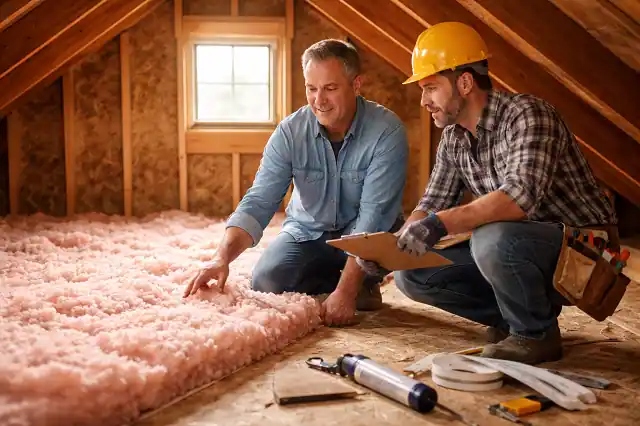
Types of Insulation
Fiberglass Insulation: Made from tiny glass fibers, it is widely used in attics and walls.
Cost: Generally ranges from $0.50 to $2.00 per square foot, depending on the thickness and type.
Foam Board Insulation: Rigid panels that provide a high insulation value per inch. Ideal for basements and exterior walls.
Cost: Typically costs between $1.00 and $3.00 per square foot.
Spray Foam Insulation: This expands after application, filling gaps and providing excellent insulation.
Cost: More expensive, ranging from $1.50 to $3.50 per square foot.
Cellulose Insulation: Made from recycled paper, this is a sustainable option, often blown into walls or attics.
Cost: Usually costs between $0.80 and $2.00 per square foot.
Draft Sealing Methods: Sealing drafts is equally crucial in weatherproofing older homes. Here are some common methods:
Weather Stripping: This adhesive or tape-like material is used around doors and windows.
Cost: Generally between $5 to $15 per roll, depending on the type.
Caulking: Used to seal gaps around windows, doors, and other areas where air might leak.
Cost: A tube of caulk usually costs between $2 to $10.
Door Sweeps: Installed at the bottom of doors to prevent air leakage.
Cost: Usually costs between $10 and $25 per unit.
Grant Opportunities for Weatherproofing
Several grants are available to help homeowners weatherproof older homes, particularly focused on insulation and sealing drafts. Here’s a list of notable programs:
Weatherization Assistance Program (WAP)
The Weatherization Assistance Program, often called WAP, is funded by the U.S. Department of Energy. It is one of the most important programs for helping low-income families make their homes more energy efficient. The main goal of this program is to lower energy bills and make homes safer and more comfortable.
Through WAP, trained workers come to your home and improve insulation, seal air leaks, and fix other problems that waste energy. In many cases, the homeowner does not have to pay anything for these upgrades.
Eligibility: To qualify, your household must meet income limits set by the government. These limits are based on your family size and total income. You must apply through your state or local weatherization agency. Priority is often given to seniors, people with disabilities, and families with children. Both homeowners and renters can apply, but renters usually need permission from their landlord.
Grant Amounts: The amount of help you receive depends on your home’s needs. On average, many homes receive between $6,500 and $8,000 worth of upgrades. Some homes may receive even more if they need a lot of work. This can include attic and wall insulation, air sealing, and small repairs that help save energy.
Read- Free Home Insulation Grants and Assistance For Low Income Veterans
State Energy Program (SEP)
The State Energy Program, or SEP, is run by each state using federal and state funds. These programs are designed to help people use less energy and lower their utility bills. Many states use SEP money to support home energy upgrades like insulation, sealing drafts, and improving heating and cooling systems. Each state can design its own programs, so the exact help you get may be different depending on where you live.
Eligibility: Eligibility rules are different in every state. Most programs focus on low- to moderate-income households, but some are open to a wider group of homeowners. You usually need to live in the home you are applying for and meet certain income or property rules. Checking your state energy office website is the best way to find the exact requirements.
Grant Amounts: The amount of money you can receive also depends on your state and the specific program. Some programs offer $500, while others may offer several thousand dollars for bigger projects. The final amount usually depends on how much work your home needs and how much funding is available in your area.
Federal Housing Administration (FHA) Energy Efficient Mortgage (EEM)
The FHA Energy Efficient Mortgage, or EEM, is not a grant, but it is still a very helpful option for many homeowners. This program allows you to add the cost of energy-saving upgrades, like insulation and air sealing, to your home loan or refinance loan. This means you do not have to pay all the upgrade costs upfront. Instead, you can pay for them over time as part of your monthly mortgage payment.
Eligibility: To use an FHA EEM, you must qualify for an FHA-backed mortgage or refinance. This means meeting the FHA’s credit and income rules. The home must also be able to benefit from energy improvements. In most cases, you will need an energy report or audit to show which upgrades are needed and how they will save energy.
Read- Energy Efficient Upgrades by HUD Home Improvement Grants
Grant Amounts: Because this is a loan program, it does not give free money. However, it can allow you to borrow up to about $8,000 more for energy improvements, depending on your situation and the value of your home. The good news is that the money you save on energy bills can help cover the higher mortgage payment.
Local Utility Rebates
Many local electric and gas companies offer rebate programs to encourage customers to save energy. These rebates are like partial refunds that you get after you install energy-saving upgrades. Common upgrades that qualify include attic and wall insulation, air sealing, and sometimes new windows or doors. These programs help both the customer and the utility company because lower energy use reduces strain on the power system.
Eligibility: Most of the time, these rebates are available to all customers of the utility company. However, the exact rules can be different for each company. Some rebates require you to use approved contractors or buy certain approved materials. It is always a good idea to check your utility company’s website or call them before starting your project.
Grant Amounts: Rebate amounts usually depend on the type and size of the project. In many cases, homeowners can receive $100 to $2,000 back after the work is done. Some large projects may qualify for even higher rebates. While this may not cover all costs, it can greatly reduce what you have to pay out of pocket.
Home Performance with ENERGY STAR® Program
The Home Performance with ENERGY STAR® program helps homeowners understand how their homes use energy and what they can do to improve it. The program usually starts with a home energy check or audit done by a trained professional. After that, you get a list of recommended upgrades, such as adding insulation or sealing air leaks. The goal is to improve comfort, lower energy bills, and make the home more efficient overall.
Read- Free Financial Aid and Grants To Pay For Leak Repairs
Eligibility: This program is open to most homeowners. However, the work usually must be done by contractors who are approved or certified by the ENERGY STAR® program. This helps make sure the upgrades are done correctly and safely.
Grant Amounts: This program does not usually give direct grants. Instead, it helps homeowners find rebates, incentives, and long-term savings. Many homeowners save hundreds of dollars each year on energy bills after making the recommended improvements. In some areas, this program is also linked with utility rebates or state programs that can lower upgrade costs even more.
Read- Free Home Improvement Grants Specifically For Mobile Homes and Trailers
How to Apply for Weatherproofing Grants
Step 1: Assess Your Home
Start with an energy audit to identify areas that need insulation or sealing.
Step 2: Research Opportunities
Look into local, state, and federal grant programs to find financial assistance.
Step 3: Fill Out Applications
Be thorough and include proof of income and home details.
Step 4: Partner with Professionals
Work with certified contractors to meet program requirements.
Step 5: Keep Records
Maintain receipts and documents for reimbursement.
Step 6: Combine Grants
Look for ways to stack multiple grants or rebates.
Step 7: Stay Informed
Check updates regularly as programs and rules may change.
Tips for Maximizing Your Grant Benefits
Combine Grants: Look for opportunities to stack different grants or rebates for a more comprehensive funding solution.
Choose Qualified Contractors: Ensure your contractors are familiar with grant requirements to maximize your funding options.
Stay Informed: Regulations and available grants can change, so keep yourself updated by checking local government websites regularly.
Frequently Asked Questions
1. Why is weatherproofing important for older homes?
Weatherproofing is important because it improves energy efficiency, increases comfort, protects the structure, and reduces environmental impact.
2. What types of insulation are used in older homes?
Common insulation types include fiberglass insulation, foam board insulation, spray foam insulation, and cellulose insulation.
3. How can I seal drafts in my home?
You can seal drafts using weather stripping, caulking, and door sweeps.
4. What is the Weatherization Assistance Program (WAP)?
The Weatherization Assistance Program is a government program that helps low-income households improve insulation and reduce energy costs.
5. Who is eligible for weatherproofing grants?
Eligibility depends on income, household size, and program rules, with priority often given to seniors, families, and people with disabilities.
6. How much funding can I receive from weatherproofing programs?
Funding amounts vary, but many programs provide between $500 and $8,000 depending on the project and location.
7. What steps should I follow to apply for weatherproofing grants?
You should assess your home, research programs, fill out applications, work with professionals, and keep records.
Why This Guide is Reliable
Last Updated: April 2026
Reviewed By: Housing & Energy Efficiency Experts
1. Government Program Accuracy
This guide includes verified details about programs like the Weatherization Assistance Program and ENERGY STAR.
2. Real Cost Data
All insulation and sealing costs are based on current industry averages and updated pricing trends.
3. Expert-Based Recommendations
Information is aligned with energy auditors, contractors, and housing assistance guidelines.
4. Practical Application Steps
The steps provided match real-world grant application processes used across federal and state programs.
5. Regular Content Updates
This content is reviewed and updated to reflect new grants, rebate programs, and policy changes.
Conclusion
Weatherproofing your older home by installing proper insulation and sealing drafts can result in significant energy savings and create a more comfortable living environment. With various programs and funding opportunities available, it is easier than ever for homeowners to invest in these important upgrades. Whether it is through federal assistance programs or local utility rebates, take the first step towards protecting your home and reducing your energy bills. Do not wait—act now and make your home more energy-efficient today!

Arthur Pendelton is a senior housing policy researcher and public welfare analyst with over eight years of experience tracking federal, state, and non-profit residential repair programs. He specializes in statutory grant frameworks, including USDA Section 504 Rural Housing, the Department of Energy’s Weatherization Assistance Program (WAP), and municipal HUD Community Development Block Grants (CDBG). Arthur systematically audits Federal Register publications and Title 7/42 CFR regulatory updates to provide low-income homeowners, seniors, and military veterans with accurate, barrier-free application guidance.