
Heating and cooling grants are free or low-cost financial assistance programs that help low-income households pay energy bills, repair HVAC systems, and upgrade to energy-efficient homes.
The most popular programs include LIHEAP (Low Income Home Energy Assistance Program), Weatherization Assistance Program (WAP), and federal tax credits. These programs can cover utility bills, insulation, furnace repair, and renewable energy systems.
To apply, you need to check eligibility, gather documents, and submit an application through local or federal agencies.
Are you concerned about the cost of heating and cooling your home this winter?
Heating and Cooling Grants (Quick Summary)
- Free grants help pay heating and cooling costs
- Programs include LIHEAP, WAP, and tax credits
- Covers bills, HVAC repairs, insulation, and upgrades
- Available for low-income households and seniors
- Apply through local agencies or government websites
Expert Insight
Heating and cooling assistance programs are backed by federal agencies like the Department of Health and Human Services and the Department of Energy. These programs are designed to reduce energy burden and improve home safety for low-income households.
Always apply early, as funding is limited and distributed on a first-come, first-served basis.
Available Heating and Cooling Programs 2026
The Low Income Home Energy Assistance Program
The Low Income Home Energy Assistance Program (LIHEAP) is a federal program that helps low-income households cover the cost of home energy bills. LIHEAP provides assistance with heating and cooling costs for eligible families, including those living in rural areas. This program is administered by the Department of Health and Human Services (HHS) and is available in all 50 states.
To qualify for this program, households must meet certain income guidelines and demonstrate a need for help with home energy bills. Eligible households can receive assistance in the form of grants, payments toward utility bills, or energy-efficient appliances. The amount of assistance provided depends on household size and income level, so it’s important to apply early to determine eligibility.
Eligible households may also be able to access other assistance through LIHEAP, such as weatherization services, furnace repair, or furnace replacement. Weatherization services involve improvements to make homes more energy efficient, such as air sealing, adding insulation, and window treatments. If a furnace requires repair or replacement, LIHEAP may provide assistance with the cost.
Read- Mobile Home Furnace Replacement and Installation Cost 2026
New Gas Furnace Replacement and Installation Cost 2026
It is important to note that funding for LIHEAP is limited, and assistance is not guaranteed. However, if you meet the income guidelines and demonstrate a need for help with home energy bills, this program can provide much-needed relief.
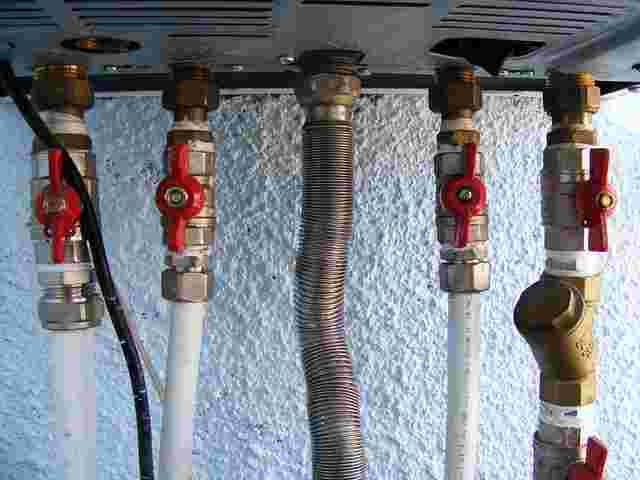
Weatherization Assistance Program
The Weatherization Assistance Program (WAP) is a federal program designed to improve the energy efficiency of low-income households. This program provides grants for homeowners to upgrade or replace their existing heating and cooling systems, windows, roofing, and insulation.
WAP grants may cover the full cost of replacing existing windows with more energy-efficient models. This includes new frames, sashes, and glass. New window frames are usually made from vinyl or wood, while sashes are usually made of aluminum. The new glass will help keep heat in during the winter and out during the summer.
The WAP also offers grants for replacing an old roof with a new one. This can help reduce energy costs by providing better insulation and protection from the elements. New roofs may be constructed from various materials such as asphalt shingles, metal, slate, or tiles.
Replacing old insulation is another way to save energy and money. WAP grants can cover the cost of insulating walls, ceilings, floors, and attics. This will help keep the interior of your home at a comfortable temperature all year round. Different types of insulation include fiberglass, cellulose, and foam.
State and Local Government Programs
In addition to federal grants and programs, many states and local governments provide additional grants and funding for energy efficiency improvements. State and local governments typically provide funding for home insulation grants, as well as heating and cooling upgrades.
For example, the California Home Energy Efficiency Retrofit Program (CHEER) provides grants for home insulation, weatherization, heating and cooling systems, and other energy efficiency upgrades. In addition to providing grants for these types of projects, many states also offer tax credits and rebates for energy-efficient home improvements.
The New York State Energy Research and Development Authority (NYSERDA) offers both grant and loan options for homeowners who are looking to make energy efficiency upgrades. The NYSERDA also provides incentives for renewable energy projects, including solar power installations.
These are just a few examples of state and local government programs that can help you save money on heating and cooling expenses. If you’re looking to upgrade your home’s energy efficiency, make sure to check with your state or local government to find out what kind of grants, loans, and incentives are available in your area.
Federal Tax Credits
When it comes to home energy efficiency and heating grants, you can also look into federal tax credits. Tax credits are a great way to save money on your energy bills and help you stay warm during the winter months.
The Homeowner’s Energy Efficiency Tax Credit is a federal tax credit for individuals who install energy-efficient products in their homes. The credit is 30 percent of the cost of installation and applies to qualifying solar electric systems, solar water heaters, geothermal heat pumps, wind turbines, fuel cells, and other renewable energy products. This tax credit has been extended through 2021 and can be used to offset taxes owed up to a certain amount.
The Residential Renewable Energy Tax Credit is another federal tax credit for homeowners who install renewable energy systems such as solar panels, wind turbines, and geothermal heat pumps. The credit is equal to 30 percent of the system’s cost and can be applied to any federal income tax owed. This credit has also been extended through 2021 and can be used to offset taxes owed up to a certain amount.
By taking advantage of these tax credits, you can significantly reduce your heating costs this winter. Before installing any energy-efficient products in your home, make sure you consult with a qualified tax advisor to ensure that you understand all of the details and requirements associated with these credits.
The Homeowner’s Energy Efficiency Tax Credit
Homeowners looking to save on energy costs can take advantage of the Homeowner’s Energy Efficiency Tax Credit. This tax credit can be used for energy-efficient improvements made to a primary residence, such as new windows, doors, insulation, roofs, HVAC systems, water heaters, and solar panels. Homeowners can receive up to 10% of the cost of the improvement, up to $500 or $50 for individual improvements.
Read- Homeowners Grants For Energy Efficient Windows Replacement
New Oil Furnace Replacement Cost and Options 2026
To qualify for the Homeowner’s Energy Efficiency Tax Credit, the homeowner must have improved between January 1, 2022, and December 31, 2022. The homeowner must have made the improvement to an existing home and must have received certification from the manufacturer that the improvement meets the requirements of the Energy Star program.
Homeowners should note that this tax credit is not available for improvements made to second homes or rentals. In addition, it cannot be used for existing appliances or upgrades, such as adding central air conditioning or replacing existing insulation.
For more information about how to qualify for the Homeowner’s Energy Efficiency Tax Credit, visit the IRS website.
The Residential Renewable Energy Tax Credit
The Residential Renewable Energy Tax Credit is an incentive from the federal government designed to help homeowners make the switch to renewable energy sources. This credit can be applied to the purchase and installation of a qualifying solar electric system, solar water heating system, or small wind energy system. The credit is equal to 30% of the cost of the system, up to a maximum of $2,000 for systems placed in service before December 31, 2022.
To qualify for this credit, your system must be used to heat or cool your home or provide hot water. Additionally, the system must meet certain efficiency requirements as determined by the Internal Revenue Service (IRS).
To receive the Residential Renewable Energy Tax Credit, you will need to file Form 5695 with your annual tax return. You may also be able to claim the credit on an amended return for any of the previous three years. If you are unable to use the full amount of the credit this year, you can carry forward any remaining credit for up to five years.
The Residential Renewable Energy Tax Credit is a great way to save money on your energy costs and help the environment by reducing your carbon footprint. Before making a purchase, it’s important to do some research to make sure you are getting the most out of this credit. You may also want to speak with a tax professional to ensure that you are eligible and get help filing your return.
How to Apply for Heating and Cooling Grants
- Check Eligibility – Verify your income level, household size, and energy needs.
- Find Programs – Look for LIHEAP, WAP, and local state programs in your area.
- Gather Documents – Prepare ID proof, income proof, utility bills, and residence details.
- Submit Application – Apply online or visit a local assistance office.
- Schedule Home Assessment – Some programs require energy audits before approval.
- Receive Approval – Grants may cover bills, repairs, or full system upgrades.
- Complete Upgrades – Approved applicants can proceed with repairs, replacements, or installations.
Frequently Asked Questions (FAQs)
1. What are heating and cooling grants?
Heating and cooling grants are financial assistance programs that help low-income households pay for energy bills, HVAC repairs, and energy-efficient upgrades.
2. Who qualifies for LIHEAP assistance?
Low-income households, seniors, disabled individuals, and families facing energy emergencies may qualify based on income and household size.
3. Can I get a free furnace replacement?
Yes, programs like LIHEAP and WAP may cover furnace repair or replacement if your system is unsafe or inefficient.
4. Are weatherization programs really free?
Yes, eligible households can receive free services like insulation, sealing, and energy upgrades through the Weatherization Assistance Program.
5. How do I apply for energy assistance grants?
You can apply through local community agencies, state energy offices, or online government portals by submitting income proof and utility bills.
6. What documents are required to apply?
Applicants typically need ID proof, income proof, utility bills, and residence details to apply for heating and cooling grants.
7. Do heating and cooling grants cover full system replacement?
Some programs may cover full HVAC system replacement depending on eligibility, funding availability, and system condition.
Expert Verified Information & Trust Signals
Last Updated: May 2026
Reviewed By: Housing & Energy Assistance Experts
- This content is based on official guidelines from federal programs like LIHEAP and the Weatherization Assistance Program (WAP).
- Information is verified using government resources such as the U.S. Department of Energy and the Department of Health and Human Services.
- The article is regularly updated to reflect current 2026 funding, eligibility rules, and program changes.
- All steps and guidance are written in simple language to help low-income households take action easily.
- This page is designed to provide accurate, safe, and actionable financial assistance information for real users.
Conclusion
Heating and cooling grants can provide real financial relief for households struggling with rising energy costs. Programs like LIHEAP, the Weatherization Assistance Program (WAP), and federal tax credits are designed to help you pay utility bills, repair heating systems, and upgrade your home for better energy efficiency.
These programs are not just short-term support—they can help you save money every month while making your home safer and more comfortable. However, funding is limited and often distributed on a first-come, first-served basis, so applying early is very important.
If you are facing high heating or cooling costs, do not wait. Check your eligibility, gather your documents, and apply today. Taking action now can help you reduce your expenses, improve your home, and enjoy year-round comfort without financial stress.

Arthur Pendelton is a senior housing policy researcher and public welfare analyst with over eight years of experience tracking federal, state, and non-profit residential repair programs. He specializes in statutory grant frameworks, including USDA Section 504 Rural Housing, the Department of Energy’s Weatherization Assistance Program (WAP), and municipal HUD Community Development Block Grants (CDBG). Arthur systematically audits Federal Register publications and Title 7/42 CFR regulatory updates to provide low-income homeowners, seniors, and military veterans with accurate, barrier-free application guidance.