
Home repairs can become a serious financial problem when a family is living on a limited income. A leaking roof, unsafe electrical wiring, failed heating system, damaged plumbing, or accessibility problem may need immediate attention, but paying the full repair bill may not be realistic.
Low-income homeowners may have several ways to reduce these costs, including federal housing programs, state and local rehabilitation programs, weatherization services, disaster assistance, and nonprofit repair programs. However, these programs do not all work the same way. Some provide grants, some provide loans, and others pay contractors for specific services instead of giving homeowners cash.
Quick answer: Home repair assistance for low-income families may help pay for essential repairs such as roofing, plumbing, electrical work, heating, accessibility improvements, and energy upgrades. Eligibility depends on household income, homeownership, location, property condition, and the purpose of the program. Some assistance does not require repayment, while other programs use loans or direct repair services.
If you need the broadest overview of federal, state, local, and nonprofit assistance, see Home Repair Grants 2026: Complete Guide to Free Home Repair Assistance. This page focuses specifically on the needs of low-income families so you can determine which type of assistance is most appropriate for your situation.
What Home Repair Assistance Can Low-Income Families Get?
There is no single nationwide program that gives every low-income homeowner a free check for home repairs. Instead, assistance comes through different programs with different eligibility rules and funding purposes.
For example, the Single Family Housing Repair Loans and Grants program (Section 504) is designed for very-low-income homeowners in eligible rural areas. The Weatherization Assistance Program (WAP) focuses on energy efficiency and health and safety. The Community Development Block Grant program (CDBG) and HOME Investment Partnerships Program (HOME) send federal funds to participating states and local governments, which decide how local housing assistance is operated.
| Assistance type | What it may help with | Repayment | Best starting point |
| Direct repair grant | Eligible health and safety repairs | Usually no, but conditions may apply | USDA Section 504 or local housing programs |
| Forgivable or deferred assistance | Rehabilitation of an owner-occupied home | Depends on local rules | City or county housing department |
| Weatherization services | Insulation, air sealing, energy and health-safety improvements | Usually no direct repayment | State or local WAP provider |
| Low-interest repair loan | Repairs, modernization, or safety work | Yes | USDA Section 504 or participating lender |
| Disaster repair assistance | Uninsured disaster-related damage | Usually assistance rather than a standard repair loan | FEMA or disaster recovery agency |
| Nonprofit repair help | Safety, accessibility, weatherization, and critical repairs | Depends on organization | Local nonprofit or repair network |
Important: Do not assume that the word “government” means “free grant.” HUD HOME and CDBG are funding sources that local governments use for housing activities. WAP generally provides weatherization services rather than a cash payment. FHA Title I is a loan. Always read the individual program rules before signing an agreement.
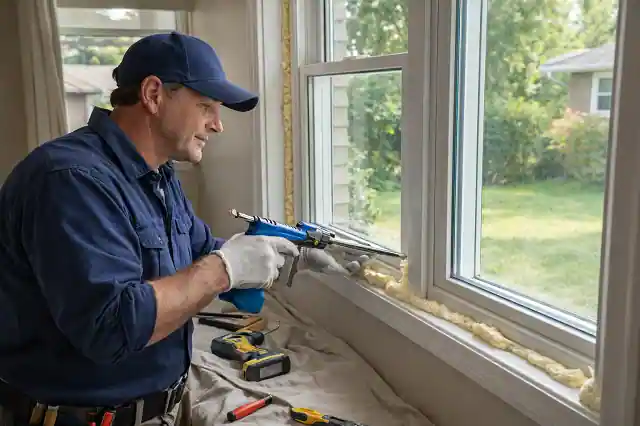
Who Qualifies for Low-Income Home Repair Assistance?
Eligibility depends on the program. Income is important, but it is rarely the only requirement.
Homeowners should also consider whether they occupy the property, whether the home is in an eligible geographic area, whether the repair fits the program’s purpose, and whether the household meets additional requirements such as age or inability to obtain affordable credit.
For a broader eligibility explanation covering income, ownership, location, property condition, and repair needs, see Who Qualifies for Free Home Repair Grants.
| Eligibility factor | Why it matters |
| Household income | Many programs establish maximum income limits or target low- and very-low-income households. |
| Homeownership | Many owner-occupied repair programs require the applicant to own the property. |
| Primary residence | Owner-occupied programs generally focus on the home where the applicant lives. |
| Property location | Some programs are limited to eligible rural areas, cities, counties, states, or designated disaster areas. |
| Repair purpose | The proposed work may need to address health, safety, accessibility, energy efficiency, or disaster damage. |
| Property condition | An inspection may be required to establish that the repair is necessary. |
| Age or special circumstances | Some programs give specific assistance to older homeowners or households with other qualifying circumstances. |
| Credit availability | USDA Section 504 requires applicants to be unable to obtain affordable credit elsewhere. |
How Income Limits Actually Work
One of the biggest mistakes homeowners make is assuming that every program uses the same income limit. It does not.
The U.S. Department of Housing and Urban Development (HUD) publishes income-limit information used by many housing programs. HUD’s limits vary by geographic area and household size, and different programs can use different definitions and thresholds.
For example, HOME-funded homeowner rehabilitation generally serves low-income households and uses HUD income requirements. CDBG has its own low- and moderate-income benefit requirements. USDA Section 504 instead uses USDA very-low-income limits tied to the applicant’s county.
Do not use a generic “30%, 50%, or 80% AMI” number to decide whether you qualify. Those percentages can be useful for understanding housing terminology, but your actual eligibility must be checked against the specific program, location, household size, and income calculation method.
USDA Section 504 Home Repair Assistance
For a very-low-income homeowner in an eligible rural area, the Single Family Housing Repair Loans and Grants program (Section 504) is one of the most important federal options to investigate.
The program provides loans to very-low-income homeowners for repairs, improvements, modernization, or removal of health and safety hazards. Grants are available to qualifying homeowners age 62 or older who cannot afford a loan and need funds to remove health and safety hazards.
| Section 504 feature | Current program information |
| Loan maximum | Up to $40,000 |
| Grant maximum | Up to $10,000 |
| Combined assistance | Up to $50,000 in qualifying circumstances |
| Loan interest rate | Fixed at 1% |
| Loan term | Up to 20 years |
| Grant age requirement | Generally 62 or older |
| Property requirement | Eligible rural property and owner occupancy requirements apply |
| Grant purpose | Removal of health and safety hazards |
USDA also states that grants can have repayment conditions. For example, a grant may have to be repaid if the property is sold within three years. The program also has lifetime grant limits, so homeowners should confirm the current terms with their USDA Rural Development office before applying.
Warning: Do not advertise the Section 504 grant as unconditional “free money.” A qualifying grant does not have the same repayment structure as a loan, but program conditions can create repayment obligations. Verify the current rules before describing the assistance as completely free.
How to Check USDA Rural Eligibility
Use the official USDA Income and Property Eligibility Site (USDA Eligibility Site) to check whether the property may be located in an eligible area. The online map is only an initial screening tool; USDA makes the final determination after reviewing an application.
If you are a senior homeowner, you can also review the more specialized Section 504 Home Repair Grants for Seniors article for additional information about this program.
HUD HOME Assistance for Low-Income Homeowners
The HOME Investment Partnerships Program (HOME) is a federal block-grant program administered by the U.S. Department of Housing and Urban Development (HUD).
HOME funds are awarded to participating states and local jurisdictions. These jurisdictions can use the funds for eligible affordable-housing activities, including rehabilitation of housing for qualifying homeowners.
This distinction matters: homeowners normally do not apply to HUD for a nationwide “HOME repair grant.” Instead, they should look for a participating city, county, state, or local housing organization operating a HOME-funded rehabilitation program.
| HOME factor | What homeowners should know |
| Federal agency | U.S. Department of Housing and Urban Development |
| Funding recipient | States and participating local jurisdictions |
| Possible homeowner use | Eligible rehabilitation of owner-occupied housing |
| Income focus | Low-income households under applicable HOME requirements |
| Application location | Local or state housing agency administering the activity |
| Funding form | May be structured as grants, loans, deferred loans, or other permitted assistance depending on the local program |
Best strategy: Search your city or county housing department for “owner-occupied rehabilitation,” “housing rehabilitation,” “home repair assistance,” or “HOME-funded rehabilitation.” The local program’s rules matter more than the federal program name.
Weatherization Assistance for Low-Income Families
The Weatherization Assistance Program (WAP) is different from a traditional repair grant. It helps eligible low-income households improve energy efficiency while addressing health and safety concerns.
The U.S. Department of Energy (DOE) states that WAP reduces energy costs by improving the efficiency of low-income homes. DOE reports that the program provides weatherization services to roughly tens of thousands of homes each year and that participating households save an average of $372 or more annually according to its national evaluation.
WAP eligibility can generally include households at or below 200% of federal poverty guidelines under DOE rules. States may also use other permitted eligibility criteria, including certain state-median-income standards. Supplemental Security Income recipients may also qualify under DOE guidelines.
| Weatherization improvement | Why it may help a low-income household |
| Insulation | Reduces unwanted heat loss and heat gain. |
| Air sealing | Reduces drafts and uncontrolled air leakage. |
| Heating improvements | Can improve safety and efficiency where permitted by the local program. |
| Ventilation and health-safety measures | Can address problems identified during the weatherization process. |
| Energy assessment | Helps determine which improvements provide the greatest benefit. |
Important distinction: WAP normally does not hand the homeowner a cash grant. A local provider evaluates the home and arranges eligible weatherization work. Homeowners should contact their state weatherization administrator or local provider to apply.
If your primary problem is insulation or energy loss, you can also explore attic insulation assistance for low-income homeowners for repair-specific information.
CDBG Home Repair Programs Through Cities and Counties
The Community Development Block Grant program (CDBG) provides annual federal funding to states, cities, and counties for community development activities. Housing rehabilitation can be one eligible use, but the local government decides how its CDBG funds are allocated.
HUD states that, over a one-, two-, or three-year period selected by the grantee, at least 70% of CDBG funds must benefit low- and moderate-income persons. HUD does not provide CDBG assistance directly to individual homeowners. Applicants must contact the local government or organization administering the local activity.
| CDBG question | Answer |
| Does HUD send a repair check directly to homeowners? | No. CDBG funds are awarded to eligible governments and administered locally. |
| Can CDBG support housing rehabilitation? | Yes, eligible local programs can use CDBG funding for qualifying housing activities. |
| Who sets the local rules? | The state, city, county, or other eligible grantee administering the program. |
| Can low-income homeowners qualify? | Potentially, if the local program’s eligibility and property requirements are met. |
| Where should homeowners apply? | At the local housing, community development, or rehabilitation office. |
This is why a local search can be more useful than searching only for federal grants. A city may have an owner-occupied rehabilitation program funded through CDBG, HOME, local housing funds, or a combination of sources.
State and Local Home Repair Programs
State, county, and city programs can be especially important for low-income homeowners because local agencies can tailor assistance to local housing conditions and funding priorities.
Common program names include owner-occupied rehabilitation, emergency repair, housing rehabilitation, critical home repair, home preservation, weatherization, accessibility modification, and housing rehabilitation loans or grants.
For a broader state-by-state starting point, see State Home Repair Grants and Assistance Programs.
| Where to look | What to search for |
| City housing department | Owner-occupied rehabilitation, emergency repair, housing preservation |
| County community development office | CDBG homeowner rehabilitation, repair grants, critical repair |
| State housing agency | Home repair grants, rehabilitation assistance, housing preservation |
| State energy office | Weatherization and energy-efficiency assistance |
| Local community action agency | Weatherization and energy assistance |
| Tribal housing organization | Housing rehabilitation and home preservation programs where applicable |
Example: Florida
Florida homeowners should check state, county, and city programs rather than assuming that one statewide grant applies everywhere. Local housing programs can have different income limits, property standards, application windows, and repair priorities.
For Florida-specific options, see Florida Home Repair Grants for Low-Income Families.
Emergency and Disaster Home Repair Assistance
A low-income family facing an unsafe home should not wait for a normal rehabilitation program if the repair is connected to a disaster or creates an immediate health or safety problem.
Local emergency repair programs may address serious roof leaks, failed heating, dangerous electrical conditions, broken plumbing, structural problems, or other urgent conditions. Availability depends heavily on the location and funding source.
For a dedicated explanation of urgent repair assistance, see Emergency Home Repair Grants and Urgent Repair Assistance.
FEMA Disaster Repair Assistance
The Federal Emergency Management Agency (FEMA) may provide Home Repair Assistance after qualifying federally declared disasters. FEMA’s current guidance describes assistance for eligible owner-occupied primary residences damaged by a disaster when the home is not safe, sanitary, or functional and the loss is not covered by insurance or other sources.
FEMA assistance is not a general home maintenance program. A homeowner cannot normally use FEMA simply because an old roof, plumbing system, or electrical panel needs replacement. The repair generally must be connected to the qualifying disaster and meet FEMA’s eligibility rules.
Warning for disaster survivors: Do not start assuming that every repair will be reimbursed. Insurance, duplication-of-benefits rules, inspections, disaster declarations, ownership, occupancy, and the type of damage can all affect eligibility. Keep photographs, estimates, receipts, insurance documents, and repair records.
Nonprofit Home Repair Help for Low-Income Families
Government funding is not the only source of assistance. Nonprofit organizations may provide labor, materials, accessibility modifications, critical repairs, or referrals to local programs.
Habitat for Humanity operates local programs that may include home repair services, while Rebuilding Together works through local affiliates and partners on critical home repairs and safety improvements. Availability and eligibility vary by location.
For a broader list of nonprofit options, see Nonprofit Home Repair Grants and Assistance for Low-Income Homes.
| Nonprofit option | Potential help | What to verify |
| Habitat for Humanity | Local repair and home preservation programs | Local affiliate service area and homeowner requirements |
| Rebuilding Together | Critical repairs, safety improvements, and accessibility work through local affiliates | Local affiliate availability and qualifying household criteria |
| Community housing nonprofits | Repair referrals, rehabilitation, weatherization, or direct services | Funding source, service area, income limits, and repair scope |
| Community action organizations | Weatherization and related household assistance | Local eligibility and program availability |
Which Home Repairs Are Most Likely to Receive Assistance?
Low-income repair programs usually prioritize work that protects health, safety, habitability, accessibility, or energy efficiency. Cosmetic remodeling is generally a weaker fit.
| Repair | Potential assistance path | Typical reason for priority |
| Roof repair | Housing rehabilitation, USDA, local emergency programs, disaster assistance | Prevents water intrusion and protects the structure |
| Electrical repairs | Housing rehabilitation, Section 504, local safety programs | Addresses fire and electrical safety hazards |
| Plumbing repairs | Housing rehabilitation and local repair programs | Protects sanitation and habitability |
| Heating repairs | Weatherization, local repair programs, disaster assistance where applicable | Protects health and safety during extreme weather |
| Insulation and air sealing | WAP and eligible energy programs | Reduces energy waste and improves comfort |
| Windows and doors | Weatherization or rehabilitation programs when eligible | Energy efficiency, safety, or water-intrusion concerns |
| Accessibility modifications | Local rehabilitation, nonprofit, USDA or disaster-related assistance where eligible | Improves safe access and independent living |
| Structural repairs | Housing rehabilitation or disaster programs | Protects the safety and integrity of the home |
If the repair is very specific, use a repair-focused resource instead of treating every project as a general grant application. For example, homeowners can review roof repair and replacement assistance or window replacement assistance for low-income homeowners.
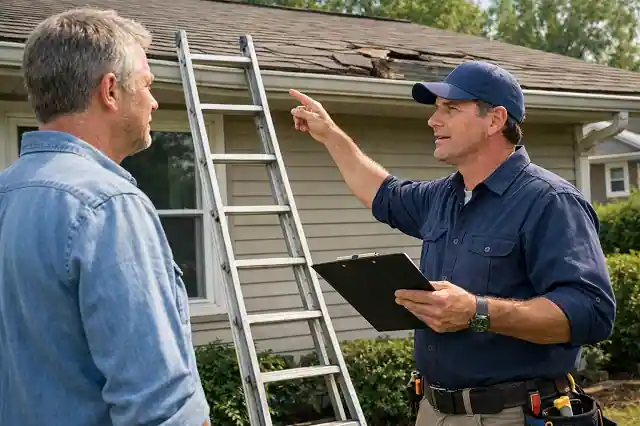
Documents to Prepare Before Applying
Having documents ready can prevent unnecessary delays. The exact list varies by program, so do not submit sensitive documents unless the legitimate administering agency requests them through an appropriate application process.
Low-Income Home Repair Application Checklist
- Proof of identity
- Proof of homeownership
- Proof that the property is your primary residence, when required
- Recent income documentation for household members
- Tax or benefit records when requested
- Property tax information, if required
- Mortgage information, if applicable
- Repair photographs
- Contractor estimates or inspection reports when requested
- Insurance information for disaster-related repairs
- Documentation of age or other qualifying circumstances when applicable
- Any program-specific application forms
Privacy note: Never send your Social Security number, bank information, or other sensitive documents to an unverified website, social-media account, or person promising a guaranteed grant. Start with the official agency or a verified local administering organization.
How to Apply for Home Repair Assistance
The most effective application strategy is to match the repair and household circumstances to the correct program before submitting paperwork.
Step 1: Identify the Exact Repair
Write down what needs to be repaired and why it is necessary. Separate health and safety problems from cosmetic improvements.
Step 2: Determine Your Household Income
Gather current income information for the household and check the specific program’s income methodology. Do not rely on a generic national income number.
Step 3: Check Property and Location Eligibility
Confirm whether the home is owner-occupied, whether it is in an eligible rural area or participating jurisdiction, and whether the program accepts your property type.
Step 4: Match the Repair to the Program
Use USDA Section 504 for eligible rural very-low-income repair needs, WAP for eligible weatherization work, local HOME or CDBG programs for qualifying rehabilitation, and disaster assistance for qualifying disaster damage.
Step 5: Contact the Administering Agency
Ask the agency whether applications are open, what documents are required, whether there is a waiting list, and whether the repair must be inspected before work begins.
Step 6: Submit a Complete Application
Provide the requested information accurately. If the agency requests clarification or additional documents, respond as quickly as practical.
Step 7: Wait for Approval Before Starting Funded Work
Do not assume that repairs completed before approval will automatically be reimbursed. Some programs have strict rules about when work may begin and which contractors can perform the work.
Application strategy: Apply based on fit, not simply the largest advertised funding amount. A smaller program that matches your income, location, and repair need can be more useful than a large program for which you do not qualify.
How Low-Income Families Can Improve Their Chances of Approval
No legitimate program can guarantee approval. However, applicants can reduce avoidable problems by preparing carefully.
Before You Submit the Application
- Confirm the program serves homeowners rather than renters when applicable.
- Check the current income limit for your household size and location.
- Confirm that your repair is an eligible expense.
- Check whether the property must be in a rural or designated area.
- Prepare ownership and occupancy documents.
- Keep clear photographs of the repair problem.
- Obtain estimates only when the program requests them or permits them.
- Check whether an inspection is required.
- Ask whether the program requires an approved contractor.
- Ask whether assistance is a grant, loan, deferred loan, forgivable loan, or direct service.
- Read every repayment, occupancy, lien, and property-sale condition.
Common Mistakes to Avoid
Do not apply for a general home improvement loan when your goal is a grant without first checking whether grant or rehabilitation assistance is available. Do not assume that a program advertised online is available in every state. Do not use outdated income limits. And do not begin funded work before confirming the program’s rules.
Most importantly, avoid websites that promise guaranteed government money in exchange for an upfront fee. Legitimate government programs have eligibility requirements and cannot guarantee approval simply because someone submits an application.
Important 2026 Statistics and Program Facts
Official federal data helps explain why energy and housing repair assistance matter for low-income households.
| Statistic or fact | What it shows |
| WAP serves roughly tens of thousands of homes each year using DOE funds | The federal weatherization system operates through state and local providers rather than a single nationwide cash-grant application. |
| WAP households save an average of $372 or more annually according to DOE’s national evaluation | Energy-efficiency improvements can produce ongoing household savings. |
| Low-income households typically spend a much larger share of income on energy than other households | Weatherization can be particularly valuable for households with high energy burdens. |
| HUD publishes income limits by geographic area and household size | There is no single nationwide dollar amount that determines eligibility for every housing program. |
| CDBG requires at least 70% of funds to benefit low- and moderate-income persons over the applicable program period | Local CDBG housing programs are designed around community-level income targeting. |
| USDA Section 504 currently lists loans up to $40,000 and grants up to $10,000 | Eligible very-low-income rural homeowners may have both loan and grant pathways, subject to program rules. |
These figures should be treated as program facts rather than promises of what an individual homeowner will receive. Actual eligibility, funding, service levels, and award amounts can vary by program and location.
Frequently Asked Questions
Can low-income families get free money for home repairs?
Some eligible homeowners can receive assistance that does not require repayment, but there is no universal federal home repair grant for every low-income family. Some programs provide grants, while others provide loans, deferred assistance, or direct repair services. Eligibility depends on the specific program.
What income qualifies as low income for home repair assistance?
There is no single income number for every program. HUD programs may use area-based income limits, USDA Section 504 uses USDA very-low-income limits, and WAP uses its own permitted income eligibility rules. Check the current limit for your location, household size, and program.
Can I get home repair help if I live in a city?
Yes. USDA Section 504 is focused on eligible rural properties, but city and county housing programs may use HOME, CDBG, local funds, or other sources to assist qualifying homeowners. Contact your local housing or community development department.
Does Weatherization Assistance give homeowners cash?
Usually not. WAP generally provides weatherization services through state and local providers. Eligible work can include energy-efficiency improvements and health and safety measures identified during the program process.
Can seniors get additional home repair assistance?
Some programs provide special assistance for older homeowners. USDA Section 504, for example, includes grants for qualifying very-low-income homeowners age 62 or older who need to remove health and safety hazards. See the dedicated home repair assistance for seniors resource for additional options.
Can I get emergency help for a leaking roof or unsafe electrical system?
Possibly. Local emergency repair programs may prioritize serious health and safety problems. If the damage resulted from a qualifying declared disaster, FEMA or another disaster recovery program may also provide assistance. Eligibility and application rules vary.
Do I have to repay a home repair grant?
Not necessarily, but you must read the program conditions. Some grants have occupancy or property-sale requirements. USDA Section 504, for example, states that grants can be subject to repayment if the property is sold within a specified period. Loans, of course, require repayment under their loan terms.
Why This Information Is Trusted
Last Updated: August 2026
Reviewed By: Housing Assistance & Grant Research Team
- Official program verification: Federal program descriptions and eligibility information were checked against USDA Rural Development, HUD, DOE, and FEMA resources.
- Clear program distinctions: Grants, loans, weatherization services, local rehabilitation programs, and disaster assistance are described separately so readers are not led to believe that every program provides free cash.
- Income accuracy: The article avoids using one generic income threshold for all programs and directs readers to program-specific income limits.
- Local administration: HOME, CDBG, WAP, and similar programs are explained according to their actual state or local administration structure.
- Practical application guidance: The checklist, document section, program-matching process, and warnings are designed to help low-income homeowners avoid common application mistakes.
Official-source reminder: Program rules, funding availability, income limits, application windows, and local priorities can change. Before applying, confirm the current requirements directly with the administering government agency or verified nonprofit.
Final Thoughts
Low-income homeowners have several potential paths to home repair assistance, but the best option depends on the household’s income, location, property, and repair need.
For eligible rural homeowners, USDA Section 504 may be a major option. For energy-related problems, WAP can provide weatherization services. For owner-occupied rehabilitation, local HOME and CDBG programs may be important. Disaster survivors may have access to FEMA or state disaster-recovery assistance, while nonprofits can provide additional repair and accessibility support.
The most important step is to stop looking for one universal “free home repair grant” and instead match the household and repair to the program’s actual eligibility rules.
Start by documenting the repair, checking your household income, confirming property eligibility, identifying the correct administering agency, and preparing your documents. If one program is not a fit, look for another legitimate program rather than paying a company that promises guaranteed government funding.

Arthur Pendelton is a senior housing policy researcher and public welfare analyst with over eight years of experience tracking federal, state, and non-profit residential repair programs. He specializes in statutory grant frameworks, including USDA Section 504 Rural Housing, the Department of Energy’s Weatherization Assistance Program (WAP), and municipal HUD Community Development Block Grants (CDBG). Arthur systematically audits Federal Register publications and Title 7/42 CFR regulatory updates to provide low-income homeowners, seniors, and military veterans with accurate, barrier-free application guidance.
2 thoughts on “Home Repair Grants For Low-Income Families-2026 Updated”