
Home repair grants in 2026 can help eligible homeowners pay for essential repairs, safety improvements, accessibility modifications, and energy-efficiency upgrades. Funding may come from federal, state, local, or nonprofit programs, and eligibility depends on factors such as income, location, homeownership, age, disability, veteran status, and the type of repair needed.
Most programs do not provide unrestricted cash. Instead, assistance is usually tied to an approved repair, property, income requirement, or program purpose. Some programs provide grants, while others offer low-interest or potentially forgivable loans.
This guide explains how home repair assistance works, where homeowners can look for funding, how eligibility is determined, and how to apply. For specialized help, use the linked guides for seniors, low-income families, disabled homeowners, veterans, rural homeowners, emergency repairs, and individual states.
What Are Home Repair Grants?
Home repair grants are financial assistance programs that help homeowners pay for necessary home repairs and improvements. These programs are usually funded by government agencies, housing organizations, or nonprofit groups that aim to improve housing conditions.
Unlike traditional home improvement loans, grants typically do not need to be repaid as long as the homeowner follows the program rules. This makes grants extremely valuable for families who cannot afford large repair expenses.
Many homes require repairs that are essential for health and safety. For example, a leaking roof can cause water damage and mold growth, broken plumbing can create sanitation problems, and faulty wiring can lead to fire hazards. Home repair grants help address these problems so homeowners can maintain safe living conditions.
Many grant programs focus on helping specific groups of homeowners who may have limited financial resources. These groups often include:
- Low-income homeowners
- Senior citizens
- Veterans and disabled veterans
- People with disabilities
- Rural homeowners
- Families affected by disasters
Home repair grants may be offered through several sources, including:
- Federal government housing programs
- State housing assistance programs
- Local housing authorities and community agencies
- Nonprofit housing organizations
- Community development initiatives
The main goal of these programs is to make sure homes remain safe, healthy, and energy efficient. By supporting repairs and improvements, these grants help homeowners protect their property and improve their quality of life.
Why Home Repair Grants Are Important
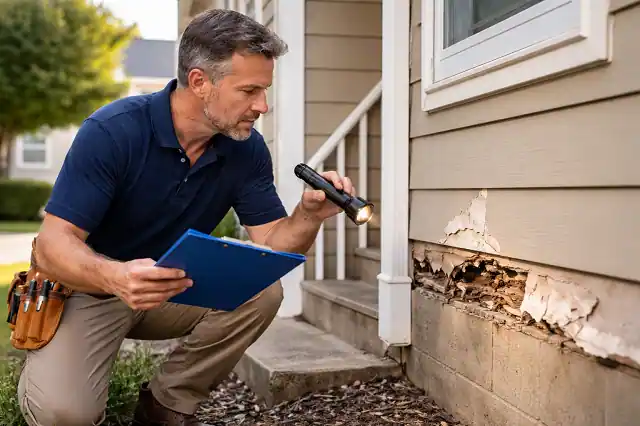
Housing repairs are a major challenge for many homeowners across the country. As homes age, the need for repairs and upgrades increases. Roofs, plumbing systems, electrical wiring, and heating systems eventually wear out and must be repaired or replaced.
Many older homes require ongoing maintenance and rehabilitation as roofing, plumbing, electrical, heating, and other building systems age. Repair needs can become more expensive when problems are left unresolved.
Unfortunately, repair costs can be very high. A roof replacement can cost thousands of dollars, and major plumbing or heating system repairs can also be expensive. For many households, these costs are simply not affordable.
Because of these financial challenges, many homeowners delay repairs for years. When repairs are postponed, problems can become more severe and more costly to fix.
Home repair grants help solve this problem by providing financial assistance for critical home repairs. These programs allow homeowners to address problems early before they become more dangerous or expensive.
Home repair grant programs help homeowners:
- Fix unsafe housing conditions
- Improve home safety for families
- Prevent structural damage to properties
- Increase energy efficiency and reduce utility bills
Recover from disasters such as storms or floods
By supporting home repairs, these programs also benefit entire communities. Well-maintained homes help neighborhoods remain attractive, stable, and safe for residents.
Who May Qualify for Home Repair Assistance?
Eligibility for home repair assistance depends on the program, location, household circumstances, and type of repair needed. Many programs consider factors such as household income, homeownership, primary residence status, property condition, location, age, disability, veteran status, or rural eligibility. However, there is no single qualification rule that applies to every home repair program.
If you want to determine whether you may qualify, our detailed guide to who qualifies for home repair grants and the eligibility requirements explains the major factors programs may consider, including income, homeownership, property eligibility, location, repair type, and special circumstances.
For homeowners who already know they belong to a particular group, you can also explore our guides for low-income families, seniors, veterans, disabled homeowners, and rural homeowners.
What Repairs May Be Covered?
Home repair assistance programs may cover different types of essential repairs depending on the program’s purpose and the homeowner’s eligibility. Common projects can include roof repairs, window and door improvements, plumbing and electrical work, heating or energy-efficiency upgrades, and accessibility modifications.
Programs do not automatically pay for every type of repair. The work usually must meet the program’s health, safety, accessibility, energy-efficiency, disaster-recovery, or housing-rehabilitation requirements.
Because available assistance varies by location and repair type, homeowners should identify the repair they need and then compare programs based on eligibility, funding purpose, and application requirements. Our Home Repair Program Finder can help you determine where to start.
Major Federal Home Repair Grant Programs in 2026
Several federal programs help homeowners repair unsafe housing conditions. These programs are funded by national housing initiatives and administered through local or state agencies.
Federal housing programs play a major role in improving housing conditions for low-income families across the country.
USDA Section 504 Home Repair Program
The USDA Section 504 Home Repair Grant Program is one of the most well-known housing repair assistance programs in the United States. It is designed to help very low-income homeowners who live in rural areas.
The program provides financial assistance for repairs that improve health and safety.
This program may offer:
- Grants for essential home repairs
- Low-interest loans for larger improvement projects
- Funding for removing health and safety hazards
Older homeowners may qualify for certain home repair assistance programs, depending on age, income, location, property requirements, and the type of repair needed. For a detailed overview, see our home repair grants for senior citizens guide.
HUD Housing Repair Assistance Programs
The U.S. Department of Housing and Urban Development supports housing repair programs across the country. These programs help local governments improve housing conditions in their communities.
Two important programs supported by HUD include the Community Development Block Grant (CDBG) and the HOME Investment Partnerships Program.
Community Development Block Grants (CDBG)
The Community Development Block Grant program provides funding to cities and counties to improve housing and neighborhood conditions.
Local governments may use CDBG funding for:
- Housing rehabilitation projects
- Home safety improvements
- Accessibility upgrades for disabled homeowners
- Community housing improvements
Because these programs are managed locally, available services may vary from one community to another.
HOME Investment Partnerships Program
The HOME Investment Partnerships Program helps state and local governments fund affordable housing projects.
Some of these funds are used for home repairs and improvements that help low-income homeowners maintain safe living conditions.
Local housing agencies usually administer these programs and determine eligibility requirements.
Weatherization Assistance Program
The Weatherization Assistance Program focuses on improving energy efficiency in homes. This program helps homeowners reduce energy costs and improve indoor comfort.
Weatherization programs may provide assistance for:
- Insulation installation
- Air sealing and draft reduction
- Heating system upgrades
- Energy efficiency home improvements
These upgrades can help homeowners lower their energy bills while also improving indoor comfort during extreme weather.
Nonprofit Organizations That Offer Home Repair Assistance
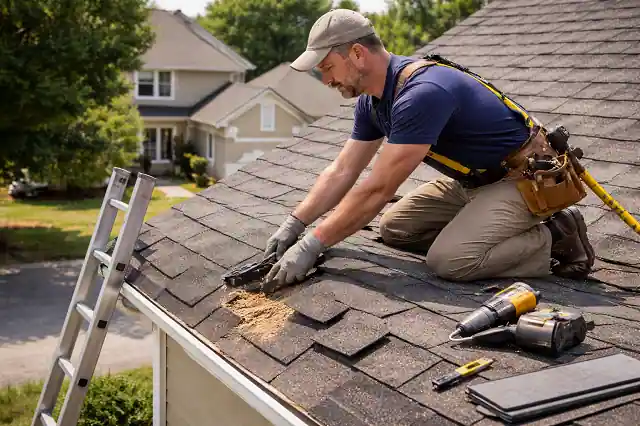
In addition to government programs, nonprofit organizations provide important support for homeowners who need help with repairs.
Read- Non-Profit Organizations Assistance For Window Replacement
Many nonprofit groups focus on helping vulnerable communities maintain safe housing conditions.
Habitat for Humanity Repair Programs
Habitat for Humanity is widely known for building homes for families in need. However, the organization also offers repair programs that help homeowners fix critical problems in their homes.
Habitat repair programs may assist with:
- Roof repairs
- Structural foundation repairs
- Exterior home improvements
- Accessibility upgrades
Many of these projects are completed with the help of volunteers, which helps reduce the cost of repairs.
Rebuilding Together
Rebuilding Together is another nonprofit organization that helps homeowners repair unsafe housing conditions.
This organization focuses on helping elderly homeowners, disabled individuals, and low-income families.
Volunteers often complete projects such as:
- Safety repairs
- Accessibility upgrades
- Structural improvements
These programs help homeowners remain safely in their homes.
Emergency Home Repair Grants
Some home repairs are required after disasters such as floods, hurricanes, fires, or severe storms. In these situations, emergency home repair programs may provide financial assistance.
FEMA Disaster Assistance
The Federal Emergency Management Agency provides disaster assistance to eligible homeowners after certain federally declared disasters.
Homeowners may receive financial help for:
- Emergency home repairs
- Structural damage repairs
- Temporary housing needs
FEMA assistance is usually available after the federal government declares a disaster area.
State Disaster Recovery Programs
Many states operate disaster recovery programs that help homeowners rebuild or repair homes after major events.
These programs may provide assistance for:
- Flood damage repairs
- Storm damage repairs
- Fire damage restoration
State programs often work together with federal disaster relief programs to support affected communities.
Home Repair Grants vs Home Repair Loans
Homeowners sometimes confuse grants with other types of housing assistance. Understanding the differences between these options can help homeowners make better decisions.
Home Repair Grants
Home repair grants usually provide financial assistance that does not need to be repaid.
These programs are often designed for low-income homeowners who cannot afford necessary repairs.
Home Repair Loans
Home repair loans provide funding that must be repaid over time. Some programs offer low-interest loans that make repairs more affordable.
Loans may be used for larger renovation projects.
Forgivable Loans
Some programs provide loans that may be forgiven if the homeowner meets certain requirements. For example, the homeowner may need to remain in the property for a specific number of years.
If the conditions are met, the loan may not need to be repaid.
Average Home Repair Costs in 2026
Understanding typical repair costs helps homeowners estimate how much financial assistance they may need.
Average repair costs may include:
Roof replacement
$7,000 – $15,000
Window replacement
$400 – $1,200 per window
Furnace replacement
$3,000 – $7,500
HVAC replacement
$5,000 – $12,000
Plumbing repairs
$1,000 – $5,000
Bathroom accessibility upgrades
$2,500 – $15,000
Because these repairs can be expensive, many homeowners rely on grant programs to reduce the financial burden.
How to Apply for Home Repair Grants
The application process usually involves checking eligibility, identifying the correct agency, gathering proof of income and homeownership, obtaining repair estimates, submitting the application, and completing any required property inspection. Requirements vary by program.
For a detailed step-by-step application process, required documents, common mistakes, and ways to improve your application, read our guide to applying for home repair grants.
Where to Apply for Home Repair Grants
Homeowners may find repair assistance through USDA Rural Development, HUD-funded local housing programs, state housing agencies, local governments, tribal programs, utilities, and nonprofit organizations. The correct starting point depends on your location, income, household situation, and repair needs.
If you are unsure which type of program to investigate first, use our Home Repair Program Finder to identify the most appropriate starting point.
Home Repair Grants by State
Many home repair programs are administered at the state, county, city, or local level. Funding and eligibility can differ significantly between locations.
Use our state home repair grants guide to find state and local assistance options and then review the detailed guide for your state.
Tips to Improve Your Chances of Getting Approved
Applying for housing assistance can be competitive because many programs have limited funding.
Homeowners can improve their chances of approval by following these tips:
- Apply to multiple programs
- Submit complete documentation
- Contact housing agencies early
- Work with licensed contractors
- Apply when new funding becomes available
Early applications often have a better chance of receiving funding.
Frequently Asked Questions
Are home repair grants really free money?
Most home repair grants do not need to be repaid if homeowners follow program rules.
Can low-income homeowners qualify for repair grants?
Yes. Many programs are designed specifically to help low-income households repair unsafe housing conditions.
Are roof replacement grants available?
Yes. Many housing repair programs cover roof replacement when the roof poses safety risks.
Can seniors receive home repair grants?
Yes. Many programs provide special assistance for senior homeowners.
How long does approval take?
Approval timelines vary depending on the program and funding availability.
Do grants cover essential repairs?
Home repair grants help address problems so homeowners can maintain safe living conditions.
Who provides home repair grants?
Government agencies, state housing departments, local communities, and nonprofit organizations provide these grants to help homeowners maintain safe living conditions.
Why This Guide Is Trustworthy
Last Updated: August 2026
Reviewed By: Housing Assistance Research Team
- This guide is based on verified housing assistance programs from federal, state, and nonprofit sources.
- All information is written in simple language to help homeowners clearly understand eligibility and application steps.
- Content is regularly updated to reflect 2026 grant programs and funding availability.
- Information focuses on real homeowner needs such as safety repairs, energy efficiency, and accessibility improvements.
- This article connects readers with official resources and trusted housing agencies for accurate guidance.
Final Thoughts
Home repairs can be expensive and stressful, especially when unexpected damage occurs. However, many home repair grants and assistance programs are available in 2026 to help homeowners manage these costs.
Federal agencies, state governments, local housing departments, and nonprofit organizations all provide programs that support homeowners who need help repairing their homes.
By researching available programs, gathering the necessary documents, and applying early, homeowners can increase their chances of receiving financial assistance.
Home repair grants help families maintain safe living conditions, improve energy efficiency, and protect the long-term value of their homes.

Arthur Pendelton is a senior housing policy researcher and public welfare analyst with over eight years of experience tracking federal, state, and non-profit residential repair programs. He specializes in statutory grant frameworks, including USDA Section 504 Rural Housing, the Department of Energy’s Weatherization Assistance Program (WAP), and municipal HUD Community Development Block Grants (CDBG). Arthur systematically audits Federal Register publications and Title 7/42 CFR regulatory updates to provide low-income homeowners, seniors, and military veterans with accurate, barrier-free application guidance.
3 thoughts on “Free Home Repair Grants 2026: Federal, State and Local Programs”