
Owning a home is one of the biggest investments many families make. However, keeping a home safe and in good condition can become expensive over time. Problems such as roof leaks, broken windows, damaged plumbing, old electrical wiring, and poor insulation can make a home unsafe and uncomfortable. These repairs can cost thousands of dollars, which many homeowners cannot easily afford.
Fortunately, several home improvement grants for homeowners are available to help cover the cost of repairs and upgrades. These programs are designed to help homeowners maintain safe and livable homes without taking on large amounts of debt. Unlike loans, government home improvement grants usually do not need to be repaid if the homeowner meets the program requirements.
Many of these programs are offered through government housing assistance programs, local housing agencies, and nonprofit organizations. These programs provide housing rehabilitation grants, residential renovation grants, and home repair assistance programs that help homeowners fix essential problems in their homes.
In 2026, many grant programs are available to help homeowners with improvements such as:
- Roof repair or roof replacement
- Plumbing and electrical system upgrades
- Window and door replacement
- Heating and cooling system repairs
- Insulation and energy efficiency improvements
- Accessibility modifications for seniors and disabled residents
These programs are part of broader housing repair funding programs and property improvement grants designed to improve housing safety, reduce energy costs, and support communities.
This complete guide explains everything homeowners need to know about home improvement grants for low-income homeowners in 2026, including eligibility requirements, major federal and local programs, and how to apply for housing repair assistance.
This guide is based on updated information from major housing assistance programs such as:
- USDA Rural Development housing repair programs
- HUD housing rehabilitation grants
- Department of Energy Weatherization Assistance Program
- FEMA disaster housing assistance
- Department of Veterans Affairs home adaptation grants
By understanding these programs, homeowners can discover affordable home improvement programs and housing upgrade financial assistance that may help them repair or improve their homes.
Home improvement grants for homeowners in 2026 are financial assistance programs that help pay for essential repairs such as roof replacement, plumbing upgrades, electrical fixes, and energy-efficient improvements. These grants are usually offered by federal programs like USDA Section 504, HUD housing programs, Weatherization Assistance Program, and FEMA disaster assistance. Most grants do not need to be repaid and are designed for low-income homeowners, seniors, disabled individuals, and rural residents who need help maintaining safe and livable homes.
What Are Home Improvement Grants for Homeowners?
Home improvement grants for homeowners are financial assistance programs that help homeowners pay for repairs, upgrades, or renovations that improve the safety and quality of their homes. These grants are part of broader government housing repair funding and homeowner financial assistance programs.
Unlike traditional loans, most grants do not need to be repaid as long as the homeowner follows the program rules. This makes them an important option for homeowners who may not qualify for loans or who want to avoid taking on additional debt.
These programs are designed to improve housing conditions, especially for homeowners who have limited financial resources. Many programs focus on housing rehabilitation grants and residential repair subsidy programs that help homeowners fix problems that could affect their safety or health.
Read- Free Home Repair Grants For Single Mothers-Apply Online
The main goal of these programs is to support safe and affordable housing. Homes that are not properly maintained can develop problems such as mold growth, structural damage, or unsafe electrical systems. Housing grant programs help prevent these issues and keep homes in good condition.
Most home improvement grant programs focus on repairs that improve:
- Home safety
- Housing quality and structural stability
- Energy efficiency and lower energy bills
- Accessibility for seniors and disabled residents
These programs often provide home modernization grants and property renovation support programs that help homeowners make long-term improvements to their homes.
Common repairs covered by grants include:
- Roof repairs and roof replacement
- Plumbing repairs and pipe replacement
- Electrical system upgrades
- Heating and cooling system improvements
- Window and door replacement
- Accessibility upgrades, such as ramps or safety rails
Some programs also support energy efficiency incentives for homeowners, including insulation upgrades, efficient heating systems, and energy-saving windows. These improvements can help homeowners reduce their monthly energy costs while improving comfort inside the home.
housing upgrade assistance programs and residential renovation grants, these programs help homeowners protect their property and maintain safe living conditions.
How Home Improvement Grants Work
Most home improvement assistance programs follow a similar process. These programs are designed to make sure that grant funds are used for necessary repairs that improve housing safety and living conditions.
The process usually begins when a homeowner applies for assistance through a local housing authority, state housing agency, or nonprofit housing organization. These organizations review the application to determine if the homeowner qualifies for the program.
Read- Free Home Improvement Grants Specifically For Mobile Homes and Trailers
Housing specialists may review several factors, such as the homeowner’s income level, the condition of the home, and whether the repairs are necessary for safety or health reasons.
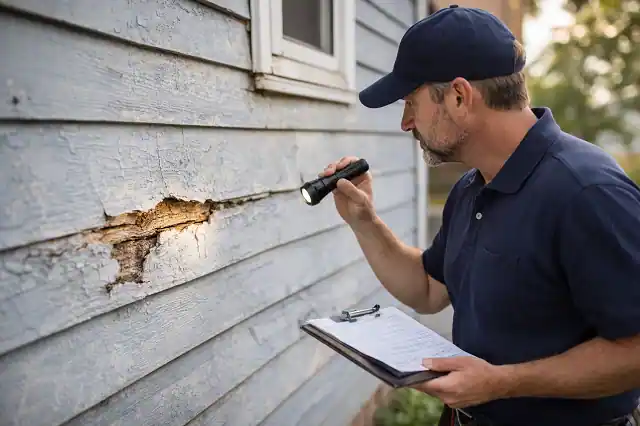
In many programs, a housing inspection is conducted before repairs begin. During this inspection, professionals evaluate the property and identify repairs that qualify under the program rules. This helps ensure that funds are used for the most important repairs.
Typical Process
- Homeowners apply for a housing repair assistance program.
- The housing agency reviews income and eligibility requirements.
- A home inspection may be scheduled to assess repair needs.
- Approved repairs are assigned to licensed contractors.
- Grant funds are paid directly to contractors or repair providers.
Most programs focus on essential housing repairs rather than cosmetic improvements. This means they prioritize repairs that improve safety, prevent structural damage, or protect residents from health hazards.
Examples of common repairs include:
- Fixing leaking roofs that cause water damage
- Repairing unsafe electrical wiring
- Replacing broken heating systems
- Fixing structural foundation damage
- Removing mold caused by plumbing leaks or flooding
Some programs also include energy efficiency home improvements that help homeowners reduce energy costs and improve indoor comfort. These improvements are often part of home upgrade assistance programs and energy efficiency incentive programs.
Read- Free Grants For Deck Repair And Home Safety Upgrades
By supporting these repairs, housing assistance programs help homeowners maintain safe homes and prevent small problems from becoming much larger and more expensive repairs.
Who Qualifies for Home Improvement Grants for Homeowners in 2026?
Eligibility requirements for home improvement grants for homeowners vary depending on the program and the organization offering assistance. However, most programs are designed to help homeowners who cannot easily afford major repairs on their own.
Housing agencies usually evaluate several factors when reviewing applications. These factors may include the homeowner’s income level, whether the home is the primary residence, and the type of repairs needed.
Many programs are part of broader homeowner financial assistance programs and government housing repair funding initiatives designed to improve housing conditions for vulnerable households.
Read- Home Repair Grants For Veterans by Federal and State Government
In general, homeowners may qualify for housing repair grants if they meet certain criteria such as income limits, property ownership requirements, and repair eligibility guidelines.
Some programs also prioritize homeowners whose properties need repairs that affect health, safety, or accessibility.
Income Requirements for Home Improvement Grants
Most housing repair programs prioritize low-income households because these homeowners often face the greatest challenges when paying for major home repairs.
Income eligibility is usually based on Area Median Income (AMI). This number represents the median household income for a specific region and is updated each year by housing authorities.
Typical eligibility guidelines include:
- Very low income: below 50% of AMI
- Low income: below 80% of AMI
Income limits vary depending on household size and location. For example, homeowners living in larger cities may have higher income limits compared to those in rural areas.
Read- USDA Section 504 Home Repair Grants For Roof Safety
Programs that provide housing rehabilitation grants and residential repair assistance programs often update their income guidelines each year to reflect changes in local economic conditions.
Because income limits vary by location, homeowners should check with their local housing authority or state housing agency to determine whether they qualify for a particular program.
Basic Eligibility Rules for Housing Repair Programs
In addition to income limits, most housing repair grant programs require homeowners to meet several basic eligibility conditions.
Common eligibility rules include:
- The applicant must own the home
- The property must be the primary residence
- The homeowner must meet income requirements
- The home must require repairs related to safety, health, or accessibility
Some programs also require the property to pass a housing inspection before repairs can be approved.
In certain programs, homeowners may also be required to remain in the home for several years after the repairs are completed. This rule helps ensure that government housing repair funding and residential renovation grants are used to support long-term housing stability rather than short-term property improvements.
Read- Ultimate Guide to Home Repair Grants in 2026: Federal, State, and Local Programs
Special Priority Groups
Many housing repair grant programs prioritize homeowners who face additional challenges in maintaining their homes. These programs are designed to support people who may be more vulnerable to housing problems due to financial limitations or physical challenges.
Priority groups often include:
- Seniors aged 62 or older
- Disabled homeowners
- Military veterans
- Families with young children
- Homeowners living in rural communities
Programs that focus on home accessibility modification grants and housing safety improvement programs often give priority to homeowners who need accessibility upgrades to continue living safely in their homes.
By prioritizing these groups, housing agencies ensure that housing repair funding and property renovation support programs reach the homeowners who need assistance the most.
Federal Home Improvement Grants for Homeowners Available in 2026
The federal government provides several programs that help homeowners repair and improve their homes. These programs are part of broader government housing repair funding initiatives designed to improve housing safety and living conditions across the country.
Federal home repair assistance programs are usually funded by government agencies but administered through state housing departments, local housing authorities, or nonprofit housing organizations. This structure allows communities to distribute funding based on local housing needs.
Read- Free Home Repair Grants For Low-Income Senior Citizens 2026
These federal programs support housing rehabilitation grants, residential renovation grants, and property renovation support programs that help homeowners address critical home repairs. Many of these programs focus on improving safety, reducing energy costs, and preventing homes from falling into severe disrepair.
Federal housing repair assistance often focuses on homeowners who face financial challenges. Priority is frequently given to low-income households, seniors, disabled homeowners, and rural residents.
Read- Free Home Repair Grants For Low-Income Disabled Homeowners
These programs can help homeowners repair major problems, such as:
- Structural damage to foundations or walls
- Unsafe electrical wiring or plumbing systems
- Roof leaks and water damage
- Heating and cooling system failures
- Poor insulation and energy inefficiency
Because these programs are supported by federal funding, they are among the most important home repair assistance programs available to homeowners in the United States.
USDA Section 504 Home Repair Grants for Low-Income Homeowners
The USDA Section 504 Home Repair Program is one of the most widely used federal housing repair programs. The official name of this program is the Single Family Housing Repair Loans and Grants Program, and it is administered by the U.S. Department of Agriculture through its Rural Development division.
This program is designed to help very low-income homeowners living in rural areas repair, improve, or modernize their homes. Rural communities often have fewer housing repair resources available, which makes this program especially important for maintaining safe housing conditions.
The program offers both grants and low-interest loans, depending on the homeowner’s financial situation. Grants are typically reserved for homeowners who cannot afford to repay a loan.
Maximum Assistance
| Assistance Type | Maximum Amount |
| Grant | $10,000 |
| Low-interest loan | $40,000 |
Who Qualifies
To qualify for the grant portion of the program, homeowners must:
- Be 62 years or older
- Have a very low household income
- Own and live in the home
- Be unable to repay a repair loan
Read- Free Roof Replacement Grants For Veterans-State Specific Programs
Eligible Repairs
USDA Section 504 grants may be used for repairs such as:
- Roof replacement or repair
- Plumbing system repairs
- Electrical system upgrades
- Heating system replacement
- Structural foundation repairs
These improvements are designed to eliminate health and safety hazards and improve overall housing quality. Because the program focuses on essential repairs, it plays an important role in housing safety improvement programs and residential repair subsidy programs.
HUD Home Improvement Grants for Homeowners
The U.S. Department of Housing and Urban Development (HUD) provides funding for several programs that support housing repair and rehabilitation projects.
For a detailed explanation of how HUD-funded home rehabilitation works, including CDBG, HOME, local application procedures, and the difference between HUD grants and HUD-backed financing, see our HUD home improvement grants guide.
HUD programs help communities address housing problems by providing housing rehabilitation grants, property improvement grants, and community housing repair initiatives.
Instead of distributing funds directly to homeowners, HUD usually provides funding to local governments, state housing agencies, and community organizations. These organizations then operate local programs that provide repair assistance to homeowners.
HUD programs often focus on:
- Improving housing quality in older neighborhoods
- Reducing housing safety hazards
- Supporting affordable housing initiatives
- Strengthening community development
Because these programs are administered locally, available assistance programs may vary depending on the city or county where a homeowner lives.
Community Development Block Grant (CDBG) Housing Repair Programs
The Community Development Block Grant (CDBG) program is one of the largest sources of housing repair funding in the United States.
Through this program, the federal government provides funding to cities and counties to support local development projects. A large portion of this funding is used for housing rehabilitation grants and home improvement grant programs.
Local governments often use CDBG funds to operate programs that help homeowners repair unsafe or deteriorating homes.
Read- Free Government Grants For Mobile Home Window Replacement
Common uses of CDBG funding include:
- Housing rehabilitation grants for low-income homeowners
- Roof replacement or repair programs
- Accessibility upgrades for disabled residents
- Lead paint hazard removal
- Structural repairs and foundation improvements
Because the program is administered locally, homeowners should contact their local housing department or community development office to learn about available programs.
Read- Interior Drywall Panels Repair Grants to Fix Water Damage in Homes
HOME Investment Partnerships Program Housing Repairs
The HOME Investment Partnerships Program is another major housing program funded by HUD. This program helps communities support affordable housing and housing rehabilitation projects.
HOME program funding may be used to support residential renovation grants and housing upgrade assistance programs for low-income homeowners.
Local governments can use HOME funds for projects such as:
- Structural repairs for older homes
- Safety improvements and code compliance repairs
- Home modernization projects
- Accessibility upgrades for seniors and disabled residents
These improvements help preserve affordable housing and ensure that homes remain safe and livable for residents.
The HOME program also plays a key role in supporting property renovation programs and community housing repair initiatives that improve neighborhoods.
Weatherization Assistance Program Grants for Energy-Efficient Home Upgrades
The Weatherization Assistance Program (WAP) is operated by the U.S. Department of Energy. This program focuses on improving the energy efficiency of homes so that homeowners can reduce their utility costs.
Energy efficiency improvements are an important part of many housing upgrade financial assistance programs because they help homeowners save money while improving home comfort.
Through this program, trained energy auditors inspect homes and identify improvements that can reduce energy waste.
Typical Weatherization Improvements
- Insulation installation in walls and attics
- Air sealing to reduce drafts
- Heating system upgrades
- Window and door improvements
- Ventilation upgrades
These improvements help reduce heat loss during winter and keep homes cooler during summer.
In addition to lowering energy bills, weatherization upgrades can improve indoor air quality and reduce moisture problems. These improvements are part of broader energy efficiency incentives for homeowners and residential energy improvement programs.
Priority is often given to households that include seniors, disabled residents, or families with young children.
FEMA Home Repair Grants for Homeowners After Natural Disasters
When natural disasters damage homes, homeowners may qualify for financial assistance through the Federal Emergency Management Agency (FEMA).
FEMA provides disaster housing assistance through the Individuals and Households Program (IHP). This program helps homeowners repair damage caused by disasters such as hurricanes, floods, tornadoes, and wildfires.
These grants are designed to help homeowners restore their homes to safe living conditions as quickly as possible.
FEMA assistance may help cover repairs such as:
- Structural damage to walls and foundations
- Roof repairs after storms
- Electrical and plumbing system repairs
- Water damage cleanup and mold removal
- Replacement of essential household systems
Although FEMA grants are not designed to restore homes to their original condition, they provide critical support that allows families to return to safe housing after disasters.
These programs are an important part of emergency housing repair funding and disaster housing assistance programs.
Read- Free Grants For Backyard Shed and Workshop Repair or Replacement
State and Local Home Improvement Grants for Homeowners
In addition to federal programs, many states and local governments operate their own home improvement grants and housing rehabilitation grants.
These programs are often funded through a combination of federal grants, state housing funds, and local community development budgets.
State and local programs play an important role in supporting homeowners because they can address housing problems that are specific to a particular region.
Local governments may assist with repairs such as:
- Roof replacement
- Structural repairs
- Plumbing and electrical upgrades
- Heating system repairs
- Accessibility improvements
Some programs may also focus on improving energy efficiency, housing safety, and neighborhood revitalization.
Because these programs vary widely across the country, homeowners should check with their local housing authority, city housing department, or state housing agency to learn about available opportunities.
Nonprofit Home Improvement Grants for Low-Income Homeowners
In addition to government programs, several nonprofit organizations offer home repair assistance programs and housing rehabilitation grants for homeowners who cannot afford necessary repairs. These organizations often work with local communities, volunteers, and contractors to improve housing conditions for vulnerable homeowners.
Nonprofit housing programs focus on helping people who may have difficulty maintaining their homes due to financial limitations, age, or physical disabilities. Many of these programs operate as community housing repair initiatives and residential repair subsidy programs, which provide free or low-cost home repairs.
Nonprofits often partner with government agencies and local housing departments to expand the availability of property renovation support programs and housing safety improvement programs.
These programs commonly support repairs such as:
- Roof repair or replacement
- Exterior home repairs
- Accessibility upgrades for seniors or disabled residents
- Structural safety improvements
- Weatherization and energy efficiency upgrades
Because nonprofit housing programs rely on community partnerships, the availability of assistance may vary depending on the region. However, they remain an important part of homeowner financial assistance programs that help families maintain safe homes.
Habitat for Humanity Home Repair Programs
Habitat for Humanity is one of the most well-known nonprofit housing organizations in the United States. While many people know Habitat for building new homes, the organization also operates home repair assistance programs for existing homeowners.
These programs are often called Critical Home Repair or Aging-in-Place programs. They help homeowners fix major problems that affect the safety or livability of their homes.
Habitat repair programs typically focus on improvements such as:
- Roof repairs
- Exterior wall repairs
- Accessibility modifications
- Window and door replacement
- Structural safety repairs
Many Habitat repair programs prioritize homeowners who are seniors, disabled, or living on limited incomes. Volunteers often help complete repairs alongside professional contractors, which helps reduce the overall cost of the project.
These programs play an important role in community housing repair initiatives and affordable home repair programs that help homeowners maintain safe living environments.
Rebuilding Together Housing Repair Programs
Another major nonprofit organization that provides housing repair assistance is Rebuilding Together. This organization operates across many communities and focuses on helping homeowners live in safe and healthy homes.
Rebuilding Together provides housing rehabilitation grants and residential repair assistance programs for vulnerable homeowners. Their programs typically serve:
- Seniors
- Disabled homeowners
- Low-income families
- Military veterans
Repairs completed through Rebuilding Together often include:
- Roof and structural repairs
- Electrical and plumbing repairs
- Accessibility upgrades
- Safety improvements such as handrails and ramps
Many repairs are completed through volunteer programs combined with professional contractors. This approach helps expand access to property renovation support programs that improve housing safety and stability.
Home Improvement Grants for Seniors and Elderly Homeowners
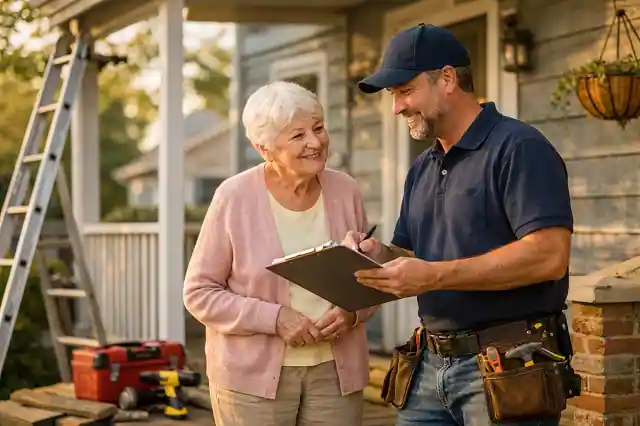
Many home repair programs specifically focus on seniors and elderly homeowners. Older homeowners often face challenges maintaining their homes due to fixed incomes, rising repair costs, and physical limitations.
To address these challenges, several programs offer housing repair funding and home accessibility modification grants designed to help seniors maintain safe living conditions.
These programs support repairs that improve both safety and comfort. Examples include:
- Roof repairs
- Heating system replacement
- Bathroom safety improvements
- Accessibility modifications
Many programs also support aging-in-place housing improvements, which help seniors remain in their homes rather than moving to assisted living facilities.
Read- Bathroom Upgradation Grants For Senior Citizens–Home Improvement Assistance
These improvements often include:
- Walk-in showers
- Grab bars and safety rails
- Wheelchair ramps
- Stair lifts
By supporting these improvements, housing programs help seniors maintain independence and improve overall quality of life.
Read- Free Window Replacement For Seniors: Costs and Grants Updated
Home Improvement Grants for Disabled Homeowners
Homeowners with disabilities may require special home modifications to ensure safe and comfortable living conditions. Many housing programs offer home accessibility modification grants and residential renovation grants that help disabled homeowners adapt their homes to meet their needs.
Accessibility improvements often include:
- Wheelchair ramps
- Accessible bathrooms
- Wider doorways
- Lower countertops or cabinets
- Safety handrails
These modifications are part of broader housing safety improvement programs and accessibility upgrade assistance programs designed to support independent living.
Read- Free Roof Replacement Grants For Disabled People-Federal and State Help
In many cases, housing agencies prioritize disabled homeowners when distributing government housing repair funding and property improvement grants. These programs ensure that people with disabilities can safely move around their homes and complete everyday activities.
Read- Energy-Efficient Window Replacement Grants For Disabled People
Home Improvement Grants for Veterans and Military Families
Military veterans may qualify for specialized housing assistance programs through the Department of Veterans Affairs (VA). These programs provide funding for home repairs and accessibility modifications for veterans with service-connected disabilities.
Two of the most important programs include:
- Specially Adapted Housing (SAH) Grants
- Special Home Adaptation (SHA) Grants
These grants are designed to help disabled veterans modify their homes so they can live independently.
Read- Free Window Replacement Grants For Disabled Veterans-Energy Efficient
Examples of improvements funded through VA programs include:
- Wheelchair ramps
- Accessible bathrooms and kitchens
- Doorway widening
- Structural home modifications
These programs are part of broader home modernization grants and housing accessibility programs that support veterans who need long-term housing modifications.
Read- Free Bathroom Upgradation Grants For Veterans-Home Safety and Comfort
Veterans can learn more about these programs through the Department of Veterans Affairs housing assistance resources.
Energy-Efficient Home Improvement Grants for Homeowners
Energy efficiency programs are an important part of modern housing upgrade assistance programs. These programs help homeowners improve energy efficiency while lowering utility costs.
Energy upgrades are especially valuable for older homes that may have outdated insulation, inefficient heating systems, or poor ventilation.
Many programs provide energy efficiency incentives for homeowners that help fund improvements such as:
- Energy-efficient window replacement
- Insulation upgrades
- High-efficiency heating systems
- Solar energy installations
These upgrades can significantly reduce heating and cooling costs. Over time, they can help homeowners save hundreds of dollars each year on energy bills.
Read-Affordable Heating Repair Assistance For Senior Citizens
Energy efficiency programs also support broader environmental goals by reducing overall energy consumption. As a result, many government agencies include energy improvements as part of their residential renovation grants and housing modernization programs.
How to Apply for Home Improvement Grants for Homeowners
- Research available housing repair assistance programs in your area.
- Review eligibility requirements for each program.
- Gather required documents such as proof of income and home ownership.
- Submit an application through a housing agency or nonprofit organization.
- Schedule a home inspection if required.
- The housing agency determines which repairs qualify under the program.
- Approved repairs are completed by licensed contractors.
Where to Apply for Home Improvement Grants
Homeowners can find housing repair funding programs and property renovation support programs through several sources.
The most common places to apply include:
- Local housing authorities
- State housing finance agencies
- Community action agencies
- Rural Development offices
- Nonprofit housing organizations
Many local governments operate housing rehabilitation programs and affordable home repair initiatives that help homeowners fix major safety problems.
Homeowners should contact their local housing department or search online for home repair assistance programs near their location.
Official Government Websites for Home Repair Grants
Homeowners can learn more about housing repair programs through official government websites.
Important resources include:
- USDA Rural Development housing repair programs
- HUD housing rehabilitation and community development programs
- Department of Energy Weatherization Assistance Program
- FEMA Disaster Assistance programs
- Department of Veterans Affairs housing adaptation grants
These official websites provide information about eligibility requirements, application procedures, and available funding programs.
Checking these resources regularly can help homeowners stay updated on new government housing repair funding opportunities.
Tips to Increase Your Chances of Getting a Home Improvement Grant
Because many housing programs receive a large number of applications, homeowners should take steps to improve their chances of approval.
Helpful strategies include:
- Applying to multiple housing assistance programs
- Submitting complete and accurate documentation
- Applying early before funding runs out
- Working with approved contractors when required
Homeowners may also benefit from contacting local housing agencies or nonprofit housing organizations for assistance with the application process.
These organizations often guide homeowner financial assistance programs and housing repair funding opportunities.
Frequently Asked Questions About Home Improvement Grants
Can homeowners get free home repair grants?
Yes. Many housing programs provide grants that do not need to be repaid. These programs are usually designed for low-income homeowners, seniors, or people with disabilities.
How long does it take to receive home repair grants?
Approval timelines vary depending on the program. Some applications may be processed within a few weeks, while others may take several months due to funding availability.
Can homeowners combine multiple housing repair grants?
In some cases, homeowners may qualify for multiple home repair assistance programs or housing rehabilitation grants. Combining funding sources can help cover the full cost of repairs.
What repairs are usually covered by housing repair grants?
Most programs focus on repairs that improve health, safety, and energy efficiency. This includes roof repairs, plumbing upgrades, electrical improvements, and accessibility modifications.
Who qualifies for home improvement grants for homeowners?
Eligibility depends on income, home ownership, and repair needs. Most programs prioritize low-income homeowners, seniors, disabled individuals, and rural residents.
Do home improvement grants need to be repaid?
Most home improvement grants do not need to be repaid if the homeowner follows the program rules and requirements.
Where can homeowners apply for home improvement grants?
Homeowners can apply through local housing authorities, state housing agencies, nonprofit organizations, and federal program offices.
Trusted Information About Home Improvement Grants (Updated & Reviewed)
Last Updated: March 2026
Reviewed By: Housing Assistance Research Team
This guide is based on verified data from official government housing programs and trusted sources. It is designed to provide accurate, clear, and updated information about home improvement grants for homeowners in 2026.
- Expert Sources: Information is based on verified programs from USDA, HUD, Department of Energy, FEMA, and VA housing assistance.
- Real Government Programs: Includes USDA Section 504, HUD programs, Weatherization Assistance Program, and FEMA housing support.
- Accuracy & Updates: All eligibility rules, grant amounts, and processes reflect 2026 updates.
- Transparency: No misleading claims. Grants, eligibility, and timelines are explained clearly.
- User-Focused Content: Written in simple English to help homeowners understand and apply easily.
This content is reviewed and updated regularly to ensure accuracy and reliability.
Final Thoughts on Home Improvement Grants for Homeowners
Maintaining a safe and comfortable home can be expensive, especially when major repairs are needed. Fortunately, many home repair assistance programs and housing rehabilitation grants are available to help homeowners address these challenges.
Federal agencies, state housing departments, local governments, and nonprofit organizations all provide housing repair funding and property improvement grants that help homeowners repair and upgrade their homes.
These programs support a wide range of improvements, from roof repairs and plumbing upgrades to accessibility modifications and energy efficiency improvements.
In 2026, home improvement grants for homeowners continue to play an important role in helping families maintain safe housing while reducing the financial burden of home repairs.
Homeowners who need assistance should explore available programs, contact local housing agencies, and apply for funding that may help improve their homes and protect their long-term investment.

Arthur Pendelton is a senior housing policy researcher and public welfare analyst with over eight years of experience tracking federal, state, and non-profit residential repair programs. He specializes in statutory grant frameworks, including USDA Section 504 Rural Housing, the Department of Energy’s Weatherization Assistance Program (WAP), and municipal HUD Community Development Block Grants (CDBG). Arthur systematically audits Federal Register publications and Title 7/42 CFR regulatory updates to provide low-income homeowners, seniors, and military veterans with accurate, barrier-free application guidance.