
To apply for home repair grants without getting rejected, first check eligibility rules, gather complete documents, prove financial need, apply to the right grant program, fix application mistakes, and submit strong supporting paperwork. In 2026, most U.S. home repair grant denials happen because of missing documents, income mismatch, property eligibility issues, or applying to programs that do not match homeowner needs.
Applying for home repair grants can feel confusing, especially if you have already heard stories of people getting denied. Many U.S. homeowners need help fixing leaking roofs, unsafe electrical systems, broken HVAC units, mold damage, accessibility problems, plumbing failures, or storm-related repairs. But the truth is simple: many applications get rejected because homeowners skip important steps.
If you want to know how to apply for home repair grants without getting rejected, this detailed 2026 guide explains everything step by step. You will learn how federal home repair grants work, how to improve approval chances, common rejection reasons, and smart strategies used by successful applicants.
Whether you are a senior homeowner, veteran, disabled homeowner, low-income family, rural resident, or first-time applicant, this guide will help you understand the process clearly.
Understand How Home Repair Grants Really Work in 2026
One of the biggest mistakes homeowners make is thinking home repair grants work like free money for every repair. That is not how most programs work.
In 2026, most home repair grants for homeowners are designed for specific repair needs. Programs often focus on:
- Health and safety repairs
- Emergency home repairs
- Accessibility modifications
- Weatherization improvements
- Energy-efficient home upgrades
- Roof replacement assistance
- Plumbing and electrical safety repairs
- Disaster recovery repairs
Many homeowners get rejected because they apply for cosmetic upgrades instead of essential repairs. For example, replacing luxury countertops usually does not qualify, but fixing unsafe wiring or roof leaks may qualify.
Before applying, understand the difference between:
- Home repair grants: Usually do not need repayment
- Forgivable repair loans: May become free if conditions are met
- Low-interest repair loans: Require repayment
- Emergency repair assistance: Designed for urgent safety issues
If your home repair need matches the grant purpose, approval chances become much higher.
Choose the Right Home Repair Grant Program Before Applying
Applying for the wrong program is one of the biggest reasons homeowners get denied.
In 2026, many U.S. homeowners qualify for programs they never even knew existed. Each program has different rules.
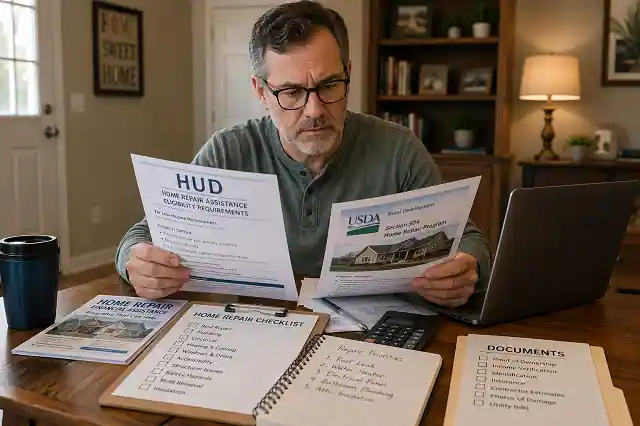
USDA Section 504 Home Repair Program
This program helps low-income homeowners in rural areas. Seniors may qualify for grants to remove health and safety hazards.
Common approved repairs include:
- Roof replacement
- Electrical fixes
- Foundation problems
- Plumbing repair
- Accessibility modifications
HUD Home Repair Programs
Many local governments receive federal funding for critical home repairs. These programs may help low-income homeowners improve safety and habitability.
You can also explore Free Home Repair Grants For Seniors 2026-Get Up to $50,000
Common covered repairs:
- Mold removal
- Lead paint removal
- Structural repairs
- Window replacement
- Accessibility upgrades
Veteran Home Repair Grants
Veterans may qualify for accessibility upgrades, home modification grants, or repair assistance programs.
Check out the detailed information here $12,500 Free Home Repair Grants For Disabled Veterans 2026
Weatherization Assistance Programs
Low-income households may receive help improving home energy efficiency through insulation, sealing, HVAC repairs, or weatherproofing.
The key lesson is simple: apply only to programs matching your repair problem and eligibility status.
Check Eligibility Rules Before You Submit Any Application
Thousands of homeowners get denied every year because they skip the eligibility section.
Before submitting an application, carefully review the requirements for:
- Income limits
- Homeownership status
- Primary residence requirements
- Age requirements
- Veteran status
- Disability requirements
- Property location restrictions
- Type of repair needed
For example, many low-income home repair grants in 2026 have strict income limits based on area median income (AMI). Even earning slightly above the limit may cause rejection.
Some programs only help owner-occupied homes. Rental properties may not qualify.
Always ask yourself:
“Do I fully meet every requirement?”
If not, you may waste valuable time applying to the wrong opportunity.
Gather Every Required Document Before Applying
Missing paperwork causes a large number of home repair grant rejections.
Successful applicants usually prepare documents before starting the application.
Common documents include:
- Government-issued photo ID
- Proof of homeownership
- Mortgage statement
- Property tax records
- Home insurance paperwork
- Income verification
- Recent pay stubs
- Social Security income proof
- Veteran documents (if applicable)
- Disability documentation (if applicable)
- Repair estimates from contractors
- Photos showing damage
- Bank statements
- Utility bills
One of the smartest strategies for getting approved for home repair assistance is creating a document folder before applying.
Many grant agencies work on limited funding. If your paperwork is incomplete, your application may move to the bottom of the list or get rejected completely.
Strong documentation shows urgency, responsibility, and proof of need.
Prove Why Your Repair Is Necessary and Urgent
One of the most overlooked strategies for avoiding rejection is clearly proving why the repair matters.
Many homeowners simply write things like “roof repair needed” or “need plumbing help.” That is usually not enough.
Find out the details about emergency repair here: Emergency Home Repair Grants 2026-Help For Urgent Repairs
Grant agencies want to understand:
- Why can’t the repair wait
- Whether the damage affects health or safety
- If the problem makes the home unsafe to live in
- Whether vulnerable household members are affected
- If delaying repairs could make costs worse
In 2026, grant approval often depends on showing a clear need.
For example:
- A leaking roof, causing mold, is stronger than cosmetic roof damage
- Unsafe electrical wiring, creating fire risks, gets priority
- Broken heating during winter can qualify as an emergency repair
- Accessibility ramps for disabled homeowners often receive priority funding
Always include:
- Detailed damage descriptions
- Clear photographs
- Repair estimates
- Letters from contractors
- Medical documentation of accessibility issues that exist
If possible, explain how the repair impacts your family’s daily safety.
Strong evidence often separates approved applications from rejected ones.
Avoid the Most Common Reasons Home Repair Grants Get Rejected
If you understand why applications fail, you can dramatically improve approval chances.
Below are the most common reasons homeowners get denied in 2026:
Applying for the Wrong Program
Many homeowners apply to every grant they find online without checking eligibility.
This wastes time and often leads to automatic rejection.
Missing Documents
Incomplete paperwork is one of the biggest reasons for rejection.
Missing proof of income, tax documents, contractor estimates, or ownership paperwork can stop approval immediately.
Income Above Program Limits
Most government home repair grants for low-income families use income caps.
Even slightly exceeding the limit may lead to denial.
Property Does Not Qualify
Some grants only help primary residences.
Vacation homes, second homes, or rental properties may not qualify.
Repairs Are Cosmetic
Many programs prioritize essential repairs only.
Examples of usually rejected repairs include:
- Luxury kitchen remodels
- Decorative landscaping
- Swimming pools
- Non-essential renovations
Poor Application Quality
Rushed applications with missing details lower approval chances.
Always review your application carefully before submitting.
Avoiding these mistakes can significantly improve your chances of getting approved for free home repair grants in 2026.
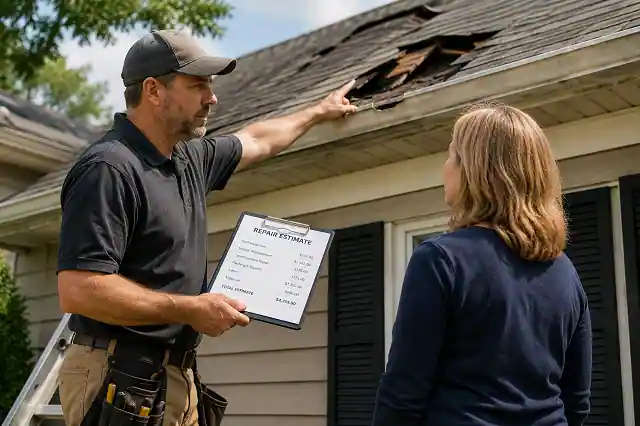
Get Contractor Estimates Before You Apply
Many homeowners wait too long to gather repair estimates. This mistake can delay or hurt approval chances.
Most repair assistance programs want to see estimated costs before funding.
Try to get at least:
- Two contractor estimates
- Detailed repair descriptions
- Labor and material breakdowns
- Safety concerns listed in writing
Contractor estimates help agencies understand:
- The seriousness of the problem
- Expected repair costs
- Whether repairs are reasonable
- If emergency work is required
For example, if a contractor confirms that roof leaks are damaging ceilings and creating mold risks, your application becomes stronger.
Always choose licensed contractors whenever possible.
Professional documentation adds credibility to your case.
Write a Strong Hardship Explanation Letter
Many grant programs allow applicants to explain their financial hardship.
This section matters more than many homeowners realize.
A strong hardship letter should explain:
- What repair is needed
- Why the repair is urgent
- Why you cannot afford repairs
- How the issue affects health or safety
- Any financial hardship affecting your household
Examples of hardship situations:
- Medical expenses
- Disability-related income loss
- Retirement fixed income
- Job loss
- Inflation-related financial struggles
- Storm or disaster damage
Keep your explanation honest and clear.
Do not exaggerate problems, but do explain the real impact on your family.
In 2026, many agencies prioritize homeowners showing urgent financial hardship and unsafe living conditions.
Apply Early Because Funding Runs Out Fast
Many homeowners wait too long to apply.
This mistake leads to rejection even when applicants qualify.
Many federal home repair assistance programs work on limited annual budgets.
When money runs out, applications may:
- Be placed on waiting lists
- Be delayed for months
- Get automatically declined
Programs commonly funded early include:
- USDA repair assistance
- Local housing rehabilitation grants
- Senior home repair grants
- Veteran accessibility grants
- Emergency repair assistance
The best strategy is to apply as soon as funding opens.
Many local counties and housing agencies start new funding cycles every year.
Check:
- County housing department websites
- State housing agencies
- HUD-approved housing programs
- Local nonprofit organizations
- Community action agencies
Early applications often receive faster attention.
Use Local and Nonprofit Repair Programs to Improve Approval Chances
Many homeowners focus only on federal programs and miss valuable local help.
In 2026, many cities, counties, churches, charities, and nonprofit organizations will offer free home repair help for low-income homeowners.
Combining multiple programs may improve your chances of getting approved.
Some organizations provide:
- Emergency roof repair assistance
- Accessibility improvements
- Free volunteer labor
- Critical plumbing repairs
- HVAC replacement support
- Window replacement programs
- Weatherization upgrades
Common places to look include:
- County housing authorities
- State housing agencies
- Local nonprofits
- Faith-based organizations
- Community development offices
- Area Agencies on Aging
- Habitat-style repair assistance organizations
Many programs prioritize:
- Senior citizens
- Veterans
- Disabled homeowners
- Low-income families
- Rural homeowners
- Disaster-affected households
One smart strategy is to apply to multiple matching programs instead of relying on only one source.
You can also explore Free Home Repair Grants For Seniors 2026-Fixes Up to $50K
What to Do If Your Home Repair Grant Application Gets Rejected
Getting denied does not always mean you are permanently disqualified.
Many homeowners successfully get approved after fixing mistakes and reapplying.
If your application gets rejected, first ask:
“Why was my application denied?”
Most agencies explain the reason.
Common rejection fixes include:
Fix Missing Documentation
If the paperwork was incomplete, gather the missing records and apply again.
Correct Income Verification Problems
Sometimes, pay stubs, tax forms, or benefit documents were missing.
Apply to a Better-Matched Program
You may qualify for another grant even if one program denied you.
Strengthen Evidence
Add:
- More damage photos
- Contractor letters
- Medical records for accessibility issues
- Detailed repair estimates
Request an Appeal
Some programs allow homeowners to appeal denials.
If you believe the rejection was unfair or caused by missing information, ask about appeal options.
Many homeowners are approved after submitting additional evidence.
The important thing is not giving up after one denial.
Best Expert Tips to Get Approved for Home Repair Grants in 2026
If you want the best chance of success, follow these expert-approved strategies.
Apply Only for Matching Programs
Never submit random applications.
Choose programs that fit your repair type, income level, and homeowner status.
Apply Early
Funding often runs out quickly.
Early applications receive better attention.
Show Health and Safety Risks
Programs prioritize unsafe living conditions.
Focus on:
- Mold
- Roof leaks
- Electrical dangers
- Broken heating systems
- Plumbing failures
- Accessibility hazards
Submit Complete Documents
Missing paperwork is one of the easiest ways to get rejected.
Create a checklist before applying.
Include Repair Photos
Visual proof often strengthens applications.
Get Contractor Estimates
Professional repair estimates improve credibility.
Write a Strong Hardship Statement
Explain why repairs matter and why financial assistance is needed.
Use Multiple Assistance Sources
Do not rely on one grant only.
Combine federal, state, nonprofit, and local housing assistance opportunities.
7-Step How-To Apply for Home Repair Grants Without Getting Rejected
Check Your Eligibility First
Review income limits, property rules, homeowner requirements, and repair qualifications before applying.
Choose the Correct Grant Program
Apply only to programs matching your repair need, income level, and homeowner category.
Gather All Required Documents
Prepare ID, income proof, ownership papers, contractor estimates, and damage photos.
Document the Damage Clearly
Take detailed photos and collect repair assessments showing safety or health concerns.
Write a Strong Hardship Letter
Explain financial struggles and why repairs are urgent.
Submit a Complete Application
Double-check every form, attachment, and signature before submission.
Follow Up on Your Application
Contact the agency if updates are needed and quickly respond to document requests.
Frequently Asked Questions
1. Why do most home repair grant applications get rejected?
Most home repair grant applications get rejected because of missing documents, income issues, applying to the wrong program, cosmetic repair requests, or incomplete paperwork.
2. Can I apply for multiple home repair grants at the same time?
Yes, many homeowners apply for multiple home repair grants and assistance programs at the same time, as long as program rules allow it.
3. What documents are needed for home repair grants?
Most programs require photo ID, proof of income, homeownership records, tax information, contractor estimates, and repair photos.
4. Are home repair grants really free money?
Many home repair grants do not require repayment, but some programs offer forgivable loans or low-interest financing instead.
5. Can seniors qualify for free home repair grants?
Yes, many senior homeowners qualify for repair grants through USDA programs, nonprofit organizations, local agencies, and senior-focused housing assistance.
6. What repairs are usually covered by home repair grants?
Most programs cover essential repairs such as roof replacement, plumbing, electrical work, accessibility improvements, HVAC systems, mold removal, and structural repairs.
7. What should I do if my home repair grant application gets denied?
If your application gets denied, ask for the reason, fix missing paperwork, strengthen evidence, and apply again or appeal if allowed.
EEAT: Why You Can Trust This 2026 Home Repair Grant Guide
Last Updated: May 2026
Reviewed By: Home Repair Assistance Research Team
1. Based on 2026 U.S. Housing Assistance Rules
This guide reflects updated 2026 information about federal, state, nonprofit, and local home repair assistance programs available to U.S. homeowners.
2. Written Using Real Grant Approval Factors
This content focuses on real reasons homeowners get approved or denied, helping readers avoid common mistakes.
3. Designed for Real Homeowners
This guide is written for seniors, veterans, low-income families, disabled homeowners, and first-time applicants seeking real repair help.
4. Focused on Trustworthy Information
The information prioritizes government programs, nonprofit resources, housing agencies, and practical approval strategies.
5. Updated for AI Search and Featured Snippets
This article uses clear explanations, structured answers, and updated housing information designed for better visibility in search and AI-generated summaries.
Conclusion
Learning how to apply for home repair grants without getting rejected starts with preparation. Most denials happen because homeowners apply for the wrong program, miss documents, fail to prove urgency, or ignore eligibility rules.
In 2026, the smartest strategy is simple: choose the right program, prepare strong paperwork, document the repair clearly, apply early, and use multiple funding sources when possible.
If your home has unsafe wiring, roof leaks, broken plumbing, accessibility issues, mold damage, or emergency repair needs, financial help may already be available. Taking the right steps now can improve approval chances and help protect your home, safety, and finances.

Arthur Pendelton is a senior housing policy researcher and public welfare analyst with over eight years of experience tracking federal, state, and non-profit residential repair programs. He specializes in statutory grant frameworks, including USDA Section 504 Rural Housing, the Department of Energy’s Weatherization Assistance Program (WAP), and municipal HUD Community Development Block Grants (CDBG). Arthur systematically audits Federal Register publications and Title 7/42 CFR regulatory updates to provide low-income homeowners, seniors, and military veterans with accurate, barrier-free application guidance.