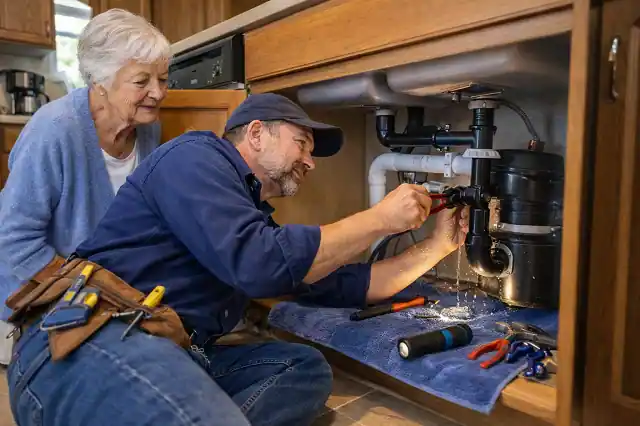
Home repair grants for senior citizens in 2026 help eligible older homeowners pay for critical repairs, accessibility improvements, energy-efficiency upgrades, and health and safety modifications. Federal programs like USDA Section 504, HUD-funded initiatives, and state housing agencies can provide grants, forgivable loans, or free repair services depending on income, age, location, and housing needs.
Owning a home should provide comfort and security during retirement, but rising repair costs have made that increasingly difficult for many older Americans. According to the U.S. Census Bureau, millions of senior households now spend a significant portion of their income on housing expenses, leaving little money for emergency repairs, accessibility improvements, or energy-efficient upgrades.
Fortunately, 2026 continues to bring valuable opportunities for eligible homeowners. Federal agencies, state housing departments, counties, nonprofit organizations, utility companies, and local governments offer financial assistance that can help seniors remain safely in their homes while avoiding expensive out-of-pocket repairs.
This guide explains the latest 2026 home repair grants for senior citizens, who qualifies, how much assistance may be available, and where to apply. Throughout this guide, you’ll also discover official government resources, practical application strategies, and state-specific assistance programs that can significantly improve your chances of receiving funding.
What Are Home Repair Grants for Senior Citizens in 2026?
Home repair grants for senior citizens are financial assistance programs that help older homeowners repair, improve, or modify their primary residence without requiring traditional repayment. Unlike standard home improvement loans, grants are generally awarded to eligible applicants who meet income, age, residency, and property ownership requirements. Many programs focus on eliminating health and safety hazards, improving accessibility, reducing energy costs, and allowing seniors to age safely at home.
Many homeowners begin by exploring waterproofing grants for senior citizens because moisture damage often leads to structural deterioration, mold growth, and expensive future repairs. Preventive improvements frequently qualify under federal, state, or local rehabilitation programs.
Unlike cosmetic remodeling assistance, most government-funded repair programs prioritize essential improvements that directly affect health, safety, accessibility, or structural integrity. These may include replacing unsafe roofing, repairing damaged electrical systems, correcting plumbing failures, improving heating systems, installing wheelchair ramps, or eliminating dangerous trip hazards.
Many federal and state agencies continue prioritizing aging-in-place initiatives, allowing seniors to remain safely in their own homes rather than moving into assisted living facilities. As a result, accessibility modifications and health-related repairs remain among the highest-funded categories.
For homeowners dealing with severe roof damage, federal and local rehabilitation funds are often combined with federal and state roof replacement grants, helping reduce the overall financial burden of major structural repairs.

Why Home Repair Assistance Is More Important Than Ever
Housing costs continue rising across the United States while many retirees rely primarily on Social Security benefits or fixed retirement income. Even relatively small repairs can become overwhelming when household budgets are already stretched by medical expenses, insurance premiums, and utility bills.
The Centers for Disease Control and Prevention (CDC) continues to identify falls as one of the leading causes of injury among older adults. Home modifications such as grab bars, improved lighting, safer bathrooms, handrails, wheelchair ramps, and non-slip flooring significantly reduce these risks while helping seniors maintain independence.
Bathroom accessibility remains one of the most requested improvements nationwide, making programs like bathroom upgradation grants for seniors especially valuable for homeowners planning to age in place safely.
| Primary Goal | Examples of Covered Repairs | Typical Funding Source |
| Health & Safety | Roof, plumbing, electrical, structural repairs | USDA, HUD, Local Housing Agencies |
| Accessibility | Wheelchair ramps, grab bars, stair lifts | State Programs, VA, Nonprofits |
| Energy Efficiency | Insulation, HVAC, weatherization, windows | DOE Weatherization Program |
| Emergency Repairs | Storm damage, unsafe living conditions | FEMA, State Emergency Funds |
Who Qualifies for Home Repair Grants for Senior Citizens?
Eligibility requirements vary between programs, but several factors appear consistently across most federal, state, county, and nonprofit assistance initiatives. Understanding these requirements before applying can improve approval chances and reduce processing delays.
Common Eligibility Requirements
- Applicant owns the home.
- The property is the primary residence.
- Applicant generally meets age requirements (often 60+ or 62+).
- Household income falls below program limits.
- The requested repair addresses health, safety, accessibility, or structural concerns.
- The property is located within the program’s service area.
- ✔ Proof of ownership
- ✔ Government-issued ID
- ✔ Income verification
- ✔ Property tax records (if required)
- ✔ Repair estimates
- ✔ Photos of damaged areas
Veterans who are also senior homeowners may qualify for additional funding opportunities through specialized programs. Many applicants combine traditional senior assistance with home repair grants for veterans when eligibility requirements overlap.
Window replacement is another commonly funded improvement because it enhances both energy efficiency and home safety. Eligible homeowners frequently receive assistance through window replacement grants for senior citizens, particularly when older windows contribute to excessive heating and cooling costs.
Income eligibility is generally based on Area Median Income (AMI), household size, or federal poverty guidelines. Some programs serve households earning less than 50% of AMI, while others extend assistance to families earning up to 80% of AMI depending on available funding and state regulations.
State-funded rehabilitation initiatives may also provide additional support beyond federal assistance, especially for accessibility improvements, emergency repairs, and aging-in-place projects. Later in this guide, we’ll examine these programs in greater detail along with application strategies that improve approval odds.
Federal Home Repair Grant Programs Every Senior Should Know About
Federal assistance remains the foundation of home repair funding for senior homeowners in 2026. Instead of relying on a single program, many eligible applicants combine federal grants, state assistance, nonprofit resources, and local housing rehabilitation initiatives to complete larger repair projects. Understanding how each federal program works can significantly improve your chances of securing enough funding to keep your home safe, accessible, and energy efficient.
The most successful applicants identify every program they qualify for before submitting applications. Homeowners needing roof repairs, accessibility improvements, or emergency structural work often combine several assistance sources while following each program’s eligibility rules.
Federal grants rarely duplicate each other. Instead, they often complement state, county, nonprofit, and utility-funded assistance, allowing qualified seniors to receive significantly more total financial help.
USDA Section 504 Home Repair Program
The USDA Section 504 Single Family Housing Repair Program remains one of the most valuable federal resources for older homeowners living in eligible rural communities. The program helps remove health and safety hazards while supporting aging in place through grants and low-interest loans. Eligible homeowners aged 62 or older who cannot repay a loan may qualify for grants, while other qualified applicants may receive affordable financing for larger rehabilitation projects.
Many rural homeowners combine Section 504 assistance with roof replacement grants for veterans or other specialized housing programs when additional eligibility requirements are met, allowing larger structural projects to move forward.
HUD Community Development Block Grant (CDBG)
The U.S. Department of Housing and Urban Development (HUD) distributes Community Development Block Grant funding to cities and counties nationwide. Local governments use these funds for housing rehabilitation, emergency home repairs, accessibility improvements, neighborhood revitalization, and other community development activities. Unlike USDA programs, CDBG funding varies by municipality, making local housing departments the best source for current opportunities.
Depending on where you live, CDBG funding may cover roof repairs, plumbing failures, accessibility modifications, electrical hazards, and rehabilitation work that allows seniors to continue living independently.
Weatherization Assistance Program (WAP)
Administered through the U.S. Department of Energy, the Weatherization Assistance Program helps reduce utility costs by improving a home’s energy efficiency. Instead of issuing cash directly to homeowners, the program generally pays approved contractors to complete qualifying improvements.
Many seniors receive insulation upgrades, air sealing, furnace repairs, duct improvements, and window efficiency upgrades through weatherization programs. Homeowners replacing older bathrooms while improving energy performance may also qualify for related assistance such as bathroom repair grants for low-income homeowners when local funding sources overlap.
| Federal Program | Primary Purpose | Typical Assistance | Best For |
| USDA Section 504 | Health & safety repairs | Grant and low-interest loan | Rural senior homeowners |
| HUD CDBG | Housing rehabilitation | Grant or forgivable assistance | Urban & suburban homeowners |
| Weatherization Assistance Program | Energy efficiency | Free home improvements | Low-income households |
| FEMA Housing Assistance | Disaster recovery | Emergency repair funding | Declared disaster areas |
| VA Housing Adaptation Programs | Accessibility modifications | Grant assistance | Eligible disabled veterans |
FEMA Disaster Housing Assistance
When a federally declared disaster damages a home, FEMA may provide financial assistance for emergency repairs that make the property safe and livable. Although FEMA is not considered a traditional home improvement program, disaster assistance frequently becomes an essential funding source following hurricanes, floods, tornadoes, wildfires, and other major events.
Homeowners affected by severe weather often supplement FEMA assistance with senior roof replacement grants when permanent structural repairs exceed disaster funding limits.
VA Home Modification Programs
Older veterans with service-connected disabilities may qualify for several Department of Veterans Affairs housing adaptation programs. These grants help finance wheelchair accessibility improvements, bathroom modifications, ramps, widened doorways, and other structural changes that improve independent living.
Many eligible households further reduce costs through federal home repair grants for veterans, particularly when combining VA assistance with state veteran housing initiatives.
State and Local Home Repair Assistance Programs
While federal funding receives most public attention, many of the largest repair awards actually come from state housing agencies, county rehabilitation offices, and municipal housing departments. Every state administers these programs differently, creating unique opportunities based on local housing priorities and available funding.
States frequently supplement federal resources using housing trust funds, bond programs, disaster recovery allocations, utility partnerships, and nonprofit collaborations. This allows many communities to offer substantially larger rehabilitation packages than federal grants alone.
For example, Georgia homeowners may benefit from specialized rehabilitation opportunities through home repair grants in Georgia, while veterans may access additional accessibility funding through bathroom upgradation grants for veterans where state and federal programs work together.
Many state-funded programs accept applications only once or twice each year. Contact your State Housing Finance Agency, Area Agency on Aging, county housing department, and Community Action Agency early to avoid missing limited funding windows.
What Types of Home Repairs Do Senior Home Repair Grants Cover?
One of the biggest misconceptions about home repair grants is that they only cover minor maintenance projects. In reality, many federal, state, and local assistance programs focus on expensive repairs that directly affect a senior homeowner’s health, safety, and ability to remain independent. Agencies generally prioritize repairs that eliminate hazards, improve accessibility, reduce energy costs, or prevent further structural damage.
According to the U.S. Census Bureau, millions of older homes across the United States require significant repairs. Many senior homeowners live on fixed incomes, making grant assistance an important tool for preserving safe and affordable housing.
Programs rarely pay for luxury renovations. Funding is typically reserved for repairs that improve health, safety, accessibility, structural stability, or energy efficiency.
Roof Repairs and Roof Replacement
A leaking roof can quickly become one of the most expensive problems a homeowner faces. Water intrusion often damages insulation, ceilings, electrical wiring, drywall, flooring, and structural framing. Because of these safety concerns, roof repairs remain one of the highest priorities under many rehabilitation programs.
Homeowners replacing aging windows during a larger roofing project often qualify for additional assistance through window replacement grant programs, while veterans may receive specialized funding through home window grants for veterans.
Electrical System Improvements
Older electrical systems frequently fail modern safety standards. Outdated wiring, overloaded panels, damaged outlets, and obsolete breaker boxes increase the risk of electrical fires. Federal rehabilitation programs often approve these repairs because they directly eliminate health and safety hazards.
Many homeowners also pursue grants to replace electrical panels when outdated equipment prevents safe operation of modern appliances or heating systems.
Bathroom Accessibility Improvements
Falls remain one of the leading causes of injury among older adults. Installing walk-in showers, grab bars, comfort-height toilets, non-slip flooring, wider doorways, and wheelchair-accessible bathrooms allows many seniors to remain safely in their homes for years longer.
Eligible homeowners may qualify for bathroom accessibility grants for disabled homeowners or bathroom upgradation grants for disabled homeowners, depending on program requirements and funding availability.
| Repair Category | Typical Cost | Frequently Covered |
| Roof replacement | $8,000–$18,000 | Yes |
| Electrical upgrades | $3,000–$12,000 | Yes |
| Bathroom accessibility | $4,000–$20,000 | Yes |
| Window replacement | $400–$1,500 per window | Often |
| HVAC replacement | $6,000–$14,000 | Often |
Window and Energy-Efficiency Improvements
Replacing drafty windows lowers heating and cooling costs while improving indoor comfort throughout the year. Seniors living in older homes often qualify for energy-efficiency improvements funded through the Weatherization Assistance Program or similar state initiatives.
Homeowners in Texas can explore additional opportunities through window replacement grants available in Texas, while veterans may benefit from window replacement grants for veterans where program eligibility overlaps.
State-Specific Repair Programs
Many states supplement federal funding with rehabilitation programs that address local housing needs. For example, New York communities frequently administer housing rehabilitation funds through county agencies, helping eligible homeowners finance accessibility improvements, emergency repairs, and structural rehabilitation.
Seniors living in New York should monitor New York home repair grants for seniors alongside local county housing opportunities and official HUD HOME Investment Partnerships funding available through participating municipalities.
If your home requires multiple repairs, ask each agency whether “grant stacking” is permitted. Many homeowners successfully combine federal, state, nonprofit, and utility-funded assistance to complete larger rehabilitation projects while remaining within each program’s rules.
Repairs Usually Not Covered
Most assistance programs do not fund luxury remodeling projects such as swimming pools, outdoor kitchens, decorative landscaping, room additions, premium flooring upgrades, or cosmetic renovations. Funding decisions are generally based on documented safety concerns, accessibility needs, energy savings, or structural rehabilitation priorities established by federal and state housing agencies.

Special Home Repair Programs for Different Types of Senior Homeowners
Although many home repair grants are available to all qualifying senior homeowners, several programs are designed for specific groups with unique housing needs. Federal agencies, state housing authorities, nonprofit organizations, and local governments often prioritize applicants facing greater financial hardship, disabilities, military service, or geographic challenges. Understanding these specialized opportunities can help seniors identify additional funding that may not be widely advertised.
Many homeowners qualify for multiple specialized assistance programs at the same time. Being a low-income senior, veteran, disabled homeowner, or rural resident may significantly increase the amount of assistance available.
Programs for Low-Income Senior Homeowners
Low-income seniors remain the highest priority for most federal rehabilitation programs. Income limits are generally based on Area Median Income (AMI), household size, and local housing costs. Seniors living on Social Security retirement income, SSI, or other fixed income sources often qualify for substantial assistance.
Many homeowners begin by reviewing home repair grants for low-income homeowners, then combine those opportunities with home improvement grants for seniors to maximize available funding.
Programs for Disabled Senior Homeowners
Older adults with mobility limitations or long-term disabilities often qualify for grants that pay for accessibility improvements instead of traditional repairs. These projects may include wheelchair ramps, roll-in showers, widened doorways, grab bars, stair lifts, and accessible kitchens.
Many states supplement federal funding with specialized rehabilitation initiatives similar to home improvement grants for disabled homeowners, allowing seniors to remain safely in their homes for many more years.
Veterans and Military Families
Senior veterans frequently qualify for housing assistance through both the Department of Veterans Affairs and state veteran agencies. Depending on military service, disability status, and income, veterans may receive grants for accessibility improvements, structural rehabilitation, and emergency repairs.
State-Specific Assistance Opportunities
Nearly every state administers housing rehabilitation differently. Some states provide annual funding through housing finance agencies, while others distribute assistance through counties or municipalities. Seniors should always check local programs in addition to federal opportunities.
For example, eligible homeowners may benefit from home repair grants available in Ohio, while New Jersey residents should explore New Jersey window replacement assistance programs for energy-efficient upgrades.
The HUD state housing directory provides direct access to housing agencies that administer many local rehabilitation programs across the country.
| Homeowner Group | Priority Assistance | Common Funding Sources |
| Low-income seniors | Critical home repairs | USDA, HUD, Counties |
| Disabled seniors | Accessibility improvements | VA, States, Nonprofits |
| Veterans | Housing adaptation | VA, State Veteran Programs |
| Rural homeowners | Structural rehabilitation | USDA Rural Development |
| Disaster survivors | Emergency repairs | FEMA, State Recovery Funds |
Finding Local Home Repair Assistance Beyond Federal Grants
Some of the largest home repair awards come from organizations that many seniors overlook. County housing departments, Area Agencies on Aging, Community Action Agencies, utility companies, nonprofit organizations, and charitable foundations regularly administer funding that complements federal assistance.
Start by contacting the Eldercare Locator, which can connect seniors with local aging agencies, housing counselors, and community organizations offering repair assistance in their area.
Local nonprofit organizations also play an important role. National organizations such as Rebuilding Together partner with community volunteers, contractors, and local governments to complete repairs for eligible older adults, particularly those facing financial hardship.
Teachers, retired educators, and school employees may also qualify for specialized housing assistance in certain communities. Eligible applicants should review teacher home repair grant programs where available.
Some states also provide energy-efficiency funding for older windows. Homeowners in Florida should review window replacement grants available in Florida, especially when combining weatherization improvements with broader rehabilitation projects.
Do not stop after submitting one application. Contact your county housing department, Area Agency on Aging, Community Action Agency, utility company, nonprofit organizations, and state housing finance agency. Many seniors receive funding from several sources for different portions of the same repair project.
How Much Financial Assistance Can Senior Homeowners Receive in 2026?
The amount of assistance available depends on the funding source, household income, repair needs, and where the property is located. Some programs provide a few thousand dollars for emergency repairs, while others combine grants, forgivable loans, nonprofit assistance, and volunteer labor to fund much larger rehabilitation projects. Seniors should never assume they are limited to a single funding source because many agencies allow multiple programs to contribute toward the same repair project.
Federal programs administered through the USDA Rural Development office remain among the most valuable resources for eligible rural homeowners. Additional assistance is frequently available through state housing finance agencies, county rehabilitation offices, nonprofit organizations, and utility-sponsored energy efficiency programs.
| Program Type | Typical Assistance | Primary Purpose |
| Federal Grants | $5,000–$10,000+ | Health and safety repairs |
| State Rehabilitation Programs | $5,000–$25,000+ | Major home rehabilitation |
| Weatherization Programs | Approved project costs | Energy-efficiency upgrades |
| Disaster Assistance | Varies by disaster | Emergency home repairs |
| Nonprofit Assistance | Labor, materials, or grants | Accessibility and critical repairs |
Homeowners facing significant structural issues often combine rehabilitation assistance with home rehabilitation grants or broader free home repair grant programs to reduce out-of-pocket costs.
Can Seniors Combine Multiple Grant Programs?
Yes. In many situations, seniors can legally combine assistance from multiple funding sources provided each program permits it. This strategy, commonly called grant stacking, allows homeowners to address several repair needs without relying on one grant alone. For example, a USDA-funded structural repair may be paired with weatherization improvements funded through the Weatherization Assistance Program, while a local nonprofit installs accessibility features.
Applicants needing roof repairs may receive additional support through roof repair grants for low-income homeowners when local housing rehabilitation funds are available.
A qualified senior homeowner may receive USDA funding for structural repairs, Weatherization Assistance Program services for insulation and HVAC improvements, county rehabilitation funds for accessibility upgrades, and nonprofit volunteer labor for exterior repairs—all on the same property when program rules allow.
How to Improve Your Chances of Grant Approval
Competition for housing assistance remains high in many communities. Submitting a complete application with accurate documentation significantly improves the likelihood of approval. Agencies often prioritize applications that clearly demonstrate immediate health or safety concerns rather than cosmetic improvements.
Before applying, collect proof of ownership, identification, recent income documentation, property tax information, insurance details if requested, photographs of damaged areas, and written repair estimates from qualified contractors.
Single-parent households caring for aging family members may also qualify for specialized assistance through home repair grants for single mothers, depending on local eligibility requirements.
Common Reasons Applications Are Denied
- Incomplete application forms.
- Missing income documentation.
- Repairs considered cosmetic instead of safety-related.
- Household income exceeds program limits.
- Property is not the applicant’s primary residence.
- Funding has been exhausted for the current cycle.
- Required inspections cannot be completed.
Never begin major repairs before receiving written approval unless the program specifically authorizes emergency work. Starting construction too early may make the project ineligible for reimbursement under certain grant programs.
Some state programs offer additional opportunities that complement federal assistance. Seniors living in New York should regularly monitor New York home repair grants for seniors, while New Jersey homeowners may benefit from New Jersey home repair grant programs administered through local housing agencies.
Retired educators and school employees should also investigate teacher home buyer and repair assistance programs, which may provide additional local housing benefits in certain states and municipalities.
Finally, homeowners should check county housing departments for local rehabilitation opportunities funded through the HUD HOME Investment Partnerships Program and review disaster-related assistance available through FEMA Individual Assistance whenever federally declared disasters affect their communities.
How to Apply for Home Repair Grants for Senior Citizens in 2026
Applying for home repair grants becomes much easier when you prepare before applications open. Many funding programs operate on limited annual budgets, meaning complete applications submitted early often receive faster consideration. Before applying, gather identification, proof of homeownership, income documents, recent tax records if requested, photographs of damaged areas, contractor estimates, and any medical documentation supporting accessibility needs.
- Confirm age, ownership, residency, and income eligibility.
- Identify every federal, state, county, nonprofit, and utility program available.
- Collect required financial and property documents.
- Request written estimates from licensed contractors.
- Submit complete applications before funding deadlines.
- Participate in inspections or interviews if required.
- Track application status and explore grant stacking opportunities when permitted.
Homeowners seeking accessibility improvements should also explore accessibility home modification grants for seniors, while applicants facing emergency situations should review emergency home repair grants available through state and local housing agencies.
Frequently Asked Questions
1. Can senior homeowners receive more than one home repair grant?
Yes. Many programs allow eligible homeowners to combine federal, state, county, nonprofit, and utility assistance provided each funding source permits grant stacking. Combining programs often allows larger repair projects to be completed without significant out-of-pocket expenses.
2. Does receiving Social Security automatically qualify me?
No. While many seniors receiving Social Security retirement benefits, SSI, or SSDI meet income requirements, every program evaluates eligibility independently using household income, ownership, residency, and repair priorities.
3. Are roof replacement projects covered?
Many rehabilitation programs prioritize roof repairs because leaking roofs create structural damage and health hazards. Homeowners should review USDA Section 504 roof and safety assistance alongside local housing rehabilitation initiatives.
4. Can grants pay for accessibility improvements?
Yes. Many programs fund wheelchair ramps, walk-in showers, grab bars, widened doorways, stair lifts, and other modifications that reduce fall risks. Seniors may also qualify for walk-in bathtub grants depending on local program availability.
5. How long does approval usually take?
Approval times vary by program. Some emergency assistance programs respond within several weeks, while major rehabilitation grants may require inspections and funding reviews lasting several months.
6. What repairs receive the highest priority?
Programs generally prioritize structural repairs, roof damage, unsafe electrical systems, plumbing failures, heating problems, accessibility improvements, and health or safety hazards. Energy-efficiency projects funded through the Weatherization Assistance Program may also qualify.
7. Where should seniors start looking first?
Begin with your local housing department, Area Agency on Aging, USDA Rural Development office, and nonprofit organizations. The Eldercare Locator can help connect seniors with nearby housing and aging resources.
Why You Can Trust This Guide
Last Updated: August 2026
Reviewed By: Home Property Grants Research & Editorial Team
- Verified Sources: Information is reviewed against official resources from USDA, HUD, the U.S. Department of Energy, FEMA, the CDC, and other government agencies.
- Updated for 2026: Eligibility guidance, funding information, and program descriptions reflect the latest publicly available federal and state updates for 2026.
- Expert Research: Every recommendation is based on current housing assistance policies, nonprofit programs, and publicly available government guidance rather than promotional material.
- Focused on Seniors: This guide specifically addresses the needs of older homeowners, caregivers, veterans, disabled seniors, and low-income households seeking safe, affordable housing repairs.
- Written for Accuracy: The content is reviewed regularly to maintain accuracy, improve topical authority, and provide trustworthy information for readers and AI-powered search experiences.
Do not wait until a repair becomes an emergency. Apply for assistance as soon as a health or safety issue develops. Early applications improve your chances of receiving funding before annual program budgets are exhausted.
Conclusion
Home repair grants for senior citizens continue to play a vital role in helping older Americans remain safely and independently in their homes. From USDA Section 504 grants and HUD-funded rehabilitation programs to Weatherization Assistance, nonprofit organizations, and state housing initiatives, numerous resources are available to reduce repair costs and improve housing conditions.
Because every program has different eligibility rules, funding cycles, and application deadlines, homeowners should explore every available option rather than relying on a single source of assistance. Combining federal, state, local, nonprofit, and utility-funded programs often provides the most comprehensive financial support.
If your home requires roof repairs, accessibility modifications, heating upgrades, or emergency rehabilitation, begin by contacting your local housing department, USDA Rural Development office, or Area Agency on Aging today. Taking action early can improve your approval chances and help you maintain a safer, healthier, and more comfortable home throughout retirement.