
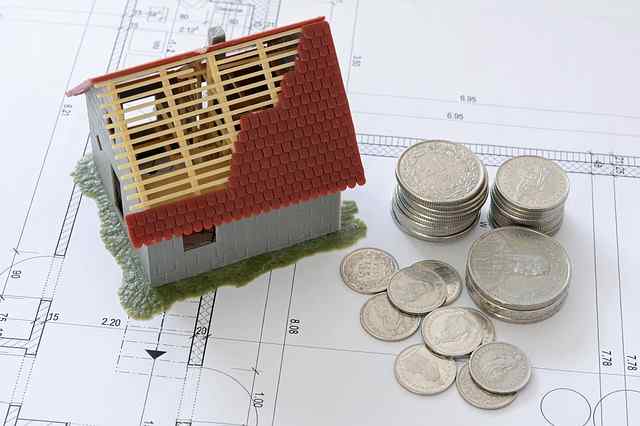
HUD home improvement grants are not normally checks sent directly from the U.S. Department of Housing and Urban Development to individual homeowners. Instead, HUD funds programs such as the Community Development Block Grant (CDBG) and the HOME Investment Partnerships Program (HOME), which states, cities, counties, and participating housing organizations can use for eligible housing rehabilitation. The exact assistance may be a grant, forgivable loan, deferred loan, low-interest loan, or direct repair program, depending on the local program.
Important 2026 update: If you are searching for “free HUD home improvement grants,” do not assume HUD itself has a nationwide homeowner grant application. Your best starting point is the local government or housing agency administering HUD-funded programs in your area.
HUD Home Improvement Grants: What Homeowners Should Know in 2026
Homeowners often search for HUD home improvement grants when they need help with a leaking roof, unsafe electrical wiring, plumbing damage, structural problems, accessibility modifications, or other serious home repairs.
The important point is that HUD usually works through state and local governments and participating jurisdictions. A homeowner generally does not submit a CDBG application to HUD in Washington, D.C. Instead, the homeowner applies through the local program that received and administers the HUD funding.
This distinction makes the HUD cluster different from the broader complete guide to home improvement grants for homeowners. That broader pillar compares many federal, state, local, and nonprofit options. This page focuses specifically on HUD-funded housing rehabilitation and HUD-backed repair financing, including where homeowners should look, what may qualify, and how CDBG, HOME, Title I, and 203(k) differ.
The simplest way to remember the HUD system:
HUD funding → State/local government or participating jurisdiction → Local housing program → Eligible homeowner.
What “HUD Home Improvement Grants” Actually Means
The phrase HUD home improvement grants is commonly used online as a general term for housing repair assistance connected to HUD programs. It does not mean that every homeowner can request a free check directly from HUD.
The U.S. Department of Housing and Urban Development (HUD) administers major housing and community-development programs. Some of those programs provide funding to states, cities, counties, and other participating jurisdictions. Those recipients then design local programs according to federal rules and local housing needs.
The most important HUD funding sources for homeowners looking for repair assistance are the Community Development Block Grant (CDBG) program and the HOME Investment Partnerships Program (HOME).
The form of assistance is determined locally. A homeowner could encounter:
- A direct repair program where an agency arranges eligible work.
- A grant that does not require repayment when all program conditions are satisfied.
- A deferred or forgivable loan.
- A low-interest rehabilitation loan.
- A combination of public and private funding.
Warning: Never assume that the word “HUD” means the assistance is automatically free. Read the local program’s award agreement carefully. Some HUD-funded programs use loans, liens, repayment requirements, resale restrictions, or continued-occupancy conditions.
Community Development Block Grant Home Repair Assistance
The Community Development Block Grant (CDBG) program is one of the most important HUD programs to investigate when you need help with home rehabilitation.
According to the official CDBG guidance, eligible activities can include rehabilitation of residential structures. CDBG-funded activities must also meet one of the program’s national objectives, including benefiting low- and moderate-income people, addressing slums or blight, or responding to certain urgent community-development needs.
Most importantly for homeowners, HUD states that it does not provide CDBG assistance directly to individuals. Homeowners must contact their local municipal or county officials to learn how CDBG operates in their community.
What this means for you: Search for your city’s or county’s owner-occupied rehabilitation, housing rehabilitation, emergency repair, or CDBG home repair program rather than searching for a federal “CDBG homeowner application” on HUD.gov.
| CDBG feature | What it means for homeowners |
| Federal source | HUD |
| Direct homeowner application to HUD? | No. HUD says CDBG assistance is not provided directly to individuals. |
| Typical administrator | City, county, state, or another eligible local government recipient. |
| Possible repair activity | Residential rehabilitation and other eligible community-development activities. |
| Income focus | CDBG has national-objective requirements, and local programs commonly target low- and moderate-income households. |
| Award type | Depends on the local program and can include grants, loans, deferred assistance, or direct repair services. |
The official HUD CDBG rules also allow certain energy-conservation and water-efficiency improvements as eligible activities when the local program and federal requirements permit them.
If your main concern is finding a program for a low-income household, you can also compare the options in home repair grants for low-income families. That page covers the broader federal and local landscape, while this article concentrates on the HUD side.
HOME Investment Partnerships Program for Homeowner Rehabilitation
The HOME Investment Partnerships Program (HOME) is another major HUD program that can support housing rehabilitation.
The official HOME explains that HOME provides formula grants to states and localities for affordable housing activities, including rehabilitation. Participating jurisdictions may structure HOME assistance as grants, direct loans, loan guarantees, or other forms of credit enhancement.
For owner-occupied rehabilitation, HUD’s current HOME guidance also recognizes homeowner rehabilitation as an eligible activity. The homeowner must meet the applicable income and occupancy rules, while the participating jurisdiction establishes the local program structure.
| HOME requirement or feature | What homeowners should understand |
| Who receives federal funds? | States and participating local jurisdictions receive HOME allocations. |
| Can HOME support rehabilitation? | Yes. Housing rehabilitation is an eligible HOME activity. |
| Can existing homeowners receive assistance? | Yes, eligible owner-occupied rehabilitation can be supported by participating jurisdictions. |
| Income rule | HOME homeownership assistance generally targets households at or below 80% of HUD-adjusted area median income, with specific rehabilitation rules applying. |
| Is HOME always free? | No. Local jurisdictions may use grants, loans, deferred loans, or other permitted assistance structures. |
| Who applies the local rules? | The participating jurisdiction administering the HOME-funded program. |
This is why two homeowners in different cities can receive very different assistance even though both programs are connected to HOME. Local housing needs, funding availability, property standards, income rules, repayment terms, and local priorities can differ.
CDBG vs HOME for Home Repairs
CDBG and HOME are both HUD programs, but they are not interchangeable. Understanding the distinction helps you ask the right questions when contacting a housing department.
| Comparison | CDBG | HOME |
| Main purpose | Community development and eligible activities benefiting communities and low- and moderate-income people. | Affordable housing creation, preservation, rehabilitation, and related housing activities. |
| Home rehabilitation | Eligible when the activity meets CDBG rules and a national objective. | Eligible through participating jurisdictions under HOME rules. |
| Direct federal homeowner application | No. | No single nationwide homeowner application; local participating jurisdictions administer programs. |
| Assistance form | Local program determines the form. | Can include grants, loans, loan guarantees, or other permitted forms. |
| Best starting point | City, county, or state community-development office. | City, county, state housing department, or participating jurisdiction. |
Application tip: When you call your local housing department, ask specifically: “Do you have an owner-occupied rehabilitation program funded through CDBG or HOME?” That question is much more precise than simply asking whether the city has “HUD grants.”
HUD Home Repair Loans That Are Not Grants
Another major source of confusion is the difference between HUD-funded grants and HUD-insured financing. HUD has programs that help homeowners finance improvements, but those products are loans and must be treated differently from grants.
FHA Title I Property Improvement Loans
The Title I Property Improvement Loan Program allows participating private lenders to make loans for property improvements that are insured by HUD. Eligible improvements can include alterations, repairs, and site improvements to single-family homes, multifamily structures, and certain manufactured homes.
The official Title I Insured Programs (Title I) information makes clear that this is a loan program. It is not free grant money.
Homeowners considering financing should also review HUD’s official Fixing Up Your Home and How to Finance It (HUD home-financing guidance) before accepting loan terms.
FHA Limited 203(k) Rehabilitation Mortgage
The FHA Limited 203(k) Rehabilitation Mortgage is another financing option, not a grant. As of 2026, HUD states that homeowners and homebuyers can finance up to $75,000 into a Limited 203(k) mortgage for eligible repairs, improvements, and upgrades.
Eligible work can include minor remodeling and non-structural repairs. The 203(k) Rehabilitation Mortgage Insurance Program Types (203(k)) page also explains the difference between the Limited and Standard 203(k) programs.
Standard 203(k) Rehabilitation Mortgage
The Standard 203(k) is designed for major rehabilitation and repair projects. HUD states that the rehabilitation cost must be at least $5,000, while the total property value must remain within the applicable FHA mortgage limit for the area.
Because both 203(k) products involve mortgage financing, they should never be presented to readers as “free HUD grants.”
| Program | Grant or loan? | Primary use |
| CDBG local rehabilitation | Depends on local program. | Community-based housing rehabilitation and other eligible activities. |
| HOME owner-occupied rehabilitation | Depends on local program structure. | Rehabilitation of eligible owner-occupied housing. |
| FHA Title I | Loan. | Property improvements and repairs. |
| FHA Limited 203(k) | Mortgage financing. | Minor remodeling and non-structural repairs; up to $75,000 may be financed under current HUD rules. |
| FHA Standard 203(k) | Mortgage financing. | Major rehabilitation and repair. |
Who May Qualify for HUD-Funded Home Repair Assistance
There is no single nationwide HUD homeowner income limit that automatically qualifies everyone for a repair grant. Eligibility depends on the specific program and the local agency administering it.
However, several factors commonly appear in HUD-funded rehabilitation programs.
| Eligibility factor | What the agency may check |
| Income | Household income compared with the program’s applicable HUD or local income limit. |
| Ownership | Whether the applicant legally owns the property or has an accepted ownership interest. |
| Primary residence | Whether the homeowner actually occupies the property as the principal residence when required. |
| Property condition | Health, safety, structural, code, accessibility, or rehabilitation needs. |
| Property standards | Local code, rehabilitation standards, inspection requirements, and other applicable rules. |
| Occupancy or resale requirements | Some programs may impose continued occupancy, lien, repayment, or affordability requirements. |
For a broader explanation of who can qualify for home repair assistance, including income, ownership, occupancy, and repair requirements, see our home repair grants eligibility guide. Homeowners who need help finding the right program can also use our home repair program finder to identify possible starting points before contacting the responsible agency.
What Home Repairs May Be Covered
HUD-funded rehabilitation programs are generally more interested in health, safety, structural stability, habitability, accessibility, and preservation of housing than cosmetic remodeling.
Exact eligible work is always determined by the local program, inspection findings, property standards, and funding source.
| Repair category | Examples that may qualify | Typical reason for review |
| Roof | Roof leaks, deteriorated roofing, weather-related damage. | Water intrusion and protection of the structure. |
| Electrical | Unsafe wiring, electrical hazards, required system repairs. | Fire and electrical safety. |
| Plumbing | Leaks, failing pipes, unsafe plumbing conditions. | Health, sanitation, and property protection. |
| Structural | Foundation, walls, floors, ceilings, or other serious defects. | Structural stability and habitability. |
| Accessibility | Ramps, rails, doorway modifications, bathroom accessibility. | Safe use of the home and independent living. |
| Energy-related repairs | Certain insulation, doors, windows, heating, or energy-conservation work. | Energy conservation when allowed by the specific program. |
| Cosmetic remodeling | Decorative upgrades without a health, safety, accessibility, or rehabilitation purpose. | Often lower priority or ineligible. |
If your main problem is a roof, compare the broader roof replacement assistance programs before assuming a HUD program is the best fit. You can also review federal and state roof replacement programs for alternatives.
For homeowners dealing specifically with a leaking roof and bathroom safety needs, the leaky-roof and bathroom repair assistance guide provides a more focused comparison.
Housing Repair Problems Supported by Current Statistics
The need for housing rehabilitation is not theoretical. The 2023 American Housing Survey (AHS), sponsored by HUD and conducted by the U.S. Census Bureau, collected extensive information about housing quality across occupied homes.
2023 housing-quality snapshot: Among 133.2 million occupied housing units surveyed in the 2023 AHS, 11.8 million reported water leakage from outside, 11.2 million reported water leakage from inside, 7.2 million had open cracks or holes, 3.7 million had exposed wiring, and 4.1 million had a broken window.
| 2023 AHS housing condition | Occupied housing units affected |
| Water leakage from outside | 11.8 million |
| Water leakage from inside | 11.2 million |
| Open cracks or holes | 7.2 million |
| Exposed wiring | 3.7 million |
| Broken window | 4.1 million |
| Mold reported in previous 12 months | 3.9 million |
These figures help explain why housing rehabilitation programs often prioritize repairs that protect the structure and the people living inside it. The official U.S. Census Bureau 2023 Housing Quality data (AHS) provides the underlying information.
How to Find HUD Home Repair Assistance in Your Area
Finding the correct local program is the most important step because HUD-funded repair assistance is decentralized.
Start with your city or county housing department
Search your official city or county website for phrases such as owner-occupied rehabilitation, housing rehabilitation, emergency home repair, CDBG homeowner repair, and HOME rehabilitation.
Ask whether CDBG or HOME funds are involved
When speaking with an agency, ask whether its homeowner repair program receives CDBG or HOME funding. This helps identify the exact funding stream and avoids confusion with unrelated home-improvement loans.
Check your state’s housing agency
State CDBG programs can serve eligible non-entitlement communities, while states can also participate in HOME. If your city does not operate its own program, the state housing agency may be able to identify the relevant local administrator.
For a broader starting point across repair programs, you can also use the site’s home repair program finder when available, then verify the actual program with the responsible government agency.
Use HUD’s local office directory
The official HUD Local Office Directory (local HUD offices) can help you identify the HUD office serving your state. HUD also maintains a network of participating housing counseling agencies that can help homeowners understand housing-improvement and rehabilitation options.
Consider a HUD-approved housing counselor
The official HUD Housing Counseling Services (housing counselor search) allows homeowners to search by ZIP code or state. HUD says its participating agencies can provide home-improvement and rehabilitation counseling.
Best search sequence: City/county housing department → state housing agency → CDBG/HOME program administrator → HUD housing counselor → HUD local office if additional clarification is needed.
HUD Home Improvement Grant Application Checklist
Prepare your documents before contacting the local agency. Requirements vary, but the following checklist covers the information commonly requested during housing-rehabilitation applications.
Application checklist
- ☐ Proof of homeownership or accepted ownership interest
- ☐ Proof that the property is your primary residence, when required
- ☐ Recent income documentation for all required household members
- ☐ Government-issued identification
- ☐ Property tax or assessment records if requested
- ☐ Mortgage or lien information if requested
- ☐ A written description of the repairs needed
- ☐ Photographs of serious repair problems
- ☐ Contractor estimates if the local program requires them
- ☐ Disability or accessibility documentation when applicable
- ☐ Insurance information when the repair involves an insured loss
- ☐ Any additional forms required by the local housing agency
Do not start major work before receiving written instructions from the program. Some assistance programs require an inspection and approval before a contractor begins work.
Do not make this mistake: Hiring a contractor and beginning the entire project before the housing agency approves the work can create eligibility problems. Always ask whether pre-approval, inspection, contractor approval, permits, or written authorization is required.
HUD Assistance for Seniors, Disabled Homeowners, Veterans, and Low-Income Families
HUD does not have one universal repair grant reserved for every senior, veteran, disabled homeowner, or single parent. However, local programs may establish priorities or eligibility categories that benefit households with greater housing needs.
Seniors
Older homeowners may encounter local programs focused on accessibility, emergency repairs, aging-in-place improvements, or low-income housing rehabilitation. For broader senior-focused repair options, see our home improvement grants for seniors guide.
Disabled homeowners
Accessibility can be an important part of housing rehabilitation. Depending on the local program, modifications may include ramps, grab bars, doorway changes, accessible bathrooms, handrails, or other improvements that make the home safer.
Homeowners who need accessibility-focused repairs can also review our bathroom accessibility assistance guide for disabled homeowners when the repair involves an accessible bathroom or related safety modification.
Veterans
Veterans should not rely only on HUD when looking for home modifications. The Department of Veterans Affairs operates separate disability housing grants for eligible veterans and service members with qualifying service-connected disabilities.
The official U.S. Department of Veterans Affairs Disability Housing Grants (VA housing grants) page explains current SAH and SHA eligibility. For FY 2026, VA states that the maximum SAH amount is $126,526 and the maximum SHA amount is $25,350 for eligible applicants.
Veterans who want to compare HUD-related housing assistance with federal VA programs can review our federal and state home repair grants for veterans guide.
Low-income families
Income is frequently important in local housing-rehabilitation programs. However, the exact income limit depends on the funding source and local program.
Low-income homeowners should first verify the income limit used by the specific local program rather than relying on a nationwide figure. If you need help preparing a stronger application, see our guide to applying for home repair grants, which explains the documents, eligibility checks, inspections, and common application mistakes that can affect approval.
Single parents looking for additional options can also review home repair assistance for single mothers.
Homeowners searching specifically for Hispanic-focused assistance can also review home repair programs for Hispanic homeowners, while remembering that eligibility ultimately depends on the actual program rather than ethnicity alone.
HUD Home Improvement Grants vs Other Federal Repair Programs
HUD is important, but it is not the only federal source of home repair assistance. A homeowner should compare programs based on the location, repair type, income, age, disability status, rural eligibility, veteran status, and cause of damage.
| Program | Agency | Best fit | Direct homeowner route? |
| CDBG | HUD | Local housing rehabilitation and community-development programs. | Through the local administrator, not directly through HUD. |
| HOME | HUD | Affordable housing and eligible homeowner rehabilitation. | Through a participating jurisdiction or its program partner. |
| Section 504 | USDA Rural Development | Very-low-income rural homeowners; grants are for eligible homeowners age 62+ with qualifying needs. | Yes, through USDA Rural Development. |
| WAP | U.S. Department of Energy | Low-income energy-efficiency and health-and-safety improvements. | Through state and local weatherization providers. |
| SAH/SHA | Department of Veterans Affairs | Eligible veterans and service members with qualifying service-connected disabilities. | Yes, through VA. |
| FEMA IHP | FEMA | Eligible disaster-caused home damage following qualifying declarations. | Yes, when the disaster and applicant qualify. |
USDA Section 504 for rural homeowners
The USDA Single Family Housing Repair Loans and Grants Program (Section 504) is especially important when a homeowner lives in an eligible rural area.
Current USDA information states that the program can provide loans of up to $40,000 and grants of up to $10,000. The grant portion is for eligible homeowners age 62 or older and is intended to remove health and safety hazards. USDA also states that grants may have repayment requirements if the property is sold within three years.
This is an important example of why “grant” does not always mean “no conditions.” Always read the official award terms.
Weatherization Assistance Program
The U.S. Department of Energy Weatherization Assistance Program (WAP) focuses on reducing energy costs while improving health and safety in low-income households. DOE says WAP is administered through states and local providers.
If your primary problem is insulation or energy efficiency, the site’s home insulation costs and grants guide can help you compare options.
VA disability housing grants
Eligible veterans with qualifying service-connected disabilities may have access to SAH or SHA assistance. These programs can support home adaptations such as ramps and widened doorways.
FEMA disaster repair assistance
When damage is caused by a qualifying federally declared disaster, FEMA’s Individuals and Households Program may provide home repair assistance for eligible owner-occupied primary residences. The damage must meet FEMA’s disaster-related eligibility rules and other conditions.
Do not choose a program by name alone. If your roof was damaged by a hurricane, FEMA may be more relevant than a normal HUD rehabilitation program. If your home is rural and you are 62 or older with very-low income, USDA Section 504 may be more appropriate. If the primary problem is energy efficiency, WAP may be a better starting point.
How to Apply for HUD Home Improvement Assistance
The following seven-step process is designed to keep the application focused on the actual local program instead of the misleading idea of a single nationwide HUD repair-grant application.
Check your homeowner and income status
Confirm that you own the property, occupy it when required, and fall within the local program’s income requirements. Ask the agency for its current income limits rather than relying on a generic number found online.
Document the repair problem
Take clear photographs and write down what is wrong, when the problem started, and how it affects safety, health, accessibility, or habitability.
Find the local HUD-funded program
Contact your city, county, or state housing agency and ask about CDBG or HOME owner-occupied rehabilitation programs.
Complete the requested documentation
Provide income, ownership, identification, occupancy, property, insurance, and repair documents as requested.
Allow the required inspection
Many rehabilitation programs inspect the property before deciding which repairs qualify. The inspection may determine the order and scope of eligible work.
Review the award terms before signing
Check whether the assistance is a grant, forgivable loan, deferred loan, or another form of financing. Look specifically for liens, repayment triggers, resale requirements, occupancy requirements, contractor rules, and project deadlines.
Complete only approved work
Use the contractor and repair process required by the program. Keep contracts, permits, invoices, receipts, inspection records, and photographs until the agency confirms the project is complete.
Best practice: Keep one folder—digital or paper—with every application, award letter, inspection report, contractor document, invoice, photograph, and communication. This makes it easier to answer questions and protect yourself if a repayment or compliance issue arises later.
Seven Questions to Ask the Local Housing Agency
When you contact a local program, these questions can save time and prevent confusion.
- Does your agency operate an owner-occupied rehabilitation program?
- Is the program funded by CDBG, HOME, state funds, or another source?
- Is the assistance a grant, forgivable loan, deferred loan, or regular loan?
- What income limit applies to my household size?
- Does my property qualify based on location, age, ownership, and occupancy?
- Which repairs are eligible after inspection?
- Are there liens, repayment rules, resale restrictions, or occupancy requirements?
If the local office does not have a current program, ask whether it knows which agency administers CDBG or HOME rehabilitation funds in the area.
Frequently Asked Questions About HUD Home Improvement Grants
Does HUD give home repair grants directly to homeowners?
Generally, no. HUD states that CDBG assistance is not provided directly to individuals. HUD-funded programs are generally administered through states, cities, counties, and other participating entities. Homeowners apply through the local program that administers the assistance.
Are HUD home improvement grants really free?
Some local HUD-funded programs may provide assistance that does not require repayment when all conditions are satisfied, but not every HUD-related repair program is a grant. CDBG and HOME assistance can be structured differently by the local administrator, and HUD’s Title I and 203(k) programs are financing products rather than free grants.
Can CDBG pay for home repairs?
Yes. HUD lists rehabilitation of residential structures as an eligible CDBG activity. However, the local activity must meet applicable CDBG requirements, and HUD does not provide CDBG assistance directly to individual homeowners.
Can HOME funds be used for owner-occupied home repairs?
Yes. HOME can support eligible owner-occupied rehabilitation through participating jurisdictions. The homeowner must satisfy the applicable federal and local requirements, including income and occupancy rules where applicable.
Is FHA Title I a home improvement grant?
No. FHA Title I Property Improvement Loans are loans. HUD insures participating lenders against loss on qualifying property-improvement loans, but the homeowner must repay the borrowed money according to the loan agreement.
How much can the FHA Limited 203(k) provide for repairs?
HUD’s current 203(k) information states that the Limited 203(k) allows homebuyers and homeowners to finance up to $75,000 into the mortgage for eligible repairs, improvements, or upgrades. It is mortgage financing, not a grant.
What should I do if there is no HUD repair program in my city?
Ask the city or county whether the state administers the relevant CDBG or HOME funds. You can also check HUD’s housing counseling network and compare other federal programs such as USDA Section 504, DOE WAP, VA housing grants, or FEMA disaster assistance when applicable.
Why This HUD Home Improvement Guide Is Trusted
Last Updated: August 13, 2026
Reviewed By: Home Property Grants Editorial Team
- Official-source verification: Program descriptions and key distinctions were checked against current HUD, USDA, DOE, VA, FEMA, and U.S. Census Bureau information where applicable.
- Program separation: CDBG and HOME funding are distinguished from HUD-insured loan products such as Title I and 203(k).
- Local administration explained: The guide clearly explains that homeowners generally apply through the local agency administering HUD-funded assistance rather than sending a CDBG homeowner application directly to HUD.
- Current 2026 information: The article reflects the current Limited 203(k) $75,000 maximum and current FY 2026 VA disability housing grant amounts referenced above.
- Applicant-focused guidance: The article emphasizes practical documents, inspections, award terms, repayment conditions, and questions homeowners should ask before accepting assistance.
Important verification rule: HUD-funded programs are local and funding can open, close, change income limits, or change application procedures. Always confirm the current requirements with the administering government agency before spending money or beginning repairs.
Final Thoughts on HUD Home Improvement Grants in 2026
HUD home improvement assistance can be valuable for homeowners who need critical repairs but cannot afford the full cost themselves. The key is understanding how HUD funding actually reaches homeowners.
CDBG and HOME are not simple nationwide homeowner grant applications. They are federal funding programs administered through participating jurisdictions and local housing programs. The local agency determines how eligible assistance is delivered within federal and local rules.
For that reason, the most effective approach is to identify the local owner-occupied rehabilitation program, verify the funding source, confirm the income and property requirements, document the repair need, and understand whether the award is a grant or a form of financing.
If your situation does not fit a HUD-funded program, compare USDA Section 504 for eligible rural homeowners, the Department of Energy’s Weatherization Assistance Program for energy improvements, VA housing grants for eligible veterans with qualifying disabilities, or FEMA assistance when damage resulted from a qualifying disaster.
The goal is not simply to find something labeled a “HUD grant.” The goal is to find the correct housing-repair program for your property, income, repair needs, and location and verify its current terms before beginning work.

Arthur Pendelton is a senior housing policy researcher and public welfare analyst with over eight years of experience tracking federal, state, and non-profit residential repair programs. He specializes in statutory grant frameworks, including USDA Section 504 Rural Housing, the Department of Energy’s Weatherization Assistance Program (WAP), and municipal HUD Community Development Block Grants (CDBG). Arthur systematically audits Federal Register publications and Title 7/42 CFR regulatory updates to provide low-income homeowners, seniors, and military veterans with accurate, barrier-free application guidance.
Please help me with home repairs especially windows these windows are from 1968
please help me with home improvement
I have window from 1931 and the storm windows are from 1990
Pleas help . am 65 years of age and not able to do a lot as I once was. I am in need of a new roof the home was belted in the late 60s and has not had a food on it .am in real need of a new roof bad. any help would be much thankful.