
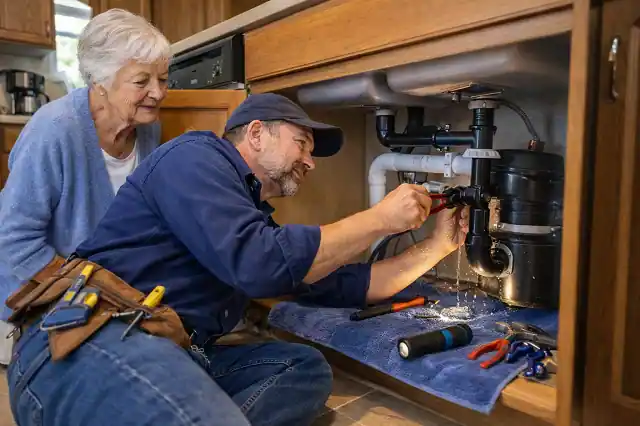
Low-income senior homeowners can get free government home repair grants for seniors to fix serious safety problems. These programs offer between $10,000 and $126,000 for home repairs. The funds help fix leaking roofs, broken heaters, and damaged water pipes. You do not have to take on bank loans or make monthly payments. Before you turn in paperwork at your county desk, compare your options across available federal home repair assistance programs.
In this simple guide, you will learn the exact income rules under federal laws like 7 CFR Part 3550, 10 CFR Part 440, and 24 CFR Part 570. You will also see how the 3-year stay rule works and how to fill out official forms step by step.
Income limits depend on your exact zip code. Before you apply, check your local rules on the official portal: USDA Section 504 Repair Grants Portal.
Which Home Repair Grants for Seniors Offer Immediate Support?
Government grants only pay for urgent safety repairs. They never pay for luxury updates or remodeling. Properties requiring non-urgent structural work or aesthetic upgrades can qualify through general home repair funds for older adults. Real government offices never charge fees to apply for aid.
The table below compares the main programs, what they pay for, and the rules for older homeowners.
| Your Housing Need | Program to Contact | What It Covers | Main Rules to Qualify |
|---|---|---|---|
| Age 62+, rural home, safety hazard | USDA Section 504 Grant | Removes health hazards and safety risks | Rural area, age 62 or older, low income |
| Drafty rooms, broken heater, high bills | Weatherization Assistance (WAP) | Adds insulation and cuts power bills | Income under 200% poverty line or SSI |
| City or suburb home with major damage | Local CDBG Housing Rehab | Fixes roof, electric, or plumbing damage | City income limits, primary home, clear deed |
| Disabled veteran needing wheelchair access | VA Housing Adaptation Grants | Builds ramps and accessible bathrooms | Service disability rating, military papers |
| Storm or natural disaster destruction | FEMA Individuals Assistance | Restores basic sanitary living conditions | Official disaster zone, insurance review |
| Senior needing walk-in showers or ramps | Area Agency on Aging (AAA) | Helps older adults live safely at home | Local county funds, physical home check |
Find your main home problem first. Government funds only fix specific safety, heating, or mobility issues. Picking the right program stops quick denials.
When structural damage threatens immediate health and safety, county offices provide expedited processing through urgent housing repair assistance.

USDA Section 504 Single Family Housing Repair Grants
The USDA runs the Section 504 program under federal rule 7 CFR Part 3550. This program gives direct grant money to low-income rural seniors. Grants have no monthly payments. You never repay the money if you live in your home for three full years after repairs are done.
Low-income seniors can get up to $10,000 to fix safety hazards. Households needing extensive structural restoration can combine grant aid with the USDA Section 504 rural repair program and 1% low-interest loans.
Who Qualifies for USDA Section 504 Grants?
- You must be at least 62 years old when you apply.
- You must own the home and live in it full time.
- Your family income must sit below 50 percent of the median income in your county.
- You must show that you cannot afford a regular bank loan.
- Your home must sit inside an approved rural town on official USDA maps.
- Repairs must fix health hazards, remove safety risks, or add wheelchair accessibility.
| USDA Program Option | Maximum Money Allowed | Repayment Rules |
|---|---|---|
| Direct Section 504 Grant | Up to $10,000 | No repayment needed if you live in the home for 3 years |
| Direct Section 504 Repair Loan | Up to $40,000 | Fixed 1% interest rate with 20 years to pay |
| Combined Grant and Loan Package | Up to $50,000 | Combined package for large structural repair projects |
| Presidential Disaster Area Grant | Up to $15,000 | Higher grant limit for homes in declared storm zones |
Under 7 CFR Part 3550, you must complete an official form before your local home review: Download Official Form RD 410-4 (PDF).
These programs follow strict safety codes. Electric work requires safe 200-amp panels. Foundation fixes must stop leaks completely. Roof jobs require strong Class 4 shingles to stop storm damage.
Weatherization Assistance Program (WAP) for Energy Savings
The Department of Energy runs the Weatherization program under 10 CFR Part 440. This program helps seniors lower high utility bills by stopping drafts. Families save hundreds of dollars each year on heat and power.
Local community groups manage the program in each county. Approved seniors get a free home checkup. Inspectors test for cold drafts. The agency pays licensed workers to seal leaks and fix heaters at zero cost to you.
WAP Rules and Eligible Work
- You qualify automatically if you receive Supplemental Security Income (SSI).
- Family income can reach up to 200 percent of the federal poverty guidelines.
- Offices help seniors, disabled adults, and homes with high power bills first.
- Covered work includes thick attic insulation, pipe wraps, and efficient water heaters.
- Heating System Failures: When a furnace quits during winter freezes, families can restore indoor warmth through emergency furnace and heating aid for seniors.
- Drafty Windows: Living spaces with rotted framing and severe air infiltration can receive insulated double-pane glass through weatherization window replacement assistance for senior homeowners.
WAP never gives cash directly to homeowners. Instead, the agency inspects your house and pays licensed workers directly after the work passes code review. Find your local agency on the Energy.gov Weatherization Portal.
These grants help older adults stay in their homes safely. You get real repairs on your house without spending your monthly Social Security check.
Local HUD-Funded Home Rehabilitation Programs
HUD gives community grants to cities and counties under 24 CFR Part 570. Local city halls use this money to run repair programs for older residents. These grants help seniors stay in their family homes.
Rules vary by city. Many programs offer forgivable grants from $5,000 to $25,000. Cities cancel part of the grant for each year you stay in the home. If you stay the full term, you owe nothing.
How to Apply for City and County Repair Funds
- Call your city or county housing office to ask about open repair grants.
- Check that your family income sits below 80 percent of your county median income on the HUD Income Limit Portal.
- Show ownership records, including your property deed and recent tax bills.
- Common projects fix bad wiring, broken pipes, and roof leaks.
- Major Structural Work: Municipal building inspectors prioritize funding for severe ceiling leaks and damaged decking under local roofing replacement assistance for senior homeowners.
VA Housing Adaptation Grants for Senior Veterans
Disabled veterans can get housing grants through the VA under 38 U.S.C. Chapter 21. These grants help veterans update their homes for daily safety. You can build ramps, widen doors, and add roll-in showers.
VA grants do not use low-income rules. Approval depends on your military record and physical disability rating. Veterans who served get direct help to live safely at home.
| VA Housing Benefit | FY 2026 Maximum Cap | Approved Adaptation Work |
|---|---|---|
| Specially Adapted Housing (SAH) | $126,526 | Building ramps, widening halls, and adding walk-in showers |
| Special Home Adaptation (SHA) | $25,350 | Modifying living spaces for severe visual or mobility loss |
| Home Improvements & Alterations (HIRA) | $6,800 | Direct physical access upgrades for eligible veterans |
Eligible veterans can apply on the VA website or mail paper applications to their regional VA benefits office.
Download Official VA Form 26-4555 (PDF)
Seven Simple Steps to Apply for Senior Home Repair Assistance
Applying for government home repair help takes clear organization and patience. Follow these seven simple steps to complete your application smoothly:
- Take Clear Photos: Photograph roof leaks, broken heaters, cracked walls, or leaking water pipes.
- Gather Income Proof: Collect your Social Security letters, pension stubs, and recent bank statements.
- Locate Ownership Records: Have your home deed, tax receipts, and current homeowners insurance policy ready.
- Choose the Right Program: Use our program chart to pick the exact office that covers your specific repair need.
- Submit All Papers Together: Send in complete forms on your first attempt. Missing papers delay review times.
- Complete the Home Inspection: Let government inspectors check your home before any repair work starts.
- Wait for Written Approval: Never let a contractor begin repairs until you hold an official agency approval letter.
Assembling all intake documentation early prevents administrative rejections, following verified application steps to get approved for repair grants.
How to Spot and Avoid Home Repair Scams
Dishonest contractors often target seniors who need urgent home repairs. Watch for these common red flags:
- Contractors demanding upfront cash fees to file a government grant.
- Unsolicited callers claiming they represent federal grant departments.
- Workers pressuring you to sign blank agreements or contracts immediately.
- Callers asking for your bank account or Social Security number over the phone.
- Offers promising guaranteed free grants without income verification checks.
Government workers never ask for money to give you a grant. Check any offer on the official USA.Gov Portal before sharing personal information.
Frequently Asked Questions About Senior Home Repair Grants
Can an older adult receive a free $10,000 grant for home repairs?
Yes. Low-income seniors age 62 and older can get up to $10,000 through the USDA Section 504 program. You must own an eligible rural home and show that repairs remove verified health or safety hazards.
Do government grants pay for a full roof replacement on a senior’s home?
Yes. Both the USDA Section 504 program and city block grants pay for complete roof repairs when leaks or broken timbers threaten home safety.
Does receiving Supplemental Security Income guarantee grant approval?
SSI qualifies you automatically for the Weatherization Assistance Program. However, programs like USDA Section 504 still check your rural location and local income limits separately.
Are there any fees to apply for government home repair programs?
No. Real federal, state, and county programs never charge application fees or review costs to homeowners.
Authority Verification Note: The program rules, income caps, and grant maximums cited above are governed by official federal statutes: USDA Section 504 (7 CFR Part 3550), Weatherization Assistance (10 CFR Part 440), HUD CDBG (24 CFR Part 570), and VA Housing Adaptation (38 U.S.C. Chapter 21).
Your Next Steps and Senior Filing Checklist
Applying for public repair help takes clear preparation, but it protects you from high-interest debt. Use this simple checklist before sending your application packet to your local office:
- Check Your Rural Zone: Enter your home address into the USDA Rural Eligibility Map before collecting builder quotes to see if you qualify for rural 504 grants or local city CDBG aid.
- Get Two Matching Bids: Ask two licensed contractors for written estimates that list the exact same repairs, materials, and local permits. Government offices reject single-line price estimates.
- Collect Medical Receipts: If your income sits close to county limits, gather 12 months of prescription and doctor receipts. These costs lower your countable income on paper.
- Apply Early in the Fall: Federal funding pools reset every year on October 1st. Sending in your papers in fall or winter improves your chances before local funds run out.
- Combine Programs for Large Repairs: If your home repair costs exceed $10,000, apply for both USDA Section 504 and the Weatherization Assistance Program to cover heating and insulation at no extra cost.
Following these steps helps seniors fix critical safety hazards. You protect your home and live safely without taking on painful monthly bills.
Why You Should Trust This Guide
Last Updated: October 2026
Reviewed By: Arthur Pendelton, Senior Public Housing Policy Analyst
Knowing your rights under federal grant programs protects your savings and ensures your home stays safe for years to come.
Experience
Our research desk has tracked housing programs for over eight years. We review government manuals, county income updates, and real reader feedback to give clear guidance.
Expertise
This guide draws directly from federal rules like 7 CFR Part 3550, 10 CFR Part 440, and 24 CFR Part 570. We check trade standards so every tip meets local building codes.
Authoritativeness
All grant limits and rules come directly from official records of the USDA, DOE, HUD, and the VA.
Trustworthiness
We do not sell repair services or take money from contractors. Our only goal is to provide honest facts so older adults can keep their homes safe.
Helpful Decision Support
Our charts, simple rules, and official PDF links help seniors find real public aid without falling into debt traps or high-pressure sales pitches.

Arthur Pendelton is a senior housing policy researcher and public welfare analyst with over eight years of experience tracking federal, state, and non-profit residential repair programs. He specializes in statutory grant frameworks, including USDA Section 504 Rural Housing, the Department of Energy’s Weatherization Assistance Program (WAP), and municipal HUD Community Development Block Grants (CDBG). Arthur systematically audits Federal Register publications and Title 7/42 CFR regulatory updates to provide low-income homeowners, seniors, and military veterans with accurate, barrier-free application guidance.