
Featured Snippet: Texas roof replacement grants for low-income families in 2026 may help eligible homeowners pay for emergency roof repairs or full roof replacement through federal programs, Texas housing agencies, nonprofit organizations, and local county assistance. Programs such as USDA Section 504 Home Repair, HUD-funded housing rehabilitation, FEMA disaster relief, and local repair grants may provide financial help depending on income, roof condition, age, disability, veteran status, and location.
A damaged roof can quickly turn into one of the most expensive home problems for Texas families. Strong storms, hail, hurricanes, tornadoes, extreme summer heat, and aging roofing systems make roof damage very common across the state. Unfortunately, many homeowners cannot afford the high cost of repairs or replacement, especially when a new roof may cost anywhere from $8,000 to $25,000 or more in 2026.
For low-income families, senior citizens, disabled homeowners, and veterans, paying thousands of dollars out of pocket may feel impossible. A leaking roof can also create serious safety risks, including mold growth, electrical hazards, damaged insulation, ceiling collapse, and higher energy bills.
The good news is that financial help may be available. Many Texas roof replacement grants for low-income families in 2026 are designed to help homeowners repair dangerous roofs before problems become worse. Depending on eligibility, families may qualify for free roof replacement grants, emergency roof repair assistance, forgivable home repair loans, nonprofit housing programs, weatherization help, or federal disaster recovery funding.
Programs funded through USDA, HUD, FEMA, Texas housing agencies, nonprofit organizations, and local county governments may help cover part or even all of roofing costs for eligible homeowners.
In this complete guide, you will learn who qualifies for roof replacement assistance in Texas, the best roofing grant programs available in 2026, how to apply successfully, eligibility requirements, emergency repair options, roofing costs, and common mistakes that may delay approval.
Why Texas Roof Replacement Grants Matter in 2026
Roof damage remains one of the most expensive home repair problems for homeowners across Texas. Extreme heat, hailstorms, hurricanes, tornadoes, strong winds, and heavy rain can shorten roof life and cause major damage.
For many families, paying between $8,000 and $25,000 for a roof replacement is not affordable. Unfortunately, delaying repairs often creates bigger problems, such as mold, electrical hazards, insulation damage, ceiling leaks, and structural problems.
That is why Texas roof replacement grants for low-income families in 2026 are becoming more important than ever.
Government agencies, nonprofits, and housing repair organizations now offer grants, forgivable loans, emergency repair help, and low-cost financing to eligible homeowners.
Families needing broader repair support should also review this guide to Texas home repair grants for homeowners, which covers additional housing repair programs beyond roofing assistance.
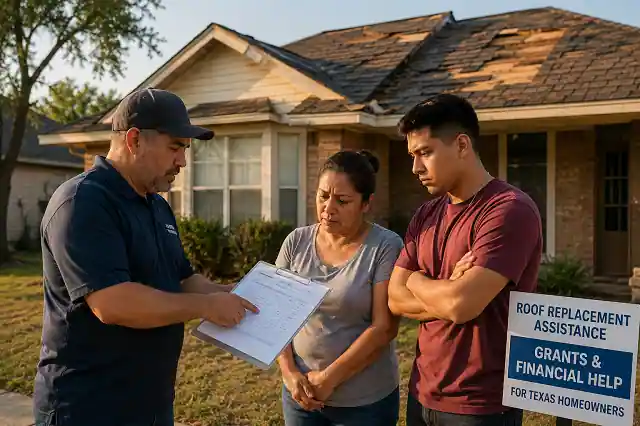
What Are Texas Roof Replacement Grants?
Texas roof replacement grants are financial assistance programs that help homeowners repair or replace unsafe or damaged roofs.
Unlike traditional loans, grants usually do not require repayment if program rules are followed.
These programs may help cover:
- Emergency roof leak repairs
- Full roof replacement
- Storm damage restoration
- Structural roof repairs
- Energy-efficiency improvements
- Critical home safety repairs
Depending on the program, help may come as:
- Free grant money
- Forgivable repair loans
- Low-interest home repair loans
- Emergency housing repair funding
- Local housing rehabilitation assistance
If your home also needs wastewater system repairs, homeowners may qualify for grants for septic system replacement assistance to reduce expensive home repair costs.
Who Qualifies for Roof Replacement Grants in Texas in 2026?
Eligibility requirements vary by program, but many low-income families may qualify if they meet certain conditions.
Low Household Income
Most roofing grant programs prioritize low-income homeowners.
Many programs compare household income with the local Area Median Income (AMI). Families earning below 50% to 80% of AMI often receive priority.
Programs frequently prioritize:
- Low-income families
- Senior citizens
- Disabled homeowners
- Veterans
- Families with children
- Disaster-affected households
Older homeowners may also qualify for extra housing repair help through Texas home repair grants for senior citizens.
Homeownership Requirement
Most programs require applicants to:
- Own the property
- Live in the home full-time
- Show proof of ownership
- Provide tax or mortgage documents
Rental properties generally do not qualify for roof replacement grants.
Serious Roof Damage
Many assistance programs require proof that the roof creates safety risks or unhealthy living conditions.
You may qualify if your roof has:
- Major roof leaks
- Missing shingles
- Storm or hail damage
- Structural problems
- Water damage risks
- Mold caused by leaks
Programs often request:
- Roof inspection reports
- Photos of damage
- Contractor estimates
- Insurance paperwork
Texas Residency
Applicants usually need proof of Texas residency, including:
- Driver’s license
- Utility bills
- Property tax documents
- Mortgage records
Best Texas Roof Replacement Grants for Low-Income Families in 2026
USDA Section 504 Home Repair Program
The USDA Section 504 Home Repair Program remains one of the best options for low-income rural homeowners in Texas.
This program helps eligible homeowners repair health and safety hazards, including damaged roofs.
What it may cover:
- Roof replacement
- Roof leak repair
- Structural home repairs
- Safety-related improvements
Who may qualify:
- Very low-income homeowners
- Families in rural Texas areas
- Homeowners age 62 or older
Some applicants may receive grants, while others qualify for affordable, low-interest repair loans.
Homeowners should also learn about the Section 504 home repair grant program to better understand eligibility and funding rules.
HUD-Funded Housing Rehabilitation Programs
The U.S. Department of Housing and Urban Development (HUD) supports local housing repair programs throughout Texas.
Many cities and counties use Community Development Block Grant (CDBG) funds to help low-income homeowners repair unsafe roofs.
Depending on location, homeowners may qualify for:
- Roof replacement grants
- Emergency repair funding
- Housing rehabilitation support
- Deferred payment loans
Before applying, homeowners should review how to apply for home repair grants successfully to improve approval chances.
Texas Weatherization Assistance Program (WAP)
The Weatherization Assistance Program helps low-income families improve home energy efficiency.
Although not designed mainly for roofing, some homes may qualify for roof-related work if damage affects insulation, ventilation, or energy performance.
Possible improvements may include:
- Insulation upgrades
- Ventilation improvements
- Weather sealing
- Energy-saving home repairs
FEMA Disaster Roof Assistance
If your roof suffered storm damage during a federally declared disaster, you may qualify for housing repair support through FEMA.
Texas homeowners affected by hurricanes, floods, tornadoes, wind damage, hailstorms, or severe weather may qualify for temporary or permanent repair assistance.
FEMA assistance may include:
- Emergency roof tarping
- Temporary housing support
- Basic roof repairs
- Safety-related home repairs
Families recovering after severe damage should also explore hidden home repair grants that many families miss for additional financial help.
Texas Nonprofit Organizations That May Help With Roof Replacement
Habitat for Humanity Home Repair Programs
Habitat for Humanity may provide critical home repair assistance for qualifying low-income families.
In some Texas communities, roofing repairs or replacement may be available for:
- Senior citizens
- Disabled homeowners
- Veterans
- Low-income households
Rebuilding Together Texas
Rebuilding Together helps vulnerable homeowners repair unsafe homes.
Programs sometimes include:
- Roof repairs
- Safety upgrades
- Accessibility improvements
- Critical housing repairs
Families with disabilities may also benefit from learning about housing repair grants for disabled homeowners.
Texas County and City Roof Replacement Programs in 2026
Many Texas cities and counties offer housing rehabilitation programs that may help low-income homeowners replace damaged or unsafe roofs.
These local programs often receive funding through:
- HUD Community Development Block Grants (CDBG)
- HOME Investment Partnerships Program
- Emergency repair assistance funds
- Local housing rehabilitation grants
- State-supported housing programs
Depending on where you live, assistance may include:
- Free roof replacement grants
- Forgivable home repair loans
- Emergency leak repair assistance
- Senior homeowner repair programs
- Housing rehabilitation services
Major Texas cities such as Houston, Dallas, Austin, San Antonio, Fort Worth, and El Paso often offer local repair assistance programs depending on annual funding availability.
Homeowners needing additional repair assistance beyond roofing may also review Texas home repair grants for homeowners for more statewide housing repair opportunities.
Emergency Roof Repair Help for Low-Income Families
If your roof is actively leaking or unsafe, emergency repair programs may provide faster help than traditional grants.
Emergency housing repair assistance may come from:
- County emergency housing departments
- Community action agencies
- Faith-based nonprofits
- Disaster recovery organizations
- Veteran support groups
- Senior assistance agencies
Priority is often given to:
- Homes with severe roof leaks
- Families with children
- Senior citizens
- Disabled residents
- Veterans
- Homes with serious health or safety risks
Homeowners struggling with multiple housing problems may also explore hidden home repair grants many families miss to discover overlooked funding options.
How Much Does Roof Replacement Cost in Texas in 2026?
Roof replacement costs in Texas continue rising because of labor shortages, storm damage demand, higher material prices, and inflation.
In 2026, average roof replacement costs may range from:
- Asphalt shingle roof: $8,000–$16,000
- Metal roof: $12,000–$28,000
- Tile roof: $15,000–$35,000+
- Flat roofing system: $7,000–$20,000
The final cost depends on:
- Roof size
- Roof slope and design
- Storm damage severity
- Material quality
- Labor costs in your city
- Permit requirements
- Structural repairs needed
Some families combine roofing assistance with broader repair programs, including grants for septic system replacement assistance if major property repairs are needed.
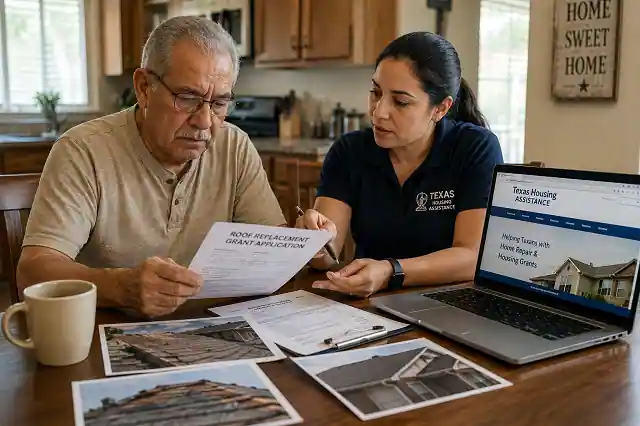
How to Apply for Texas Roof Replacement Grants in 2026
1. Check Eligibility Requirements
Before applying, confirm that:
- Your household income qualifies
- You own the property
- The home is your primary residence
- Your roof condition meets repair requirements
2. Gather Required Documents
Most programs require documents such as:
- Government-issued photo ID
- Proof of income
- Tax returns
- Mortgage or property ownership papers
- Utility bills
- Roof inspection report
- Photos of roof damage
- Contractor estimates
3. Apply to Multiple Programs
Many homeowners improve approval chances by applying to several programs at the same time.
Combining nonprofit help, federal grants, local assistance, and emergency repair programs may reduce out-of-pocket roofing costs significantly.
Before applying, homeowners should review how to apply for home repair grants successfully to avoid delays and paperwork mistakes.
How to Get Approved for Texas Roof Replacement Grants Faster
- Apply Early: Many Texas housing repair programs have limited yearly funding. Applications often close quickly.
- Get a Professional Roof Inspection: A contractor report showing severe roof damage may improve approval chances.
- Take Clear Photos: Photograph roof leaks, missing shingles, mold, water stains, and structural damage.
- Apply to More Than One Program: Never depend on only one grant source.
- Keep Your Documents Ready: Missing paperwork is one of the biggest reasons for delays or denials.
- Contact Local Housing Offices: Some county-level repair programs are not widely advertised online.
- Ask About Emergency Funding: Dangerous roof damage may qualify for faster emergency approval.
Families dealing with larger housing issues may also benefit from reviewing Texas home repair grants for homeowners for broader repair assistance options.
Common Mistakes That Can Get Your Application Denied
Many families lose funding opportunities because of avoidable mistakes.
- Submitting incomplete applications
- Missing required documents
- Waiting too long to apply
- Failing to prove roof damage
- Using outdated contractor estimates
- Ignoring follow-up requests
- Applying to only one funding source
Homeowners can improve approval chances by reading step-by-step home repair grant application tips before submitting paperwork.
Alternative Options if You Do Not Qualify for Grants
If you do not qualify for free roof replacement grants, other options may still help reduce costs.
- USDA low-interest home repair loans
- FHA Title I Property Improvement Loans
- Community nonprofit repair programs
- Roofing contractor payment plans
- Home insurance claims for storm damage
- Local charity repair organizations
Senior homeowners who do not qualify for roofing grants may still receive assistance through Texas home repair grants for senior citizens.
Frequently Asked Questions About Roof Replacement Grants in Texas
1. Can low-income families get free roof replacement in Texas?
Yes. Some Texas housing repair programs may fully cover roofing costs for eligible low-income homeowners.
2. Do Texas roof replacement grants need to be repaid?
Most grants do not require repayment, but some forgivable loans may have conditions.
3. Can seniors qualify for roof replacement help?
Yes. Senior homeowners often receive priority through USDA and local housing assistance programs.
4. Can FEMA help pay for roof repairs?
Yes. FEMA may provide assistance after federally declared disasters such as hurricanes, floods, or tornadoes.
5. What documents are required?
Most programs request proof of income, homeownership, roof inspection reports, tax records, and identification.
6. How long does approval take?
Approval times vary but may take several weeks to a few months, depending on funding and demand.
7. Can I apply for more than one roof grant?
Yes. Many families improve approval chances by applying to several housing repair programs.
Why You Can Trust This Guide
Last Updated: June 2026
Reviewed By: Housing Assistance Research & Property Grants Editorial Team
1. Updated for 2026 Programs
This guide includes updated 2026 information on Texas roof replacement assistance programs.
2. Based on Official Government Sources
Information is researched using USDA, HUD, FEMA, and local housing program resources.
3. Written for Real Homeowners
This content focuses on practical solutions for low-income families facing expensive roof repairs.
4. Regularly Reviewed for Accuracy
Housing repair programs change frequently, so information is reviewed for updates.
5. Structured for Fast Answers
This article is designed to provide quick, trustworthy answers for homeowners and AI-powered search summaries.
Conclusion
Finding help for roof damage can feel stressful, but many Texas roof replacement grants for low-income families in 2026 may help reduce or fully cover roofing costs.
Federal housing programs, Texas repair assistance, nonprofit organizations, and emergency funding may help eligible homeowners fix dangerous roof problems before they become worse.
The best strategy is to apply early, gather complete paperwork, and apply to several programs instead of relying on only one funding source.
Families needing broader housing support should also explore Texas home repair grants for homeowners, grants for septic system replacement assistance, and Texas home repair grants for senior citizens for additional assistance opportunities.

Arthur Pendelton is a senior housing policy researcher and public welfare analyst with over eight years of experience tracking federal, state, and non-profit residential repair programs. He specializes in statutory grant frameworks, including USDA Section 504 Rural Housing, the Department of Energy’s Weatherization Assistance Program (WAP), and municipal HUD Community Development Block Grants (CDBG). Arthur systematically audits Federal Register publications and Title 7/42 CFR regulatory updates to provide low-income homeowners, seniors, and military veterans with accurate, barrier-free application guidance.