
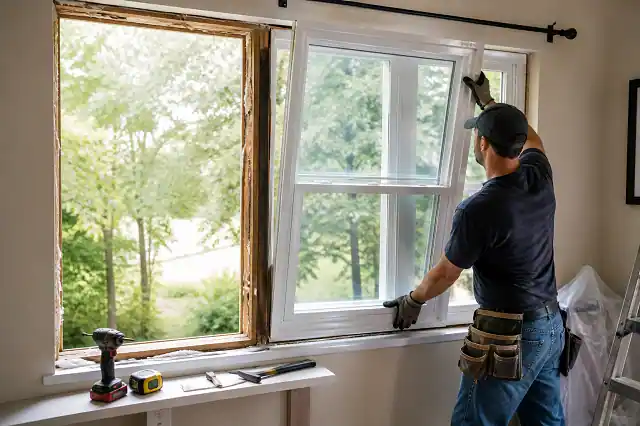
Low-income senior homeowners can get free window replacement grants for seniors to fix drafty rooms. These programs offer between $1,500 and $10,000 for energy repairs. The money pays for new double-pane glass without taking on bank debt. Before signing any contract, compare open options. Check our directory of home repair grants for low-income families to see local programs.
This guide explains clear income rules under federal laws. These include 7 CFR Part 3550, 10 CFR Part 440, and 24 CFR Part 570. You will also see which repairs qualify. We explain stay rules and official forms step by step.
Tired of high electric bills from drafty window glass? You do not have to guess if you qualify for help. Check your choices with our quick calculator below.
Program: Window Replacement Grant
Focus: Senior Citizen (60+)
Local agencies manage these grant funds until budgets run out. Over 40% of applications face delays from missing papers. Check the rules below. Download official forms early before funds run dry.
Why Window Upgrades Are Essential for Aging in Place
Fixing broken window frames protects your safety. It stops wood rot and cuts power bills. Drafty windows hurt your health and your wallet. You can also evaluate major repairs under programs offering roof replacement grants for seniors. Window grants fix three major home hazards:
- Heat Loss: Up to 30% of home heat escapes through single-pane glass. Double-pane windows keep rooms warm in winter. They also lower cooling bills during summer heat.
- Easy Opening: Old wooden frames swell and get painted shut over time. For seniors with arthritis, opening stuck windows in an emergency is dangerous. Modern vinyl windows glide open smoothly. Their cam locks close tightly with light touch.
- Wood Rot: Broken seals let rainwater leak into walls. Moisture rots studs, sills, and drywall. Homeowners can repair damaged framing through targeted funding for window frame rot repair before mold spreads.
A Quick Note on Funding Cycles: Local window programs run on yearly budgets. When weatherization funds run low, offices open their next round in October or January. If a worker says funds are gone, do not walk away. Ask them to put your name on the waiting list for the next funding round.
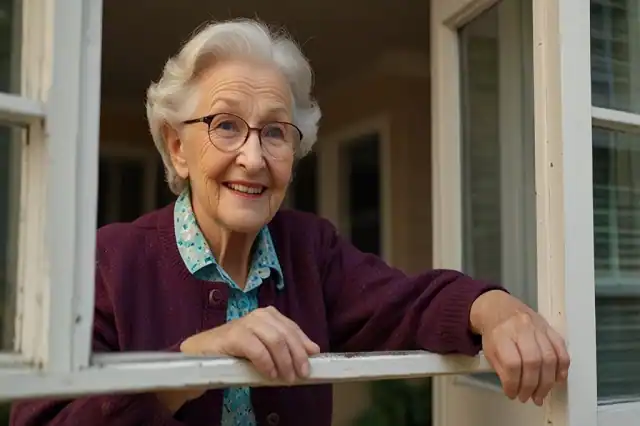
Window Replacement Costs in 2026: Pocket vs. Full-Frame
Seniors should know the two installation types before getting bids. The installation method sets total labor costs and grant caps:
- Pocket Insert Replacement ($350 – $650 per window): This method works when existing window frames remain solid and square. Workers remove only the old glass sashes. They slide a custom vinyl unit into the frame. This is the fastest, most affordable method.
- Full-Frame Replacement ($850 – $1,400+ per window): This repair is needed when leaks rot wall framing. Workers strip materials down to bare wall studs. This requires carpentry and drywall patching, raising costs.
| Cost Factor | Typical Cost Range | What Raises the Price | Helpful Tip for Seniors |
|---|---|---|---|
| Frame Material | Vinyl: $350–$650. Wood: $800–$1,400. | Hardwoods require ongoing repainting | Pick vinyl frames; they insulate well and need zero painting |
| Window Style | Double-Hung: $350–$750. Bay Window: $1,200–$3,500 | Big projection windows needing roof supports | Choose basic double-hung or sliding models to lower costs |
| Wall Condition | Pocket: $150–$300 labor. Full-Frame: $400–$800+ labor. | Hidden water leaks or rotted wall studs | Make sure contractor bids state if rough carpentry is included |
| Glass Package | Double Pane: Standard. Triple Pane: +$150–$300. | Special gas fills for severe sub-zero cold | Standard Energy Star double-pane glass offers the best value |
| Whole House | 8–10 Windows: $4,500–$11,000 Total | Replacing every window in the home at once | Ask caseworkers to prioritize main bedrooms and living rooms first |
You can connect with your regional Community Action coordinator through the official State Weatherization Intake Directory (WAP) to schedule your home checkup.
Primary Federal Window Replacement Grants for Seniors in 2026
Public programs are the best way to get free windows. Agencies never hand out cash directly. Instead, local offices hire licensed builders who do the work for free. The main federal programs include:
1. Weatherization Assistance Program (DOE-WAP)
The Department of Energy runs WAP. It is the main federal energy program. Rules instruct offices to help seniors aged 60 and older first. They also prioritize disabled adults and low-income families.
- Home Checks: Certified workers test your home with thermal cameras and air tools. When tests show severe heat loss, the program pays for new windows. It also covers storm panels and frame repairs.
- Income Rules: Income rules sit at 200% of the poverty line. For a single senior, this equals roughly $30,120 per year. Seniors on SSI qualify automatically.
- Applying: Local Community Action Agencies handle intake. You can find state contacts on the NASCSP State Directory and the DOE Weatherization Portal.
2. Low-Income Home Energy Assistance Program (LIHEAP Crisis Aid)
The government funds LIHEAP to help with utility bills. States can also use these funds for emergency window repairs.
- Emergency Help: Broken glass and bent frames let in freezing air. In these cases, local offices provide funds for storm panels or fast replacements.
- Income Check: Seniors can check state income caps through the Official LIHEAP National Eligibility Tool.
3. USDA Section 504 Home Repair Grants
The USDA Rural Development program gives direct grant aid. Section 504 provides lifetime grants up to $10,000 to remove safety hazards. This includes drafty or rotted windows. Review rural rules under USDA Section 504 home repair grants for rural seniors.
- Home Living: Section 504 grants carry zero monthly payments. You never repay the money if you stay in the home for 3 years. You can also pair the grant with a 1% loan up to $40,000.
- Rural Town Rules: Your home must sit in a rural town under 35,000 people. Check your address on the Official USDA Portal. You can also review rural rules under home repair grants for rural homeowners on low income.
Rural seniors can file for direct grants by downloading the official USDA Form RD 3550-1 Application (PDF) before scheduling a local property review.
State, County, and Municipal Housing Programs
Cities also get yearly repair funds through HUD block grants. Local city halls use this cash to help older residents fix dangerous housing problems.
City programs usually offer forgivable loans. The city collects bids, pulls permits, and pays the builder directly. The loan clears after living in the home for 3 to 5 years. Seniors planning broader repairs can check rules through municipal home improvement grants for older adults.
Building codes and weather differ across states. Always check local rules when seeking aid. For mountain climate standards, see cold-climate window replacement grants in Colorado.
Nonprofit Repair Options for Seniors Above Poverty Cutoffs
Many retired seniors earn slightly above strict federal caps. When public programs deny your file, charities step in with volunteer labor and donated supplies:
- Habitat for Humanity (Aging in Place): Local branches run repair programs that rebuild rotted window frames and install efficient double-hung windows on a sliding scale.
- Rebuilding Together: Working nationwide, Rebuilding Together provides essential home repairs for low-income seniors and veterans. Volunteers repair broken sashes and add storm windows to stop drafts.
When city waiting lists take too long, charities offer help. You can explore regional volunteer groups through nonprofit window replacement aid programs for seniors.
Alternative Ways to Lower Window Replacement Costs
When waiting lists take months, seniors can save money through other options:
- Utility Rebates: Many electric and gas companies offer rebates from $50 to $200 per window. Call your utility company to ask about rebates before buying.
- Senior Discounts: Local window contractors often give senior discounts of 5% to 10%. Ask about senior discounts during your in-home price quote.
Eligibility Criteria for Senior Window Aid
While exact rules differ by city, qualifying for free window aid usually requires meeting four basic standards:
- Age Rules: Programs usually require you to be at least 60 years old for Area Agency on Aging help, or 62 for USDA Section 504 grants.
- Income Rules: Total household earnings must sit below local limits, usually under 200% of the poverty line or under 50% to 80% of county median income. SSI recipients qualify automatically.
- Home Ownership Rules: You must own the home and live in it full time as your primary residence. Rental properties and second homes do not qualify.
- Need Proof: Windows must show real damage or severe air leaks, such as broken glass, wood rot, or failed seals confirmed by energy tests.
Medical Hardship and Climate Priority Rules
Regular waiting lists often take months. But applicants with documented health risks can get faster review. Program rules instruct caseworkers to speed up applications when drafts worsen health problems:
- Doctor Letters: Get a health note from your doctor. A letter showing drafts worsen asthma or arthritis moves your file to fast review.
- Weather Risks: Freezing cold or extreme heat makes drafty bedrooms unsafe. Caseworkers review local weather data to rush urgent cases.
- Medical Gear: Running space heaters to fight drafts causes high electric bills. High bills from medical equipment prove urgent hardship.
Special Guidelines for Historic Districts and Manufactured Homes
Certain home types face special rules during the grant review process:
- Historic Rules: Historic boards often ban vinyl windows. In these homes, grants pay for custom wood sashes or storm windows to match local rules.
- Mobile Homes: Mobile homes need special window sizes. Regular house windows cause leaks in mobile homes. Contractors must order special mobile home units with built-in fins.
Step-by-Step: How to Apply for Senior Window Grants in 2026
Following a clear filing plan helps your paperwork move from intake to contractor installation without delays:
- Find Your Local Agency: Bypass commercial lead websites. Find your official Community Action Agency or municipal housing office through state government directories.
- Gather Income and House Papers: Collect your Social Security award letters, pension statements, photo ID, property deed, tax receipts, and recent power bills.
- Submit Your Application: Fill out official forms completely. Clearly note any occupants aged 60+ or verified medical conditions to request priority review.
- Complete the Home Energy Check: A certified technician checks your home using infrared tools and air tests to find major window leaks.
- Review the Work Order: Check the written repair order to confirm whether windows get weatherstripping, storm panels, or full replacement units.
- Pass the Final Inspection: After the contractor finishes, a city inspector checks flashing, insulation, and window locks before issuing payment.
Never send original deeds or ID cards. Submit clean photocopies. Keep a folder with your submission dates and caseworker phone numbers.
Watch Out for Large File Errors: Scanned tax forms and bids can get too heavy for county portals. If an upload freezes, save files into smaller parts. You can also mail paper copies to your local office.
How to Spot and Avoid Window Replacement Scams
Dishonest contractors often target older homeowners with misleading sales pitches. Protect your home and savings by watching for these red flags:
- Upfront Costs: Real programs like WAP and USDA Section 504 never charge application fees. Anyone asking for cash upfront is running a scam.
- Door-to-Door Sales: Government workers never go door-to-door. They never make robocalls claiming you won free windows.
- Transfer Forms: Never sign papers transferring your grant money or insurance claims to a contractor.
- Contractor Checks: Real grant repairs are done by licensed contractors hired directly by your local housing agency.
What to Do If Your Window Grant Gets Denied:
Denied for Income Overages: Check if the office looked at your gross or net income. If you have high medical bills, make sure they subtracted those costs. If they forgot, you have a legal right to ask for a recount.
The 14-Day Rule: If papers are missing, you have only 14 business days from the letter date to mail them to your caseworker. Do not start a brand-new application.
Easy Appeal Letter Template for Seniors:
To: [Name of Housing Program Office]
Regarding: Appeal for Grant Denial – Case #[Insert Case Number]
Hello, I am writing to appeal my grant denial dated [Insert Date]. The letter states my income is too high. However, my recurring medical and prescription expenses were left out of my file calculation. My annual medical costs total [Insert Out-of-Pocket Cost], which lowers my net income and brings me within program rules. Please review the attached medical receipts.
Thank you,
[Your Full Name]
[Your Phone Number]
Frequently Asked Questions About Senior Window Grants
Can senior citizens receive 100% free window replacement grants?
Yes. Low-income seniors qualifying under federal weatherization programs or USDA Section 504 can receive full sash retrofits or replacements at zero cost when an energy check confirms severe air leaks or wood rot.
How long does the grant approval process take in 2026?
Regular home checks usually take 3 to 9 months. However, seniors aged 60 and older receive faster review.
Does the Weatherization Assistance Program replace every window in the house?
WAP focuses on saving energy. If workers find that caulking or storm windows stop drafts, they do those repairs first.
What is the income limit for a USDA Section 504 grant?
Homeowners must earn below 50% of county median income. You must be at least 62 years old and unable to get a bank loan.
Can I hire an independent contractor and apply for reimbursement later?
No. Public programs never pay you back later. Any work started before written approval must be paid by the homeowner.
The grant limits ($10,000 for USDA 504) and weatherization standards cited in this guide are governed directly by federal statutory directives: USDA Section 504 Field Directives (7 CFR Part 3550) and Department of Energy Weatherization Rules (10 CFR Part 440).
Your Next Steps and Senior Window Filing Checklist
Drafty windows waste energy and hurt your monthly budget. Public assistance through Weatherization (WAP), Section 504, or city programs offers real relief. Use this simple checklist before turning in your forms:
- Check County Income Limits: Review your family income against local Weatherization (200% poverty line) and USDA 504 (50% median income) limits.
- Get a Doctor’s Note for Priority: If you have asthma, bronchitis, or arthritis, ask your doctor for a letter explaining how cold drafts worsen your condition.
- Gather Property Papers: Collect clean copies of your house deed, tax receipts, Social Security letter, and recent electric bills.
- Apply Early in the Fall: Federal grant allocations reset every year on October 1st. Sending in your papers in fall or winter improves your chances before local funds run out.
- Avoid Middlemen Fees: Submit your forms directly to your local Community Action Agency or USDA field office without paying third-party fees.
Applying early helps seniors fix drafty window frames. It lowers high winter bills. You live safely without taking on debt.
Why You Can Trust This Guide
Last Updated: October 2026
Reviewed By: Arthur Pendelton, Senior Public Housing Policy Analyst
Experience: Our editorial research team has analyzed federal energy directives, Title 7 CFR Section 504 regulations, and municipal housing programs across all 50 states for over a decade.
Expertise: All funding thresholds, income qualifications, and construction standards derive directly from Title 42 of the United States Code and official Department of Energy technical manuals.
Authority: All Fiscal Year 2026 funding caps ($10,000 for USDA 504, 200% FPL for WAP) are verified against official Federal Register publications.
Trust: HomePropertyGrants is an independent public assistance research desk. We accept no fees, kickbacks, or promotional sponsorships from commercial window manufacturers or lending institutions.
Helpful Decision Support: We translate complex statutory programs into clear guidance with direct links to official .gov directories and application portals.

Arthur Pendelton is a senior housing policy researcher and public welfare analyst with over eight years of experience tracking federal, state, and non-profit residential repair programs. He specializes in statutory grant frameworks, including USDA Section 504 Rural Housing, the Department of Energy’s Weatherization Assistance Program (WAP), and municipal HUD Community Development Block Grants (CDBG). Arthur systematically audits Federal Register publications and Title 7/42 CFR regulatory updates to provide low-income homeowners, seniors, and military veterans with accurate, barrier-free application guidance.
HELLO IM IN NEED OF HURRICANE WINDOWS ….IM IN MY HOME 38 YEARS AND HAVE THE ORIGINAL WINDOWS ….IM ON A FIXED INCOME AND MY WIFE IS ON DISABILITY …MY ELECTRIC BILLS ARE $250 OR MORE EVERY MONTH ……AND MY AIR CONDITIONER IS CONSTANTLY RUNNING ….CAN SOME ONE PLEASE HELP
Hi Dominic, you should reach out to your local Community Action Agency for the Weatherization Assistance Program (WAP). Since your utility bills are high, they can test your home for insulation gaps and may replace your old windows for free if you qualify under their income brackets.