
Home renovation costs can become difficult to manage when a roof starts leaking, electrical wiring becomes unsafe, windows lose their efficiency, or an older heating system fails. The good news is that homeowners may have access to government-funded assistance for qualifying work.
The important point is that there is no single nationwide government grant that pays for every type of renovation. Instead, assistance is spread across federal, state, county, city, and local programs. Some programs focus on health and safety. Others target energy efficiency, rural housing, accessibility, or disaster recovery.
This article focuses specifically on government funding for renovation projects. For the broader range of homeowner assistance, eligibility groups, nonprofit programs, and general home improvement resources, see Home Improvement Grants for Homeowners in 2026.
Quick answer: Government home renovation assistance can help eligible homeowners pay for essential repairs, energy-efficiency work, accessibility modifications, and disaster-related damage. The best option depends on the project, household income, property location, and program rules. Some federal programs provide grants directly, while others send funding to states, cities, counties, or local organizations that operate homeowner repair programs.
What Government Renovation Grants Actually Pay For
Government renovation assistance generally has a stronger connection to projects that improve health, safety, habitability, accessibility, energy efficiency, or disaster recovery. Cosmetic remodeling is usually a weaker fit than a repair that addresses a documented housing problem.
The American Housing Survey tracks housing conditions, remodeling, repairs, and housing costs. The U.S. Census Bureau reported that in 2021, homeowners who made home improvements spent a median of $5,000, while millions of occupied housing units reported issues such as water leakage, foundation problems, mold, or other maintenance concerns.
That distinction matters when choosing a funding program. A homeowner asking for assistance to replace an unsafe roof has a different funding path from someone wanting to remodel a kitchen for appearance alone.
Repairs that usually have the strongest case
- Roof leaks and serious roof deterioration
- Unsafe electrical systems or wiring
- Plumbing failures and water-related hazards
- Heating system problems
- Insulation and weatherization improvements
- Accessibility modifications
- Structural repairs that affect safety
- Repairs required after an eligible natural disaster
- Other improvements specifically authorized by the local program
Renovations that may not qualify
Government funding is not normally designed to pay for every desired home upgrade. Purely cosmetic remodeling, luxury finishes, entertainment improvements, or projects unrelated to an eligible housing problem may not qualify.
Even when a project is generally eligible, the local program may limit the materials, contractor requirements, maximum assistance, or scope of work.
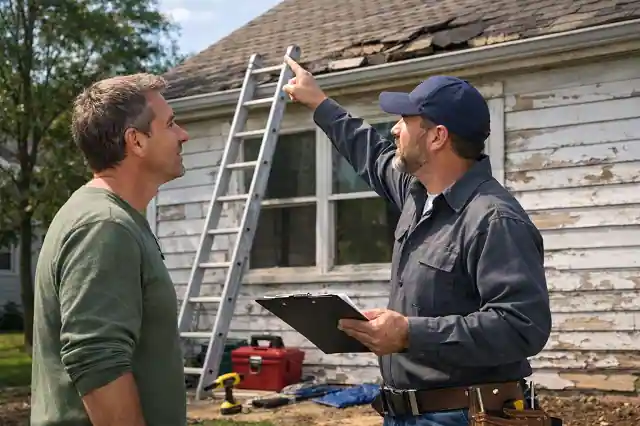
Best strategy: Describe the actual housing problem first. Explain why the repair is necessary, what risk it creates, and how the proposed work will make the property safer, more functional, more accessible, or more energy efficient.
Who Is Most Likely to Qualify
Eligibility varies considerably between programs. However, several factors appear repeatedly across government home repair assistance programs.
Income and financial need
Many programs prioritize households with low or very-low incomes. Some use federal poverty guidelines, while others use area median income or locally established income limits.
Do not assume that one income limit applies to every program. A homeowner who does not qualify for one program may still qualify for another.
For a broader explanation of eligibility factors, see who qualifies for home repair grants.
Homeownership and occupancy
Many repair programs require the applicant to own and occupy the property as a primary residence. Program rules can be different for disaster assistance, accessibility programs, manufactured homes, and locally funded rehabilitation programs.
Rural location
Rural homeowners have a particularly important federal option through the U.S. Department of Agriculture’s Rural Development housing programs. The USDA program uses an eligibility determination for the property location and household income requirements.
Health, safety, and accessibility needs
Programs may give priority to repairs that remove serious hazards or make a home accessible to an older adult or a person with a disability.
For example, an accessibility project may involve a ramp, bathroom modification, widened doorway, or other approved alteration. Veteran-specific accessibility programs have separate eligibility requirements.
| Eligibility factor | Why it matters | What to prepare |
| Household income | Many programs target low- or very-low-income households | Recent income and benefit records |
| Homeownership | Many programs require ownership and occupancy | Deed, tax record, mortgage or ownership documents |
| Property location | Some programs are limited to rural areas or specific communities | Property address and local eligibility information |
| Repair need | Programs often prioritize health, safety, accessibility, or energy needs | Photos, inspection reports, estimates, or repair descriptions |
| Special program status | Some programs serve veterans, older adults, disaster survivors, or people with disabilities | Program-specific documentation |
Match Your Renovation to the Right Government Program
Instead of applying randomly to every grant you find online, start with the renovation itself. Matching the project to the program can save time and prevent applications to programs that were never designed for your type of work.
| Your renovation need | Program path to investigate | Typical focus |
| Rural health and safety repairs | USDA Section 504 Home Repair | Essential repairs and removal of health and safety hazards |
| Insulation, air sealing, energy upgrades | Weatherization Assistance Program | Whole-house energy efficiency and health and safety |
| Local rehabilitation | HUD-funded local programs | Housing rehabilitation administered by local entities |
| Disability-related veteran modifications | VA SAH, SHA, or HISA | Accessibility and medically necessary modifications |
| Disaster-damaged primary residence | FEMA Home Repair Assistance | Making an eligible disaster-damaged home safe and functional |
This project-first approach also makes the article different from the broader home improvement pillar. The pillar can remain the site’s main overview, while this page answers the narrower question: Which government-funded path best matches my renovation?
Federal Programs That Can Help With Renovation Costs
USDA Section 504 Home Repair
The Single Family Housing Repair Loans and Grants program, also known as the Section 504 Home Repair program, is one of the most important federal options for eligible very-low-income rural homeowners.
The program provides loans to eligible homeowners to repair, improve, or modernize their homes. Eligible older homeowners may also receive grants to remove health and safety hazards. USDA states that applicants must generally own and occupy the home, be unable to obtain affordable credit elsewhere, and meet the applicable very-low-income limit for the county. Grant applicants must generally be age 62 or older.
| Section 504 feature | Current federal information |
| Maximum loan | Up to $40,000 |
| Maximum regular grant | Up to $10,000 |
| Disaster-related maximum grant | Up to $15,000 in applicable circumstances |
| Loan term | Up to 20 years |
| Loan interest rate | 1% fixed |
| Grant age requirement | Generally 62 or older |
| Location | Eligible rural areas |
Important USDA rule: A Section 504 grant is not simply free money for any renovation. Grant funds are intended for eligible health and safety needs, and program rules can require repayment if the property is sold within a specified period.
USDA also provides an official property eligibility tool. Applicants should verify the property before assuming that a rural location qualifies.
Weatherization Assistance Program
The U.S. Department of Energy’s Weatherization Assistance Program (WAP) is focused on reducing energy costs for low-income households while improving energy efficiency and health and safety.
WAP is not a general remodeling grant. Work is normally based on program rules and an assessment of the home. Potential measures can include insulation, air sealing, heating-related improvements, and other approved energy-efficiency measures.
Useful statistic: The U.S. Department of Energy reports that low-income households typically spend about 13.9% of total annual income on energy costs, compared with about 3% for other households. This helps explain why weatherization programs focus on lowering energy waste and utility costs.
WAP is administered through states and local providers, so the application process is not identical nationwide. The Department of Energy explains that applicants should contact their state weatherization administrator to start the process.
If your renovation is mainly about replacing inefficient windows, improving insulation, or reducing heating and cooling losses, see window replacement assistance for more project-specific information.
HUD CDBG and HOME funding
The U.S. Department of Housing and Urban Development administers several funding streams that can support housing rehabilitation through state and local governments.
The Community Development Block Grant program (CDBG) can support residential rehabilitation and other community development activities. The HOME Investment Partnerships Program (HOME) can also support the rehabilitation of affordable housing.
Do not confuse HUD funding with a direct national homeowner grant. HUD generally sends CDBG and HOME funds to participating jurisdictions and other eligible entities. A city, county, state, or local organization may then create a homeowner rehabilitation program. The actual application therefore depends on where the property is located.
Homeowners should start with their local housing department, community development office, or state housing agency rather than searching for a single national HUD application.
The HUD state information page can help homeowners locate state-level HUD resources and contacts.
VA Specially Adapted Housing and Special Housing Adaptation grants
The U.S. Department of Veterans Affairs provides disability housing grants for eligible veterans and service members with qualifying service-connected disabilities. The two major programs are Specially Adapted Housing (SAH) and Special Home Adaptation (SHA).
| VA program | FY 2026 maximum | Main purpose |
| Specially Adapted Housing (SAH) | Up to $126,526 | Qualifying disability-related home purchase, construction, or adaptation |
| Special Home Adaptation (SHA) | Up to $25,350 | Qualifying disability-related home purchase or adaptation |
VA explains that eligibility depends on the type of service-connected disability and the veteran’s living and ownership circumstances. These programs are therefore not general renovation grants for all veterans.
Veterans with qualifying needs may also investigate the Home Improvements and Structural Alterations Program (HISA) for medically necessary improvements and structural alterations. HISA has its own medical and application requirements.
For broader veteran-focused assistance, see VA home repair grants for veterans.
FEMA Home Repair Assistance
Federal Emergency Management Agency Home Repair Assistance (FEMA Home Repair Assistance) is different from a general renovation grant.
It is designed for eligible homeowners whose primary residences were damaged by a qualifying declared disaster. FEMA assistance may help make a disaster-damaged home safe, sanitary, and functional. Eligible damage can include certain problems involving roofs, foundations, HVAC systems, electrical wiring, wells, septic systems, and other components.
Warning: Do not apply for FEMA expecting funding for an ordinary renovation that was unrelated to a declared disaster. FEMA Home Repair Assistance is tied to disaster-caused damage and specific eligibility rules.
How Much Renovation Assistance Can You Get
There is no standard government grant amount for home renovations. The amount depends on the program, the applicant’s eligibility, the repair scope, local funding, and whether the assistance is a grant, loan, reimbursement, or service.
| Program | Potential assistance | Best fit |
| USDA Section 504 | Up to $10,000 grant; up to $40,000 loan | Eligible very-low-income rural homeowners |
| Weatherization Assistance Program | Amount varies by state and project | Low-income energy-efficiency improvements |
| HUD-funded rehabilitation | Varies by local program | Locally administered housing rehabilitation |
| VA SAH | Up to $126,526 in FY 2026 | Eligible veterans and service members with qualifying disabilities |
| VA SHA | Up to $25,350 in FY 2026 | Eligible veterans and service members with qualifying disabilities |
| FEMA Home Repair Assistance | Varies by disaster and eligible need | Eligible disaster-damaged primary residences |
Key point: A maximum award is not a guaranteed payment. A homeowner may receive less than the program maximum based on the documented repair need, eligibility, available funding, program rules, or the cost of eligible work.
Renovation Assistance by Project Type
Roof repairs
Roof repairs are often considered when they address health, safety, habitability, or disaster damage. However, eligibility depends on the specific program.
USDA Section 504 can be relevant to eligible rural homeowners when the work fits program rules. FEMA may assist with eligible disaster-related roof damage. Local rehabilitation programs can also establish their own roofing assistance.
For a more detailed project-specific resource, see roof replacement assistance.
Windows and doors
Energy-related window and door improvements are more likely to fit programs focused on weatherization or energy efficiency than general remodeling programs. WAP providers determine eligible measures according to program requirements and the home’s energy needs.
For manufactured homes, specialized installation and eligibility issues can also matter. See mobile home window replacement assistance for additional context.
Heating and cooling
Heating and cooling work can fit weatherization or health-and-safety programs when the project meets program requirements. A broken or unsafe heating system may be treated differently from a voluntary upgrade to a newer model.
Homeowners considering this type of work can also review high-efficiency heating assistance.
Plumbing and electrical work
Plumbing and electrical problems can become serious health and safety issues. Programs may consider repairs involving unsafe wiring, water leaks, sanitation problems, or other eligible hazards.
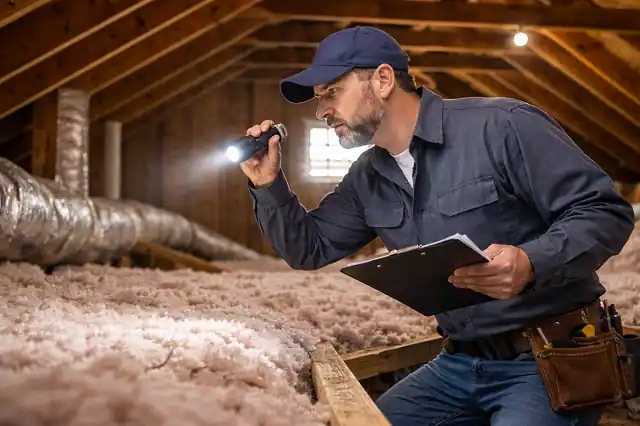
Document the problem carefully. Photos, inspection reports, contractor estimates, and written explanations can help show why the work is necessary.
Accessibility modifications
Accessibility work may include ramps, grab bars, bathroom modifications, widened doors, lowered counters, and other approved adaptations.
Veterans with qualifying service-connected disabilities should review VA housing adaptation programs rather than assuming that a general home repair program is the best option.
Structural and water-damage repairs
Foundation problems, water intrusion, deteriorated floors, and structural hazards can be expensive and may qualify for assistance only when they meet a specific program’s rules.
For basement-related water problems, see assistance for fixing leaky basements.
Where to Find Local Government Renovation Programs
Many of the most useful renovation programs are administered locally. A homeowner may never find the program by searching only for “federal home renovation grants.”
Check these sources in this order:
- City housing or community development department
- County housing or community development office
- State housing finance or housing agency
- USDA Rural Development office if the property may qualify as rural
- Local weatherization provider
- HUD state and local resources
- Local programs funded through CDBG or HOME
For a broader state-by-state starting point, see state home repair assistance programs.
Search tip: Use your exact city and county when contacting local offices. “Home renovation grants in Texas” is much less precise than “homeowner rehabilitation program + county name.” Local program names and funding cycles can change.
How to Apply for Home Renovation Assistance
The safest approach is to identify the program before signing a construction contract or starting major work. Some programs require an inspection, approval, contractor documentation, or authorization before work begins.
Documents to prepare
- Proof of homeownership
- Government-issued identification
- Recent income documentation
- Benefit or retirement statements when applicable
- Property tax information
- Mortgage information if requested
- Photos of the repair problem
- Inspection reports when available
- Detailed contractor estimates
- Proof of insurance for disaster-related work
- Disability or veteran documentation when required
Application checklist
Before submitting an application:
- ☐ Confirm that the program serves your property location.
- ☐ Check the current income limit and household-size rules.
- ☐ Confirm that your specific renovation is eligible.
- ☐ Confirm whether you must own and occupy the home.
- ☐ Gather ownership and income documents.
- ☐ Obtain detailed repair estimates if required.
- ☐ Photograph the existing damage or safety problem.
- ☐ Ask whether an inspection is required.
- ☐ Do not start work early if the program requires prior approval.
- ☐ Keep copies of every document submitted.
The application process differs by program. For example, the Department of Energy says WAP applications are handled at the state and local level, while USDA directs applicants toward local Rural Development offices.
What to Do When a Grant Does Not Cover the Full Project
Large renovations often cost more than one assistance program can provide. Instead of assuming the project is impossible, ask whether multiple forms of assistance can legally be combined.
Potential funding combinations may include:
- A government grant plus an eligible low-interest loan
- Weatherization assistance for energy work plus a local rehabilitation program for other eligible repairs
- VA adaptation benefits plus other permitted financing
- Local housing rehabilitation funding plus homeowner contributions
- Disaster assistance plus other eligible recovery resources, subject to duplication-of-benefits rules
Ask before combining programs: Some programs restrict duplicate assistance for the same expense. Never assume that two awards can automatically pay for the same repair.
For projects that are not eligible for a grant, homeowners may also need to consider government-backed financing or local low-interest rehabilitation loans. A loan is not a grant, so the repayment terms should be evaluated carefully.
Common Application Mistakes That Reduce Your Chances
Many applications fail because the applicant does not meet the program’s rules or does not document the project adequately. Avoid these common problems:
| Mistake | Better approach |
| Applying without checking location | Verify city, county, rural, or service-area eligibility first |
| Calling every program a grant | Determine whether the assistance is a grant, loan, rebate, or service |
| Using outdated funding amounts | Check the current official program page before applying |
| Starting construction too early | Ask whether written approval is required before work begins |
| Providing vague repair descriptions | Explain the safety, health, accessibility, energy, or disaster need |
| Ignoring local programs | Contact city, county, and state housing agencies |
| Submitting incomplete documents | Use the program’s application checklist |
| Assuming the maximum award is guaranteed | Understand that awards depend on eligibility and approved costs |
Frequently Asked Questions
Are there really free government grants for home renovations?
Yes, some government programs provide grants that do not require ordinary repayment when the applicant meets the program rules. However, not every home renovation program is a grant, and some federal funding reaches homeowners through state or local programs rather than directly from the federal government.
What is the best federal program for rural homeowners?
For eligible very-low-income rural homeowners, USDA Section 504 is one of the major federal repair programs. It provides loans for eligible repairs and grants for qualifying older homeowners to address eligible health and safety needs.
Can government grants pay for a roof replacement?
They can in some circumstances, but eligibility depends on the specific program and why the roof needs replacement. USDA, local rehabilitation programs, and disaster assistance can have different rules. A roof replacement should not be assumed to qualify simply because it is expensive.
Can WAP pay for new windows?
Weatherization Assistance Program providers may support eligible energy-efficiency measures, but the work is determined under WAP rules and state or local procedures. Homeowners should contact their local weatherization provider rather than assuming that every window replacement will qualify.
Does HUD give home renovation grants directly to homeowners?
Usually, no. HUD distributes major community-development and housing funds through states, local governments, and other eligible entities. A local program may then provide homeowner rehabilitation assistance. This is why homeowners should search for the local program rather than looking for one nationwide HUD homeowner grant application.
Can veterans get government money to modify their homes?
Eligible veterans and service members with qualifying disabilities may receive VA housing adaptation assistance. SAH and SHA are designed for specific service-connected disabilities, while HISA supports certain medically necessary home improvements and structural alterations.
Can I get assistance after a natural disaster damages my home?
Potentially. FEMA Home Repair Assistance may help eligible homeowners with qualifying disaster-related damage to an owner-occupied primary residence. FEMA rules, disaster declarations, inspections, insurance, and other eligibility requirements apply.
Why This Information Can Be Trusted
Last Updated: August 2026
Reviewed By: Home Property Grants Editorial Team
- Official program verification: Federal program descriptions and current assistance limits were checked against USDA, DOE, HUD, VA, FEMA, and U.S. Census Bureau resources.
- Program distinction: Grants, loans, weatherization services, HUD-funded local rehabilitation, and disaster assistance are described separately to reduce misleading “free money” claims.
- Current funding information: Where a federal program publishes a current maximum, the article uses the available official figure rather than an outdated estimate.
- Local application warning: The article explains when federal funds are administered by state, county, city, or local organizations.
- Search-intent focus: This page focuses specifically on government-funded renovation assistance rather than duplicating the broader homeowner home-improvement pillar.
Final Takeaway
Free home renovation assistance does exist, but the right program depends on the problem you need to solve. A rural homeowner with a serious health or safety repair may be a candidate for USDA Section 504. A household needing energy-efficiency work may be better suited to WAP. A homeowner seeking local rehabilitation assistance should investigate city, county, and state programs supported by HUD funding. Eligible veterans with qualifying disabilities have separate VA housing adaptation options, while disaster survivors may qualify for FEMA assistance.
The most effective approach is to match the renovation to the funding source, verify eligibility before applying, document the repair need, and confirm current rules directly with the administering agency.
For the broader homeowner assistance landscape, continue to Home Improvement Grants for Homeowners in 2026.
Bottom line: Do not search for one “free renovation grant” that covers everything. Start with your repair type, then check the federal, state, county, and city programs that actually fund that type of work.

Arthur Pendelton is a senior housing policy researcher and public welfare analyst with over eight years of experience tracking federal, state, and non-profit residential repair programs. He specializes in statutory grant frameworks, including USDA Section 504 Rural Housing, the Department of Energy’s Weatherization Assistance Program (WAP), and municipal HUD Community Development Block Grants (CDBG). Arthur systematically audits Federal Register publications and Title 7/42 CFR regulatory updates to provide low-income homeowners, seniors, and military veterans with accurate, barrier-free application guidance.