
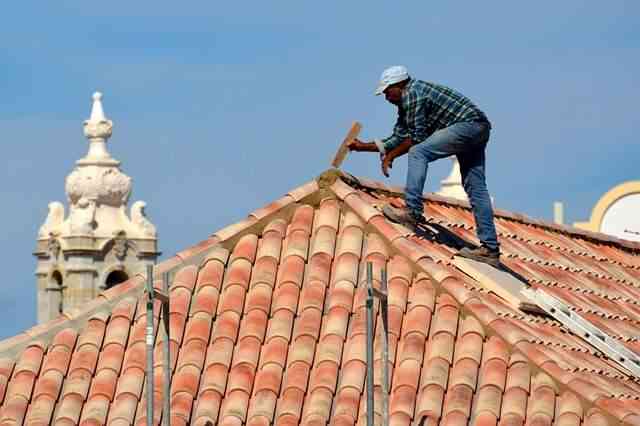
If you are a low-income homeowner wondering how to get a roof replaced for free in 2026, you may qualify for help through federal, state, local, or disaster-related programs. The right option depends on your household income, property location, roof condition, homeownership status, and the reason the roof needs replacement.
Can a low-income homeowner get a roof replaced for free? Yes, in some qualifying situations. Programs such as USDA Section 504, local housing rehabilitation programs, and disaster-related assistance may help pay for eligible roof repairs or replacement. However, each program has its own eligibility rules, funding limits, and approved uses.
This article focuses specifically on free roof replacement grants for low-income homeowners in 2026. It explains which programs may help, who is most likely to qualify, what each program can cover, how to prepare an application, and how to determine whether a grant can cover the full roof project.
For the broader topic covering both roof repair and replacement funding, you can also explore our roof repair and roof replacement grants for homeowners, which provides the wider overview before you narrow your search to low-income homeowner programs.
When a Roof Problem Is Strong Enough for a Grant
One of the most important parts of a successful roof grant search is understanding why the roof needs to be replaced.
Grant programs generally have a public purpose. They may be designed to remove health and safety hazards, preserve affordable housing, help low-income households remain safely housed, improve qualifying properties, or repair disaster damage.
That means the same homeowner could have very different results depending on whether the roof is merely old or is actively creating a serious housing problem.
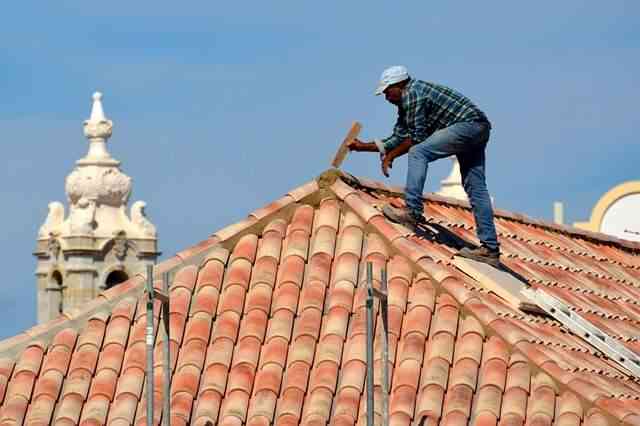
Health and safety hazards
A roof that allows substantial water intrusion can create problems with ceilings, walls, insulation, electrical systems, structural components, and other parts of the home.
For some grant programs, documenting the safety consequence of the roof problem can be more useful than simply stating that the roof is old.
Serious leaks and structural deterioration
Repeated leaks, damaged decking, sagging sections, exposed roofing materials, or other serious deterioration may strengthen an application when the program is designed to address health and safety hazards.
If the roof needs only a limited repair, do not automatically request a complete replacement. Homeowners dealing with a smaller roofing problem may find roof repair assistance for qualifying homeowners more relevant than programs designed for major replacement projects.
Disaster damage
A roof damaged by a hurricane, tornado, wildfire, severe storm, flood, or another qualifying disaster can fall under a different grant or disaster-assistance pathway.
Disaster programs generally require evidence connecting the damage to the qualifying event. An old roof that was already failing should not automatically be described as disaster damage.
Why an old but functional roof is different
A roof reaching the end of its expected lifespan does not necessarily create eligibility for a government grant. Cosmetic improvements and elective upgrades are also less likely to receive priority than work needed to address a serious health, safety, housing-quality, or disaster problem.
Which Roof Grant Path Fits Your Situation?
Instead of applying randomly, first identify the grant route that best matches your circumstances.
| Your situation | Grant route to investigate first | Why it may fit |
| Rural, very-low-income homeowner age 62+ | USDA Section 504 grant | Eligible elderly homeowners may receive grants to remove health and safety hazards. |
| Low-income homeowner with a local rehabilitation need | City, county, or state housing grant | Local programs may use federal or state funds for eligible residential rehabilitation. |
| Roof damaged by a qualifying disaster | FEMA or USDA disaster grant | Disaster-specific programs can address qualifying home damage. |
| Low-income household with energy-efficiency needs | Weatherization program | Weatherization grants and services may address approved energy and health-and-safety measures, although they are not automatic roof replacement grants. |
| Homeowner with a specialized eligibility factor | Targeted state, local, veteran, senior, disability, or nonprofit program | Some programs give priority to specific household or property situations. |
Grants That Can Actually Help With a Roof
Not every program advertised as “free roof money” is actually a roof replacement grant. The following categories are more useful starting points.
| Grant category | Potential roof use | Important limitation |
| USDA Section 504 grant | Removal of eligible health and safety hazards. | Grant eligibility includes age, income, rural-property, ownership, and other requirements. |
| Local housing rehabilitation grants | Some local programs can fund roof repair or replacement. | Availability and eligible work vary by city, county, and state. |
| USDA disaster grants | Eligible disaster-related home repairs. | Only qualifying disaster areas, applicants, properties, and expenses are eligible. |
| FEMA disaster assistance | Eligible disaster-related roof and other real-property repairs. | FEMA assistance is tied to qualifying disaster damage and program requirements. |
| Nonprofit grant programs | Some organizations provide or administer home repair funding. | Programs may be limited by location, income, household type, or funding availability. |
Homeowners should also investigate existing local programs rather than assuming that every opportunity will appear under the words “roof replacement grant.”
USDA Section 504: The $10,000 Roof Grant Opportunity
The U.S. Department of Agriculture Rural Development ( USDA ) Single Family Housing Repair Loans and Grants program, commonly called Section 504, is one of the most important federal grant opportunities for eligible rural homeowners.
The program provides loans to very-low-income homeowners for repairs, improvements, modernization, and removal of health and safety hazards. The grant portion is specifically intended for eligible elderly homeowners who need help removing health and safety hazards.
Who qualifies for the grant portion?
USDA says applicants must generally own and occupy the property, have household income within the applicable very-low-income limit, be unable to obtain affordable credit elsewhere, and live in an eligible rural area.
For the grant portion, the homeowner must generally be 62 or older.
The exact income limit is based on the applicable county and household circumstances rather than one nationwide dollar amount.
What can the $10,000 grant do?
USDA currently lists a maximum standard Section 504 grant of $10,000. The grant must be used to remove health and safety hazards.
USDA also lists a maximum grant of $15,000 for repairing a home damaged in a presidentially declared disaster area.
| Section 504 funding | Maximum | Key point |
| Repair loan | $40,000 | For eligible repairs, improvements, modernization, and health and safety work. |
| Standard grant | $10,000 | For eligible elderly homeowners to remove health and safety hazards. |
| Disaster grant | $15,000 | Applies under the program’s disaster-related rules. |
| Loan + standard grant | Up to $50,000 | Loan and grant can be combined when all requirements are satisfied. |
| Loan + disaster grant | Up to $55,000 | Subject to the program’s disaster and eligibility requirements. |
USDA states that Section 504 loans have a fixed 1% interest rate and a 20-year term. The grant also has important conditions, including a three-year repayment requirement if the property is sold or transferred during that period.
A 2026 real-world roof example
USDA published a June 2026 success story involving a New Jersey family with a worsening roof leak. The family received a $10,000 Section 504 grant and a $6,460 loan, allowing the failing roof to be fully repaired.
This is a useful real-world example because it shows that Section 504 can support a serious roof project. It should not be interpreted as a promise that every homeowner will receive $10,000 or that every roof replacement will be fully funded.
Because the Section 504 grant portion is especially relevant to eligible homeowners age 62 or older, seniors who want to explore that eligibility in greater detail can review our Section 504 home repair grants for seniors information alongside the requirements explained above.
Why Weatherization Grants Are Not the Same as Roof Grants
The U.S. Department of Energy ( DOE ) Weatherization Assistance Program ( WAP ) is often mentioned in searches for free roof replacement grants.
That connection needs to be handled carefully.
WAP reduces energy costs for low-income households by improving home energy efficiency while addressing health and safety. It is not a nationwide program that guarantees a free complete roof replacement.
What the Weatherization Assistance Program actually does
WAP services are delivered through state and local providers. The home is assessed to determine which weatherization measures are appropriate.
DOE says WAP provides weatherization services to approximately 32,000 homes every year using DOE funds. The program also reports average annual energy savings of $372 or more for participating households, based on a national evaluation.
When a roof can become relevant to weatherization
A roof problem may matter when its condition affects the ability to safely perform approved weatherization work. However, that does not mean WAP will automatically pay for a complete roof replacement.
Ask your local WAP provider whether the specific roof condition qualifies, whether roof work is included in the current state plan, and whether another repair program must address the roof first.
The three questions to ask WAP
- Does my household qualify for weatherization services?
- Does my roof condition affect eligibility for the proposed weatherization work?
- If WAP cannot replace the roof, which local agency handles the needed roof repair?
This distinction protects the article from incorrectly presenting WAP as a universal roof grant.
How Local Governments Turn Federal Grant Money Into Roof Repairs
One of the most overlooked sources of roof grants is the local housing agency.
The U.S. Department of Housing and Urban Development ( HUD ) Community Development Block Grant ( CDBG ) program allows eligible activities to include rehabilitation of residential structures.
HUD also makes an important point: CDBG funds are not generally provided directly by HUD to individual homeowners. Local governments administer their programs and determine which local activities receive funding.
Why your city or county can matter more than the federal program
A federal grant may exist, but the homeowner’s actual application may be handled by a city housing department, county community development office, state agency, or nonprofit partner.
That is why two homeowners with similar income and similar roofs can have different grant opportunities depending on where they live.
What to ask the local housing agency
| Question | Why ask it? |
| Do you have an income-qualified owner-occupied rehabilitation grant? | Identifies whether a local grant exists. |
| Does the program cover complete roof replacement? | Some programs cover repair but not full replacement. |
| Is roof work considered an eligible health or safety repair? | Some programs prioritize hazardous conditions. |
| Is there a waiting list? | Funding may be limited even when a program exists. |
| Does the grant create a lien or repayment obligation? | Some rehabilitation programs impose property-related conditions. |
| Who selects the contractor? | Local programs may require approved contractors. |
If you are also considering other federally supported home-improvement programs beyond roof rehabilitation, you can compare the options discussed in our HUD home improvement grants resource.
When Disaster Damage Opens a Different Grant Route
If your roof was damaged by a qualifying disaster, do not treat the project like an ordinary roof replacement.
FEMA roof repair assistance
The Federal Emergency Management Agency ( FEMA ) Individuals and Households Program can provide eligible Home Repair Assistance for disaster-damaged owner-occupied primary residences.
FEMA’s current policy identifies real-property components that may receive eligible repair assistance, including the roof, structural components, windows, doors, floors, walls, ceilings, and other listed systems.
Why FEMA is different from an ordinary roof grant
The assistance must relate to qualifying disaster damage. FEMA is not a general program for replacing an aging roof that was already failing before a storm.
Insurance coverage and duplication-of-benefits rules can also affect eligibility.
USDA disaster grants can provide another route
The USDA Single Family Housing Disaster Assistance Fund Program currently lists a maximum grant of $32,420 for eligible disaster-related home repairs. The program page states that applications are accepted year-round while funding remains available and that applicants must avoid duplication of benefits.
This is separate from ordinary Section 504 assistance and has its own disaster-area and eligibility requirements.
Homeowner Situations That Can Improve Your Grant Search
Your income is important, but specialized circumstances can change which grants you should investigate.
Older homeowners
Age can be especially important for USDA Section 504 because the grant portion is generally limited to homeowners age 62 or older who meet the other requirements.
Age can be especially important for USDA Section 504 because the grant portion is generally limited to homeowners age 62 or older who meet the other requirements. Homeowners who want to compare additional roof replacement grants for seniors can use that narrower resource after reviewing the general low-income eligibility routes covered here.
Homeowners with disabilities
Disability does not automatically qualify a homeowner for a free roof. However, some housing programs prioritize health, safety, accessibility, or independent-living needs.
Disability does not automatically qualify a homeowner for a free roof, but some housing programs may prioritize health, safety, accessibility, or independent-living needs. If those circumstances are central to your situation, you can also compare the more targeted roof repair assistance options for disabled homeowners.
Very-low-income households
Very-low-income households may receive priority in programs designed to preserve safe housing. However, every program uses its own income methodology.
Very-low-income households may receive priority in programs designed to preserve safe housing, although every program uses its own income methodology. If you need to compare roofing help with other forms of homeowner funding, our home repair grants for low-income resource provides a broader starting point.
Rural homeowners
Rural eligibility can be decisive for USDA housing programs. Do not assume that living outside a major city automatically makes a property eligible.
USDA provides an address-based eligibility tool for its rural housing programs.
Veterans
Veterans may have additional housing programs depending on their service-connected circumstances and the type of home repair required.
Veterans may have additional housing programs depending on their service-connected circumstances and the type of home repair required. If veteran status is an important part of your eligibility profile, you can compare the programs discussed in our home repair grants for veterans resource.
How Much of Your Roof Could a Grant Actually Pay For?
A grant maximum is not the same thing as a guaranteed project award.
The approved amount may depend on the eligible scope of work, inspection findings, local construction standards, funding availability, household eligibility, and the specific grant’s rules.
| Roof cost | Could a grant cover it? | What to verify |
| Shingles or roofing material | Potentially, if included in an eligible project. | Ask about approved materials and project limits. |
| Labor | Potentially. | Confirm whether the program pays the contractor directly. |
| Roof tear-off | Potentially. | Confirm whether removal and disposal are eligible. |
| Damaged decking | Potentially, depending on program scope. | Ask whether concealed damage discovered during work is covered. |
| Structural repairs | Potentially. | Inspection and program approval may be required. |
| Premium upgrades | Usually less likely. | Separate necessary work from optional improvements. |
If your roof grant covers only part of the project and you need to plan for the remaining cost, the same budgeting principles discussed in our home repair project funding resource can help you compare the remaining funding options.
Build a Roof Funding Plan Before You Sign a $15,000 Contract
Imagine that your contractor estimates the roof at $15,000. Do not sign the contract because a website says a program offers “up to $15,000.” First determine what the actual grant program will approve.
| Situation | What it means | Best response |
| Grant covers the approved project | The eligible scope and funding align. | Follow the grant’s contractor and inspection requirements. |
| Grant covers only part | A funding gap remains. | Ask about another legitimate program before borrowing. |
| Grant + repair loan | Part of the project may be grant-funded and the remainder financed. | Compare repayment terms before accepting the loan. |
| Repair approved instead of replacement | The agency believes a repair can resolve the qualifying problem. | Ask whether repair is sufficient for the home’s safety. |
| No eligible grant | The project does not meet the current grant criteria. | Check local nonprofits, other housing programs, insurance, and carefully evaluated financing options. |
What Makes a Low-Income Roof Grant Application Strong?
A strong application connects three things:
Your household need + your roof’s condition + the program’s purpose.
Prove the roof problem
Take clear photographs of visible damage and interior water intrusion. Keep a written record of when leaks occur and which rooms are affected.
Prove homeownership
Prepare documents showing ownership and, where required, primary occupancy.
Document household income
Use the income records requested by the specific grant program. Do not assume that one program’s income calculation will be used by another.
Show why replacement is necessary
Obtain an estimate that explains the roof condition and why repair may or may not be sufficient.
Separate necessary work from upgrades
If your estimate includes premium shingles, architectural changes, skylights, solar additions, or cosmetic upgrades, ask the contractor to separate them from the basic work needed to make the roof safe and functional.
- Proof of homeownership
- Proof of occupancy
- Household income documentation
- Photographs of roof damage
- Photographs of interior water damage
- Contractor estimate
- Inspection report, if available
- Insurance documents, if applicable
- Disaster records, if applicable
- Age or other eligibility documentation, when required
Seven Mistakes That Can Destroy a Roof Grant Application
Applying without checking the address
USDA and many local programs have geographic requirements. Confirm location eligibility before investing time in the application.
Calling a loan a grant
Some programs offer both. Make sure you know which portion does not require repayment and which portion does.
Assuming a roof grant pays every roofing cost
A grant may cover an approved scope but exclude optional upgrades or costs outside program rules.
Starting work before approval
Some programs require inspection or written authorization before work starts. Ask before signing a construction contract.
Ignoring the local administrator
A federal funding source may be administered locally. Contact the agency actually handling applications in your area.
Submitting weak roof documentation
“My roof is bad” is not as useful as photographs, inspection findings, estimates, and a clear description of the safety or housing problem.
Trusting a grant advertisement
Verify the program through the official government agency or its authorized administering organization.
Ten Things to Check Before Accepting a Roof Grant
- Is this actually a grant?
- Could any part become repayable?
- Does the grant create a property lien?
- Is there an occupancy requirement?
- Does selling the home trigger repayment?
- Does the program approve complete replacement?
- Are permits included?
- Are structural repairs included?
- What happens if the project costs more than the grant?
- Can other legitimate funding be combined with the grant?
For example, USDA Section 504 grants have a three-year repayment condition if the repaired property is sold or transferred during that period. Always read the actual agreement rather than relying on a summary.
How to Tell a Real Roof Grant From a Scam
Roof grant scams can become especially common after disasters and severe weather.
Look for the official government source
Search for the program on an official government domain. Do not rely exclusively on social-media advertisements, unsolicited calls, or contractor websites.
Verify who administers the grant
For locally administered programs, ask the federal or state agency which organization is authorized to operate the program.
Watch for guaranteed approval claims
No legitimate contractor should be able to guarantee that a government agency will approve your grant application.
Be careful with upfront fees
Be suspicious of anyone demanding a “grant release fee,” “processing fee,” or other payment in exchange for guaranteed government funding.
Do not give away control of your finances
Never provide online banking passwords, PINs, blank signed forms, or unnecessary financial credentials to someone claiming they can secure a roof grant.
Your 7-Day Roof Grant Search Plan
A structured search is more effective than submitting applications to random websites.
Day 1: Document the roof
Photograph the visible damage and interior effects. Write down the rooms affected and how frequently leaks occur.
Day 2: Gather ownership and income records
Prepare the basic documents that most housing programs are likely to request.
Day 3: Identify your strongest eligibility route
Ask whether you are rural, age 62 or older, disaster-affected, very-low-income, disabled, a veteran, or otherwise connected to a specialized program.
Day 4: Contact the right grant administrators
Contact USDA Rural Development when appropriate, your city or county housing department, state housing agency, WAP provider, and disaster agencies when relevant.
Day 5: Ask one crucial question
Ask: “Does your current program provide grants for complete roof replacement, or only roof repair?”
Day 6: Obtain a clear estimate
Ask the contractor to separate necessary roofing work from optional improvements.
Day 7: Compare the grant with the actual project
Determine whether the grant covers the entire approved project or whether you will need another legitimate source of funding.
2026 Income Numbers to Know Before Applying
There is no single income limit for all free roof replacement grants. Some programs use area median income, while others use program-specific very-low-income limits or another income methodology.
The U.S. Department of Health and Human Services ( HHS ) lists the 2026 poverty guidelines for the 48 contiguous states and the District of Columbia.
| Household size | 2026 poverty guideline |
| 1 person | $15,960 |
| 2 people | $21,640 |
| 3 people | $27,320 |
| 4 people | $33,000 |
| 5 people | $38,680 |
| 6 people | $44,360 |
| 7 people | $50,040 |
| 8 people | $55,720 |
For households above eight people in the 48 contiguous states and the District of Columbia, the 2026 guideline increases by $5,680 for each additional person. Alaska and Hawaii have separate guidelines.
Why You Should Trust This Guide
Last Updated: September 6, 2026
Reviewed By: Home Property Grants Editorial Team
Experience: We focus on researching homeowner grant and home-repair funding programs and organizing eligibility information into practical steps.
Expertise: This article compares federal, local, weatherization, and disaster-related funding routes and explains important differences between grants, loans, and other forms of assistance.
Authoritativeness: Program information and 2026 figures were reviewed against official sources from USDA Rural Development, the U.S. Department of Energy, HUD, FEMA, and the U.S. Department of Health and Human Services.
Trustworthiness: We do not present any roof grant as guaranteed. Eligibility, funding amounts, approved work, and repayment conditions should always be confirmed with the agency administering the program.
Helpful Decision Support: The guide helps homeowners identify the most relevant funding route based on income, location, roof condition, age, disaster damage, and other qualifying circumstances before they apply.
Frequently Asked Questions About Free Roof Replacement Grants
Can a low-income homeowner get an entire roof replaced for free?
Yes, it is possible in some qualifying situations, but there is no universal federal grant that guarantees a completely free roof to every low-income homeowner. Full replacement depends on the program, roof condition, location, income, property, and available funding.
What is the best roof grant for a low-income senior?
Eligible rural homeowners age 62 or older should investigate the USDA Section 504 grant because the program specifically provides grants to eligible elderly very-low-income homeowners for removing health and safety hazards.
Can USDA Section 504 replace my entire roof?
Eligible roof work can be funded when it falls within the program’s allowable health and safety requirements. USDA published a 2026 example involving a family that used Section 504 assistance to fully repair a failing roof. However, the agency determines the eligible scope and amount for each application.
Does WAP provide free roof replacement?
No. The Weatherization Assistance Program is primarily designed to improve energy efficiency and protect household health and safety. Roof-related work may be relevant to some projects, but WAP should not be presented as a guaranteed complete roof replacement grant.
Can FEMA pay for my roof?
FEMA may provide eligible Home Repair Assistance for disaster-damaged owner-occupied primary residences. FEMA’s policy includes roofs among real-property components that can qualify for eligible repair assistance. Disaster-related eligibility and other requirements apply.
What if my grant does not cover the whole roof?
Ask whether another local rehabilitation grant, nonprofit program, USDA loan, or other legitimate funding source can cover the remaining eligible cost. Do not assume that an advertised grant will automatically pay the difference.
Can I combine two roof grants?
Sometimes, but program rules and duplication-of-benefits restrictions apply. Tell each funding administrator about other assistance you have received or expect to receive before accepting multiple awards.
The Best Way to Start Your Roof Grant Search
The strongest strategy is not to search for the biggest advertised “free roof grant.” Start with the reason your roof needs replacement and then match that problem to a legitimate funding program. If your roof needs only a smaller repair, compare the roof repair assistance options that may fit the situation instead of automatically pursuing a full replacement program.
If you are a very-low-income rural homeowner age 62 or older, investigate USDA Section 504. You can also compare other roof replacement grants for seniors if age is an important part of your eligibility profile. If your city or county has an income-qualified housing rehabilitation program, that local route may be more relevant. If a declared disaster damaged your roof, investigate FEMA and disaster-specific USDA programs. If the home has qualifying energy-efficiency needs, speak with the local weatherization provider without assuming WAP will replace the entire roof.
For homeowners who do not fit these categories, nonprofit and other local grant programs may still provide opportunities. If you need to compare roofing help with broader homeowner funding, you can also review the ways to fund a home repair project available for a remaining project cost.
If you want the broader overview of both roof repair and replacement programs before narrowing your search further, continue with our roof repair and roof replacement grants for homeowners pillar article.

Arthur Pendelton is a senior housing policy researcher and public welfare analyst with over eight years of experience tracking federal, state, and non-profit residential repair programs. He specializes in statutory grant frameworks, including USDA Section 504 Rural Housing, the Department of Energy’s Weatherization Assistance Program (WAP), and municipal HUD Community Development Block Grants (CDBG). Arthur systematically audits Federal Register publications and Title 7/42 CFR regulatory updates to provide low-income homeowners, seniors, and military veterans with accurate, barrier-free application guidance.
To whom it may concern;
Hi I’m contacting via email because I cannot contact anybody that may help. And today I was looking for help and I found you online. I would like to understand if I would be approved for being a low income family to have a roff repair. This is my first home. If you can contact me, my number is 7165633424 and my wife is 7162927879. We have 5 children and trying to help them for a better professional future. Thanks so much
Very truly yours;
L Rivera
my home need a roof replacement because it got damaged by the Hurricane ,any help will be appreciated.
I am trying to get qualified for a grant to repair my roof witch got damage by the hurricane.
Where can apply for a roof repair grant??
I see people getting a free roof .I,m a senior low income only SS and 87 years old I need a new roof I found out that that is being done by Grants .
Thank you in advance for your time
I am a senior on social security. Yearly income $35,000 with no savings. Can I qualify for help on roof rplacement? I am 73 years.