
Home repair costs in Texas continue to rise in 2026. A leaking roof, broken plumbing, damaged drywall, unsafe wiring, or a failing HVAC system can quickly become a serious financial problem for families already struggling with monthly expenses.
For many homeowners, paying thousands of dollars for emergency repairs is simply not possible. The good news is that several free home repair grants in Texas for low-income families may help eligible homeowners repair unsafe living conditions, improve accessibility, reduce energy costs, and prevent small problems from becoming expensive emergencies.
Programs funded through federal agencies, Texas housing programs, local counties, nonprofit organizations, and disaster assistance may help cover roof repairs, plumbing problems, electrical upgrades, heating and cooling repairs, insulation improvements, accessibility modifications, and emergency home repairs.
Free Home Repair Grants in Texas for Low-Income Families (2026): Quick Answer
Low-income homeowners in Texas may find home repair assistance through USDA Section 504, the Texas Weatherization Assistance Program, TDHCA-supported local housing programs, county and city rehabilitation programs, FEMA disaster assistance when applicable, and nonprofit organizations. Eligibility, covered repairs, income limits, and funding availability vary by program and location.
Why More Texas Families Need Home Repair Grants in 2026
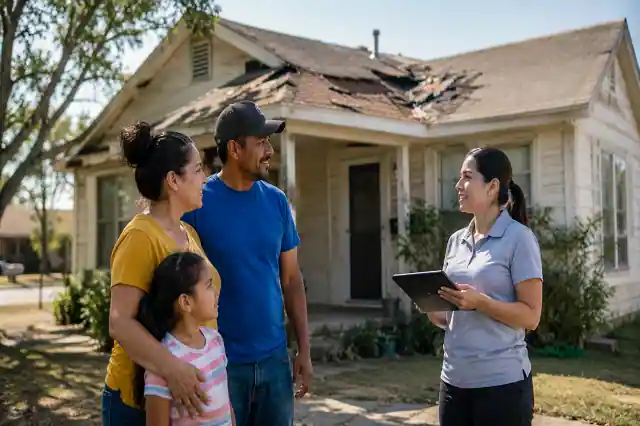
Texas homeowners continue to face rising contractor costs, aging homes, stronger storms, flooding, roof damage, and expensive utility bills. Many low-income families delay repairs because they simply cannot afford the cost.
Unfortunately, delaying repairs often creates larger problems. A small roof leak can lead to mold and damaged insulation. Old wiring may become a fire hazard. Broken heating or cooling systems may also create dangerous indoor conditions during extreme Texas temperatures.
This is why more families are searching for:
- Emergency home repair grants
- Free roof repair assistance
- Government housing repair help
- Texas home improvement grants
- Financial help for home repairs
- Housing rehabilitation assistance
Families facing urgent repair issues should also explore emergency home repair grants that may help fix unsafe housing conditions quickly.
If storm damage has caused temporary roof problems, some homeowners may qualify for emergency roof tarp grants after severe weather.
Who Qualifies for Free Home Repair Grants in Texas?
Eligibility rules vary by program, but many Texas home repair assistance programs prioritize homeowners with low income and significant health, safety, accessibility, or housing-condition needs.
You may qualify if you are:
- A low-income homeowner
- A senior citizen age 62 or older
- A disabled homeowner
- A veteran or military family
- A rural homeowner
- A single-parent household
- A homeowner affected by disasters
Most programs require:
- The home must be your primary residence
- You must legally own the property
- Your income must meet local limits
- The repairs must improve safety or livability
USDA Section 504 Home Repair Grants in Texas
The USDA Section 504 Home Repair Program is one of the best options for low-income rural homeowners in Texas.
This federal program helps eligible homeowners repair dangerous housing conditions and improve home safety.
What Repairs May Be Covered?
- Roof replacement and roof repairs
- Electrical system upgrades
- Heating and cooling repairs
- Plumbing improvements
- Foundation stabilization
- Accessibility modifications
- Weatherproofing improvements
Who May Qualify?
- Low-income rural homeowners
- Seniors age 62+
- Homeowners living in USDA-eligible areas
- Families unable to secure affordable financing
Families struggling with missing shingles after storms may also qualify for roof repair help for missing shingles.
Texas Weatherization Assistance Program (WAP)
The Texas Weatherization Assistance Program helps low-income families improve energy efficiency while lowering monthly utility bills.
During hot Texas summers, poor insulation and outdated systems can cause energy bills to rise quickly. Weatherization programs may help make homes safer and more affordable.
What May Be Covered?
- Attic insulation
- Air sealing
- HVAC system improvements
- Duct repairs
- Window upgrades
- Minor electrical repairs
- Weatherproofing improvements
Families looking to reduce heating and cooling costs should explore attic insulation grants and home insulation upgrade grants for better energy savings.
TDHCA Home Repair Programs for Low-Income Texas Families
The Texas Department of Housing and Community Affairs (TDHCA) supports housing rehabilitation programs across Texas.
Many counties and cities receive funding to help homeowners repair unsafe or unhealthy housing conditions.
Repairs That May Be Covered
- Roof replacement assistance
- Foundation repairs
- Accessibility modifications
- Structural repairs
- Electrical hazards
- Plumbing problems
- Heating and cooling replacement
Local County and City Housing Repair Programs
Many Texas cities and counties offer local housing rehabilitation funding for homeowners who cannot afford repairs.
Depending on your location, programs may help with:
- Roof leak repairs
- Unsafe plumbing systems
- Electrical hazards
- Accessibility improvements
- Water damage
- Structural repairs
Homeowners with exterior damage may also qualify for exterior home improvement grants.
Families dealing with damaged doors should also explore door replacement grants for older homes.
FEMA Home Repair Assistance After Storm Damage
Texas homeowners regularly experience floods, hurricanes, hailstorms, tornadoes, and severe weather.
When disasters strike, FEMA housing repair assistance may help eligible families repair dangerous living conditions.
FEMA Assistance May Help Cover:
- Roof damage
- Flood-related repairs
- Broken windows
- Unsafe housing conditions
- Emergency repair costs
Families affected by flooding should also review FEMA flood recovery grants for repair assistance.
HUD Home Improvement Programs for Texas Homeowners
HUD-supported repair programs may also help struggling homeowners pay for needed housing improvements.
Depending on program availability, homeowners may receive help for roof repairs, accessibility modifications, plumbing, electrical work, and energy-efficient upgrades.
Families needing extra support should also explore HUD home improvement grants for additional repair funding options.
Nonprofit Home Repair Assistance Programs in Texas
Several nonprofit organizations across Texas may provide free home repair help for families struggling with expensive repairs. These programs often work with local volunteers, housing agencies, churches, and community organizations to improve unsafe living conditions.
Depending on funding, nonprofit repair assistance may help with:
- Roof leak repairs
- Wheelchair ramps
- Accessibility upgrades
- Minor plumbing repairs
- Electrical safety issues
- Weatherproofing improvements
- Emergency home repairs
Free Roof Repair Assistance in Texas
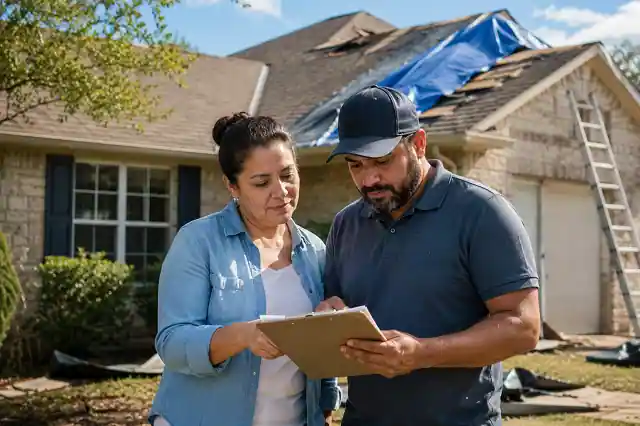
A damaged roof is one of the most expensive repair problems homeowners face. Even a small leak may lead to mold, insulation damage, damaged ceilings, and structural problems.
Fortunately, some homeowners may qualify for free roof repair grants in Texas through government agencies, local housing programs, nonprofits, and disaster recovery assistance.
Roof assistance may be available through:
- USDA repair grants
- County housing rehabilitation programs
- Emergency repair funds
- Nonprofit organizations
- Storm recovery assistance
- Weatherization programs
Homeowners dealing with serious roof damage should explore roof repair grants for homeowners and roof replacement grants to reduce expensive repair costs.
Emergency Home Repair Grants in Texas
Emergency home repair assistance may help eligible Texas homeowners address urgent health and safety problems such as serious roof damage, unsafe electrical conditions, major plumbing failures, or disaster-related housing damage. Eligibility and available funding depend on the program and the homeowner’s location and circumstances.
Emergency programs may be especially important when a repair creates an immediate health or safety concern. Homeowners should check local housing agencies, disaster assistance programs, and nonprofit providers for current availability.
Accessibility and Disability Home Repair Assistance in Texas
Low-income homeowners with disabilities may qualify for assistance with accessibility and safety improvements. Depending on the program, eligible work may include ramps, bathroom modifications, grab bars, wider doorways, and other accessibility improvements.
For broader disability-focused assistance, see our home repair grants for disabled homeowners guide.
Veteran Home Repair Assistance in Texas
Veterans and military families with low incomes may qualify for specialized housing repair or accessibility assistance. Eligibility and available benefits depend on the program, veteran status, income, disability status, property, and type of repair.
For federal and state veteran-focused options, see our home repair grants for veterans guide.
How to Apply For Home Repair Grants in Texas
Applying for free home repair grants in Texas may feel overwhelming, but preparation can improve your chances of approval.
Most programs require:
- Proof of homeownership
- Income documents
- Tax information
- Repair estimates
- Photos of damage
- Proof of residence
- Insurance information
Follow these important steps:
- Identify the repair problem.
- Research local housing programs.
- Check income eligibility.
- Gather required paperwork.
- Apply to multiple programs.
- Follow up with agencies.
- Apply early before funding ends.
7 Frequently Asked Questions About Free Home Repair Grants in Texas
1. Can low-income families get free home repair grants in Texas?
Yes. Low-income homeowners may qualify through USDA repair grants, TDHCA housing programs, weatherization assistance, county housing programs, FEMA aid, and nonprofit organizations.
2. What home repairs do Texas grants cover?
Many programs may help with roof repairs, plumbing, electrical upgrades, HVAC systems, insulation, accessibility improvements, and structural repairs.
3. Are there free roof repair grants in Texas?
Yes. Some homeowners may qualify for roof repair grants through USDA programs, nonprofits, county assistance, and storm recovery programs.
4. Can seniors qualify for home repair assistance?
Yes. Some Texas home repair programs may give priority or offer specific assistance to older homeowners, depending on the program’s eligibility rules and funding.
5. Do disabled homeowners qualify for grants?
Yes. Disabled homeowners may qualify for accessibility improvements, ramps, safer bathrooms, and mobility upgrades.
6. How do I apply for free home repair grants?
You can contact local housing agencies, USDA offices, nonprofit organizations, and county housing departments to begin the application process.
7. Can I apply for multiple programs?
You may be able to apply for more than one program when the program rules allow it. Check each program’s requirements before combining assistance.
How to Apply for Free Home Repair Grants in Texas: 7 Steps
1. How to Check Eligibility
Review age, income, disability, and ownership requirements before applying.
2. How to Gather Documents
Collect tax records, repair estimates, proof of ownership, and identification.
3. How to Find Local Housing Help
Contact city housing offices, county agencies, and nonprofit programs.
4. How to Apply for USDA Repair Grants
Contact a local USDA office and ask about Section 504 repair assistance.
5. How to Improve Approval Chances
Provide complete paperwork and document urgent repair problems.
6. How to Get Emergency Repair Help
Apply quickly after storm damage or major housing emergencies.
7. How to Combine Multiple Programs
Use federal, state, county, and nonprofit help together when possible.
Why You Can Trust This Texas Home Repair Grants Guide
Last Updated: August 9, 2026
Reviewed By: Grants & Housing Assistance Editorial Team
1. Updated for 2026
This guide includes updated housing repair information for Texas homeowners.
2. Based on Current Programs
Information is based on current federal, state, nonprofit, and disaster assistance programs.
3. Written in Simple Language
We explain complicated housing assistance programs using clear and easy English.
4. Focused on Real Financial Help
The goal is to help homeowners find real grants and repair assistance.
5. Designed for Fast Answers
The content is structured for easy reading and AI-friendly summaries.
Conclusion
Finding free home repair grants in Texas for low-income families in 2026 may take time, but help is available. USDA repair grants, Texas weatherization programs, TDHCA housing assistance, FEMA disaster aid, nonprofit programs, and county housing repair assistance may help eligible homeowners fix serious problems.
If your home needs repairs, apply early. Many programs have limited funding and may approve applications on a first-come, first-served basis.

Arthur Pendelton is a senior housing policy researcher and public welfare analyst with over eight years of experience tracking federal, state, and non-profit residential repair programs. He specializes in statutory grant frameworks, including USDA Section 504 Rural Housing, the Department of Energy’s Weatherization Assistance Program (WAP), and municipal HUD Community Development Block Grants (CDBG). Arthur systematically audits Federal Register publications and Title 7/42 CFR regulatory updates to provide low-income homeowners, seniors, and military veterans with accurate, barrier-free application guidance.