
Rural homeowners with serious home damage can get USDA 504 Home repair grants. These grants help fix safety hazards without adding new bank debt. The United States Department of Agriculture gives up to $10,000 in free grant money to low-income seniors. You do not have to pay this money back if you stay in your home.
Before you apply at your local office, check our guide on free home repair grants for seniors. This helps you compare all federal assistance programs. In this plain guide, you will learn the exact income rules under 7 CFR Part 3550, what home repairs qualify, the 3-year stay rule, and how to fill out Form RD 410-4 step by step.
| Program Rule | Standard Rural Area | Disaster Area Limit | Federal Rule Law |
|---|---|---|---|
| Maximum Grant Money | $10,000 lifetime gift | $15,000 lifetime gift | 7 CFR § 3550.103(b) |
| Maximum 1% Loan | $40,000 total loan | $40,000 total loan | 7 CFR § 3550.112(a) |
| Combined Grant and Loan | $50,000 maximum help | $55,000 maximum help | 7 CFR § 3550.102 |
| Minimum Age for Grant | Age 62 or older | Age 62 or older | 7 CFR § 3550.103(a) |
| Years You Must Live in Home | 3 full years (36 months) | 3 full years (36 months) | 7 CFR § 3550.111 |
Who Can Get USDA 504 Grants and What Are the Income Limits?
Getting approved for USDA home 504 repair grants requires meeting basic federal rules. First, your house must sit in an approved rural town. In most cases, this means an open country area or a small town with fewer than 35,000 people. You can check your street address on the official USDA map before you do any paperwork. If you live inside a big city, review our guide on HUD home improvement grants for seniors to find local city repair programs.
You must also own your home and live in it full time. You can show proof with a property deed or a life estate paper. If you live in a mobile home, you must own the land under it. The mobile home must also sit on a permanent concrete or block foundation. Most importantly, you must be 62 years of age or older to get a free grant. If you are under 62, the USDA cannot give you a free grant. However, you can still get their low-interest 1 percent repair loan to fix your home.
Your total household income must be very low. The USDA defines this as earning less than 50 percent of the median income in your county. The government looks at everyone who lives in your house. They count Social Security checks, small pensions, disability payments, and job wages. If you have cash in the bank above $5,000, they check that as well. But they also let you subtract real costs, such as medical bills and out-of-pocket doctor fees.
| Family Size | Average Low-Income Limit | Allowed Cost Deductions | Cash Savings Limit |
|---|---|---|---|
| 1 Person | $31,850 per year | $400 standard senior deduction | $15,000 cash in bank |
| 2 Persons | $36,400 per year | Medical bills over 3% of income | $15,000 cash in bank |
| 3 Persons | $40,950 per year | $480 for each young child | $20,000 cash in bank |
| 4 Persons | $45,500 per year | $480 for each young child | $20,000 cash in bank |
What Home Repairs Can You Fix With This Grant?
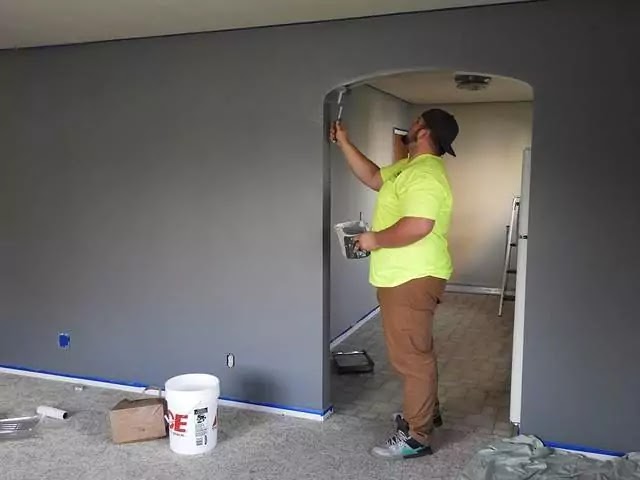
When you receive USDA 504 home repair grants, the law says you must use the funds to remove safety risks or make the home safe to live in. You cannot use the money for pretty upgrades or luxury work. For instance, you cannot buy granite counters, build a new patio, or paint a room just to change the color. A USDA inspector visits your house to make sure every repair is truly needed for health and safety.
- Fixing Leaking Roofs: Tearing off broken shingles, putting down dry plywood, and installing strong new asphalt shingles to stop water damage. You can read our detailed guide on USDA Section 504 roof repair grants to see exact roofing rules.
- New Heaters and Coolers: Taking out broken gas furnaces or old oil burners and putting in modern electric heat pumps. If your heating system is dead in the winter, also check our review of free heating and cooling grants for fast utility help.
- New Energy Windows: Taking out drafty, broken wooden windows and putting in double-pane glass to keep cold air out, as explained in our guide on window replacement grants for seniors.
- Safe Electric Wiring: Removing dangerous knob-and-tube wires or small fuse boxes, and putting in safe 200-amp breaker panels so your home does not catch fire.
- Clean Water and Septic Tanks: Drilling a clean drinking water well, replacing old lead pipes, or putting in a new concrete septic tank when waste backs up into the house.
- Wheelchair and Mobility Ramps: Building wooden or metal ramps, widening small doorways to 36 inches, and putting in walk-in showers with grab bars. If you served in the military, read our report on home repair grants for disabled veterans for added VA help.
You do not make monthly payments on a USDA grant. But there is one big rule to know. You must live in your home for at least 3 years (36 months) after the work is done. If you sell the home, move away, or rent it out before 3 years pass, you must pay all the grant money back to the government. Once you stay the full 3 years, the grant is 100% free, and you never owe a dime.
How the 1% Loan and Grant Work Together
Sometimes a house needs much more work than $10,000 can cover. For example, if your foundation is cracked and your roof is falling in, the repair bill might reach $25,000 or $35,000. In this case, the USDA offers a package deal. They give you the $10,000 free grant and combine it with a low-cost Section 504 loan. This combo helps you fix the entire house in one project.
The Section 504 loan gives up to $40,000. The interest rate is locked at just 1 percent for up to 20 years. Because the interest rate is so low, monthly payments are very small. For every $1,000 you borrow, your payment is only about $4.60 per month. If you borrow $10,000 to add to your grant, you pay about $46 per month. There is no minimum credit score required to qualify, but the USDA makes sure you can afford the monthly bill.
The law requires the loan officer to check your budget first. If the officer finds that you can afford a small monthly loan payment, they must offer you the loan for part of the work. The free grant money goes toward the rest of the bill that you cannot afford. This protects government funds while still making sure your home is fully repaired and safe.
How to Apply for Section 504 Grants Step by Step
To apply for USDA 504 repair grants, you work directly with your regional USDA Rural Development office. You do not need to pay any private website or online broker. Applying on your own is simple if you follow these five steps in order:
- Check Your Address: Go to the USDA Rural Eligibility website. Type in your street address to confirm your home is in an approved rural zone. Print this page for your file.
- Gather Your Money Papers: Collect your last two bank statements, your latest Social Security award letter, pension papers, and your current property tax bill showing your name on the deed.
- Get Two Contractor Bids: Call two licensed and insured local repair contractors. Ask them for a written quote that lists labor costs, building materials, and local city permits. The USDA will reject a simple one-line price estimate.
- Fill Out Form RD 410-4: Download and complete the official Uniform Residential Loan Application. Clearly check the box for Section 504 grant assistance on the top page. Also sign Form RD 3550-1 so the USDA can verify your income.
- Send to Your Local Office: Mail or take your full paperwork packet to your nearest USDA Rural Development office. A federal loan specialist will review your files in about 30 to 60 days.
Frequently Asked Questions About USDA 504 Grants
Do I ever have to pay this grant money back?
No, you do not make monthly payments on a grant. The grant money is completely free as long as you live in the home for 3 full years after the work is done. If you move out, give the house away, or sell it before 3 years, the government will ask for the money back out of the home sale.
Can my son or brother do the work and get paid?
No. Federal rules strictly forbid hiring family members or doing the work yourself. The repairs must be done by an independent, licensed contractor with full insurance. This ensures all work meets safety codes and passes final inspection.
How long does it take to get the repair money?
Most applications take between 45 and 90 days from the day you turn in all your papers. If your heat goes out in the middle of winter, or your roof has caved in, tell your local USDA office right away. They can rush emergency safety repairs when funds are open.
Your Next Steps and Easy Filing Checklist
Getting your home fixed through a federal grant takes a little patience, but the savings are huge. Before you send your application to the USDA office, use this quick checklist to make sure your folder is complete:
- Confirm Your Town Qualifies: Run your street address through the USDA rural map before you spend time getting quotes from builders.
- Keep Both Bids Alike: Make sure both builders write down quotes for the exact same repair job. Both contractors must be licensed and carry worker insurance.
- Gather Medical Receipts: If you spend lots of money on prescriptions or doctor visits, collect those bills. These costs can lower your income on paper so you qualify.
- Apply Early in the Year: USDA state offices get new money pools every year on October 1st. Sending your papers in during the fall and winter helps you get approved before the cash runs out.
- Look at Other Grants If Bills Are High: If your home needs more than $10,000 in roof work, review our guide on roof replacement grants for seniors to find other free programs before you take on a loan.
By following these verified steps, rural homeowners can access USDA 504 repair grants quickly, protect their home, and keep their life safe without taking on painful monthly debt.
Editorial Standards & Review Policy
Real Experience: Our housing team writes these guides after reviewing USDA Rural Development field manuals, local county income charts, and real contractor bids.
Verified Rules: All program terms in this guide come directly from federal regulations under Title 7 of the Code of Federal Regulations, Part 3550, Subpart C.
Public Trust: We never charge fees, collect private data, or recommend private high-interest loan lenders. Our links go straight to verified government agencies.
Last Verified and Updated: October 2026. To read how we check our facts, visit our editorial policy page.