Skip to content
home property grants
Menu
  • Home
  • Home Buyer Grants
  • Home Repair Grants
  • Window Replacement
  • Roof Replacement
Menu
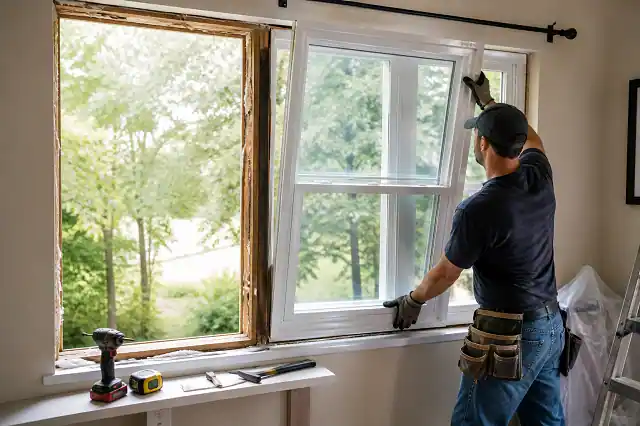
Worker installing new double-pane window during window replacement process with tools and daylight scene

Free Window Replacement Grants For Senior Citizens 2026

Posted on May 2, 2026August 13, 2026 by Homepropertygrants

Senior homeowners may qualify for free or partially funded window replacement in 2026 through weatherization services, USDA rural home-repair assistance, local housing rehabilitation programs, nonprofit window assistance, utility rebates, and state energy-efficiency programs. However, there is no single nationwide federal grant that automatically pays for replacement windows for every senior.

Can seniors get free window replacement in 2026?

Some low-income senior homeowners may receive free or partially funded window replacement through the Weatherization Assistance Program, USDA Section 504, local housing rehabilitation, nonprofit assistance, or state energy programs. Eligibility depends on income, age where applicable, homeownership, property condition, location, energy needs, and available funding. Being a senior alone does not guarantee free windows.

If you are a senior homeowner looking for assistance, first identify why the windows need work. The strongest program match may be different when the problem is energy loss, unsafe or damaged windows, water intrusion, deteriorated frames, or a health and safety hazard.

For the broader national window-assistance framework, see our free window replacement grants for low-income homeowners 2026 guide.

Important: A program may inspect the home before deciding which improvements are eligible. Do not assume that every old window will be replaced or that a program will reimburse work that you started before approval.

Post Contents

Toggle
  • Window Replacement Assistance for Senior Citizens in 2026
  • Why Window Replacement Can Matter for Senior Homeowners
  • USDA Section 504 Home Repair Grants for Seniors
    • Section 504 Assistance Limits
    • When Could Windows Fit Section 504?
  • Weatherization Assistance Program for Senior Homeowners
    • Does WAP Replace Windows for Seniors?
  • Home Energy Rebates and Window Upgrades
    • When Should a Senior Check Home Energy Rebates?
  • HUD-Funded Local Housing Rehabilitation Programs
  • LIHEAP and Energy-Related Assistance
  • Utility Rebates for Energy-Efficient Windows
  • Federal Window Tax Credit Changes for 2026
  • What Type of Windows May Be Appropriate for Assistance?
  • Window Problems That May Support an Assistance Application
  • Special Situations for Senior Homeowners
    • Seniors Who Also Have a Disability
    • Seniors Who Are Veterans
    • Seniors Living in Manufactured Homes
  • How Much Does Window Replacement Cost?
  • Who Qualifies for Senior Window Replacement Assistance?
    • Does Being 60, 62, or 65 Automatically Qualify a Senior?
  • How to Apply for Window Replacement Assistance as a Senior
    • Senior Window Assistance Application Checklist
  • How to Improve the Strength of Your Application
    • Document the Actual Problem
    • Use a Detailed Estimate
    • Match the Program to the Need
    • Do Not Start Work Too Early
  • Can Senior Homeowners Combine Grants, Rebates, and Other Assistance?
  • What If a Senior Is Denied?
  • Common Mistakes Senior Homeowners Should Avoid
  • Frequently Asked Questions About Window Replacement Grants for Seniors
    • Can senior citizens get free window replacement in 2026?
    • What age qualifies for senior window assistance?
    • Does USDA Section 504 pay for replacement windows?
    • Does WAP replace windows for seniors?
    • Can LIHEAP pay for window replacement?
    • Is there a federal window tax credit for seniors in 2026?
    • Can seniors get window rebates from their utility?
    • Can seniors combine a window grant with a utility rebate?
  • Why This Guide Is Reliable
  • Conclusion
    • Related

Window Replacement Assistance for Senior Citizens in 2026

Older windows can create special problems for senior homeowners, particularly when the household depends on Social Security, retirement income, or another fixed income. Drafts, failed seals, damaged frames, condensation, and windows that are difficult to open or close can affect comfort, safety, and household energy use.

Assistance can come in several forms. Some programs provide approved improvements directly rather than giving the homeowner cash. Others provide grants, rebates, loans, or local rehabilitation assistance. These funding types should not be treated as the same thing.

Assistance TypeHow It May Help SeniorsImportant Limitation
Weatherization assistanceMay provide eligible energy-efficiency and health-and-safety improvements after an assessmentWindow replacement is not guaranteed
USDA Section 504May help qualifying rural senior homeowners address eligible health and safety hazardsGrant eligibility includes age, income, rural location, ownership, and other requirements
Local housing rehabilitationMay help with deteriorated or unsafe windows when the local program allows the workRules and funding vary by location
Home Energy RebatesMay provide rebates for eligible whole-home energy upgrades in participating areasState, territory, or Tribal programs determine availability and eligible products
LIHEAPMay help eligible households with energy costs, crises, weatherization, and certain minor energy-related repairsIt is not a nationwide window-replacement grant
Nonprofit assistanceMay provide repair services, materials, referrals, or partial assistanceAvailability depends on the local organization
Utility rebatesMay reduce the cost of qualifying energy-efficient windowsUtility rules, products, and rebate amounts vary
Reverse mortgageMay allow an eligible senior to access home equity for housing expensesIt is financing, not a grant, and must be evaluated carefully

Seniors who need several different repairs can use our home repair grants for senior citizens guide, while this article remains focused specifically on windows.

Worker installing new double-pane window during window replacement process with tools and daylight scene

Why Window Replacement Can Matter for Senior Homeowners

Window problems are not always cosmetic. Poorly sealed windows can increase heat transfer, while damaged frames can allow moisture into the surrounding structure.

  • Drafts can make rooms uncomfortable.
  • Air leakage can increase heating and cooling demand.
  • Failed seals can allow moisture between panes.
  • Rotten frames can allow water damage to spread.
  • Difficult-to-operate windows can create safety or accessibility concerns.
  • Broken glass can create an immediate hazard.
  • Older inefficient windows can contribute to higher energy use.

The U.S. Department of Energy (DOE) explains that heat gain and heat loss through windows can account for approximately 25% to 30% of residential heating and cooling energy use. Actual savings from replacement vary by climate, existing window condition, building design, installation quality, and household energy use.

Energy-efficiency statistic: Because windows can have a meaningful effect on heating and cooling demand, energy programs may evaluate windows together with air sealing, insulation, heating and cooling equipment, and other efficiency measures.

For a specific problem involving damaged wooden frames, see our guide to window frame rot repair and replacement grants.

USDA Section 504 Home Repair Grants for Seniors

For qualifying rural senior homeowners, the Section 504 Home Repair program is one of the most important federal programs to investigate.

The U.S. Department of Agriculture Rural Development (USDA) states that the program provides loans to very-low-income homeowners to repair, improve, or modernize their homes and grants to elderly very-low-income homeowners to remove health and safety hazards.

For a grant, the homeowner generally must be 62 or older, own and occupy the home, meet the applicable very-low-income limit, be unable to obtain affordable credit elsewhere, and live in an eligible rural area. USDA makes the final determination.

Section 504 Assistance Limits

The following amounts are based on current U.S. Department of Agriculture Rural Development (USDA) Section 504 program information. Actual assistance depends on eligibility, property requirements, available funding, and applicable program rules.

Section 504 AssistanceMaximumImportant Point
Home repair loanUp to $40,000For eligible very-low-income rural homeowners
Home repair grantUp to $10,000For qualifying homeowners age 62+ to remove health and safety hazards
Combined loan and grantUp to $50,000Subject to program eligibility and funding
Disaster-area grantUp to $15,000Special rules apply to qualifying homes damaged in presidentially declared disaster areas
Disaster-area combined assistanceUp to $55,000Subject to applicable requirements

Official source: Current Section 504 assistance limits and eligibility requirements should be confirmed with the U.S. Department of Agriculture Rural Development (USDA) before relying on a specific funding amount.

The U.S. Department of Agriculture Rural Development (USDA) states that Section 504 loans have a fixed 1% interest rate and a 20-year term. USDA also provides specific rules for grant limits, repayment, and disaster-related assistance. Applicants should confirm the current applicable limits and conditions with USDA before relying on a specific funding amount.

Senior homeowner note: Section 504 is not a general “free window grant.” A window project must fit the program’s allowable purpose. Ask USDA Rural Development whether the proposed work addresses an eligible health or safety hazard before purchasing windows.

For a more detailed explanation of the program, see our Section 504 home repair program guide.

When Could Windows Fit Section 504?

A window project may be relevant when the existing condition contributes to an eligible health or safety hazard. Examples can include severely deteriorated windows, unsafe glazing, water intrusion, damaged frames, or other conditions that make the home unsafe.

Having an old window or living in a rural area does not automatically establish eligibility. USDA evaluates the homeowner, property, income, rural eligibility, and proposed repair.

Weatherization Assistance Program for Senior Homeowners

The Weatherization Assistance Program (WAP) is another important pathway for low-income senior households when inefficient windows are part of a broader energy-efficiency or health-and-safety problem.

The U.S. Department of Energy (DOE) explains that WAP reduces energy costs for low-income households by improving energy efficiency while ensuring health and safety. The program is administered through states, territories, Tribes, and local weatherization providers.

The U.S. Department of Energy (DOE) reports that the Weatherization Assistance Program provides weatherization services to approximately 35,000 homes each year using DOE funds and supports about 8,500 jobs. These figures describe the overall program and should not be interpreted as a guaranteed number of homes that will receive assistance in a particular state or year.

WAP QuestionWhat Seniors Should Know
Who can apply?Eligible low-income homeowners and renters, subject to state, territory, or Tribal rules
Does age help?Yes. DOE identifies elderly households as a priority category in the application process
Does WAP automatically replace windows?No. The local provider determines eligible work after assessment
How is the work selected?The home is evaluated to identify appropriate energy-efficiency and health-and-safety measures
Where does a homeowner apply?Through the appropriate state, local, or Tribal weatherization provider

Does WAP Replace Windows for Seniors?

WAP may address window-related work when the local assessment determines that the improvement is eligible and appropriate. However, it should not be presented as a guaranteed free window-replacement program.

A weatherization provider may evaluate:

  • Air leakage around window openings.
  • Insulation.
  • Air sealing.
  • Heating and cooling equipment.
  • Moisture and health-and-safety conditions.
  • Other energy-saving measures.

Warning: Do not pay a contractor for replacement windows before confirming whether the weatherization provider requires prior approval. Some programs authorize work only after the home assessment.

Home Energy Rebates and Window Upgrades

Senior homeowners should distinguish rebates from grants when researching energy-efficient window assistance.

The U.S. Department of Energy (DOE) explains that the Home Energy Rebates program includes the Home Owner Managing Energy Savings (HOMES) rebate and the High-Efficiency Electric Home Rebate (HEEHR) program. The HOMES program can provide up to $8,000 for qualifying whole-home energy upgrades, subject to program requirements and the applicable state, territory, or Tribal implementation.

The U.S. Department of Energy (DOE) identifies windows as a potential HOMES rebate category and explains that qualifying projects may receive up to $8,000 when the applicable requirements are met. Availability, income rules, project requirements, and implementation details depend on the applicable state, territory, or Tribal program.

Important distinction: A Home Energy Rebate is not the same as a grant. The state, territory, or Tribal program determines how the rebate is implemented and which products and projects qualify.

When Should a Senior Check Home Energy Rebates?

  • The home needs a broader energy-efficiency upgrade.
  • Your state, territory, or Tribe has an active rebate program.
  • The proposed work meets the program’s energy-saving requirements.
  • The selected product meets applicable program specifications.
  • You have not started work when prior approval is required.

Do not rely on an old rebate amount. Check the current program administered by your state, territory, or Tribe before purchasing the windows.

HUD-Funded Local Housing Rehabilitation Programs

The U.S. Department of Housing and Urban Development (HUD) Community Development Block Grant (CDBG) program provides annual grants to states, cities, and counties for community development activities that principally benefit low- and moderate-income people. HUD guidance also recognizes residential rehabilitation as an eligible CDBG activity.

That does not mean HUD has one nationwide window-replacement application for senior homeowners. Local governments decide how their CDBG-funded housing activities operate.

CDBG QuestionSenior Homeowner Answer
Who receives CDBG funding?Eligible states, cities, counties, and qualifying local governments
Can housing rehabilitation be eligible?Yes, residential rehabilitation can be an eligible CDBG activity
Does HUD directly approve my window project?Generally no; the local CDBG recipient administers the local program
Could window work be included?Possibly, if the local housing rehabilitation program permits it
Where should seniors start?Local housing, community development, or rehabilitation department

This makes CDBG most useful as a local housing-rehabilitation pathway, not as a guaranteed national senior window grant.

If you want to understand the local rehabilitation side in greater detail, see our HUD-funded home rehabilitation guide.

LIHEAP and Energy-Related Assistance

The Low Income Home Energy Assistance Program (LIHEAP) can be relevant when a senior household is struggling with energy costs or an energy crisis.

The U.S. Department of Health and Human Services (HHS) explains that LIHEAP provides federally funded assistance related to home energy bills, energy crises, weatherization, and minor energy-related home repairs.

However, LIHEAP is not a nationwide window-replacement grant. The services available to homeowners vary by state and territory.

LIHEAP note: If the main problem is an unaffordable heating or cooling bill or an energy crisis, LIHEAP may be relevant. If the goal is specifically to replace windows, ask the state LIHEAP agency whether its current weatherization or minor-repair services apply.

Utility Rebates for Energy-Efficient Windows

Utility rebates can be one of the most practical options for seniors who do not qualify for a grant but want to reduce the cost of qualifying energy-efficient windows.

The U.S. Department of Energy (DOE) notes that some utilities offer rebates or other incentives for ENERGY STAR-qualified residential windows.

The U.S. Environmental Protection Agency and U.S. Department of Energy’s ENERGY STAR program also provides a product and rebate finder for qualifying residential windows.

Before Buying WindowsWhat to Confirm
Rebate availabilityWhether your utility currently offers a window rebate
Product requirementsRequired efficiency rating, certification, U-factor, or SHGC
Contractor requirementsWhether an approved installer is required
PreapprovalWhether the utility must approve the project before installation
Rebate deadlineWhether installation must occur within a specified period
Other assistanceWhether the rebate can be combined with another funding source

Federal Window Tax Credit Changes for 2026

Seniors should be especially careful with older articles that still advertise the federal Energy Efficient Home Improvement Credit as a 2026 window benefit.

The Internal Revenue Service (IRS) currently states that the credit applies to qualifying improvements made through December 31, 2025. IRS guidance also states that the Section 25C credit is not allowed for property placed in service after December 31, 2025.

2026 tax-credit warning: Do not tell a senior homeowner that a new window installation in 2026 automatically qualifies for the former federal Section 25C window credit. That federal credit ended for property placed in service after December 31, 2025.

State, local, and utility incentives may still exist. Those programs should be checked separately rather than confused with the former federal tax credit.

What Type of Windows May Be Appropriate for Assistance?

If a program approves window work, the product may need to satisfy specific efficiency or performance requirements.

The U.S. Department of Energy (DOE) explains that window performance depends on factors such as U-factor, solar heat gain coefficient, frame material, glazing, and climate zone.

Window FeatureWhy It Matters
U-factorMeasures the rate of heat transfer through the window
Solar Heat Gain CoefficientIndicates how much solar heat enters through the window
Low-E glassCan reduce unwanted heat transfer when appropriately specified
Insulated glazingMultiple panes can improve thermal performance
Climate-zone ratingThe most suitable performance characteristics depend on local climate
ENERGY STAR certificationCan help homeowners identify qualifying efficient products and rebate opportunities

The U.S. Environmental Protection Agency and U.S. Department of Energy’s ENERGY STAR program (ENERGY STAR) states that replacing single-pane windows with ENERGY STAR-certified windows can lower household energy bills by an average of up to 13% nationwide, although actual savings vary by home and climate.

Senior homeowner tip: Do not automatically choose the most expensive window. Ask the program or contractor which performance specifications are required for your climate and whether the proposed model meets the funding program’s rules.

For homeowners dealing with failed insulated glass rather than complete window deterioration, our guide to grants for replacing foggy double-pane windows covers that specific problem.

Window Problems That May Support an Assistance Application

Programs generally evaluate the condition, purpose, and necessity of the work rather than simply the age of the windows.

  • Broken or cracked glass.
  • Severely deteriorated frames.
  • Water intrusion.
  • Persistent drafts.
  • Failed seals and moisture between panes.
  • Windows that cannot close or lock safely.
  • Major air leakage.
  • Windows identified during an energy assessment as an important source of energy loss.

Single-pane windows or old windows do not automatically guarantee assistance. A program may determine that repair, weatherstripping, storm windows, air sealing, or another measure is more appropriate.

If the main problem is deteriorated wood, see our guide to grants for replacing wooden windows with rot damage.

Special Situations for Senior Homeowners

Seniors Who Also Have a Disability

A senior homeowner who also has a disability may have access to additional disability-focused housing resources. The relevant program depends on the type of need, income, homeownership, and whether the requested work is an accessibility modification or an energy/safety repair.

For a separate explanation of that audience, see our energy-efficient window replacement assistance for disabled homeowners.

Seniors Who Are Veterans

A senior veteran should check whether veteran-specific housing assistance applies in addition to general senior programs. Veteran eligibility does not automatically make ordinary window replacement a VA-covered project, so the proposed work must match the requirements of the applicable program.

See our window replacement assistance for veterans guide for the veteran-specific pathway.

Seniors Living in Manufactured Homes

Manufactured and mobile homes can require different window sizes, installation methods, sealing, and structural considerations. A senior living in a manufactured home should tell the program and contractor about the property type before obtaining an estimate.

Our mobile home window replacement grants guide covers this specialized situation.

How Much Does Window Replacement Cost?

Window replacement costs vary significantly according to window size, material, installation method, frame condition, number of windows, labor rates, permits, and location.

Instead of relying on a single national price, seniors should obtain a written estimate that separates the main components of the project.

Cost ComponentWhat the Estimate Should Show
WindowsNumber, size, model, material, glazing, and efficiency specifications
InstallationLabor, removal, installation, sealing, and cleanup
Frame repairsRot, structural deterioration, or opening repairs
WeatherproofingFlashing, sealing, caulking, and related work
DisposalRemoval and disposal of old windows
PermitsRequired local permits or inspection costs

A detailed estimate can help an agency determine whether the requested project is reasonable and whether the work fits the program’s allowable scope.

For a broader comparison of window assistance types, see our home window replacement grants guide.

Who Qualifies for Senior Window Replacement Assistance?

There is no single age, income, or property rule for every window assistance program. Each program establishes its own eligibility requirements.

Eligibility FactorWhy It Matters
AgeSome programs have senior-specific requirements; USDA Section 504 grants require age 62 or older
Household incomeLow-income programs use applicable income limits
HomeownershipMany homeowner programs require the applicant to own and occupy the property
Primary residenceMany assistance programs are intended for the home where the applicant lives
Property conditionSafety, deterioration, water intrusion, or energy problems may affect program evaluation
LocationUSDA requires an eligible rural area; local programs have their own geographic boundaries
Energy needWeatherization programs may consider energy burden and potential energy savings
Funding availabilityAn otherwise eligible homeowner may face a waiting list or limited local funding

Does Being 60, 62, or 65 Automatically Qualify a Senior?

No. Age thresholds are program-specific.

For example, USDA Section 504 grants require the homeowner to be 62 or older. Another local senior program may use a different threshold, while some energy programs do not have a senior-specific age requirement.

Therefore, do not treat “60+” or “65+” as a universal qualification for free window replacement.

How to Apply for Window Replacement Assistance as a Senior

The application process differs by program, but the following sequence helps keep the search focused.

  1. Identify the window problem. Document drafts, broken glass, frame deterioration, water intrusion, condensation, or other conditions.
  2. Determine the primary need. Decide whether the project is mainly related to energy efficiency, health and safety, deterioration, or affordability.
  3. Check senior-specific eligibility. If you are 62 or older, investigate USDA Section 504 if you also meet its rural, income, ownership, and other requirements.
  4. Check weatherization. Contact the appropriate state or local WAP provider if energy efficiency is important.
  5. Check local rehabilitation programs. Contact your city, county, or local housing/community development department.
  6. Check state energy rebates. Look for an active Home Energy Rebates program and applicable utility incentives.
  7. Check nonprofit window assistance. Review legitimate local nonprofit organizations that specifically provide housing repair or weatherization assistance.
  8. Gather documentation. Prepare income, ownership, identification, utility, and property-condition records.
  9. Complete the required assessment. Allow the program or its provider to determine which work is eligible.
  10. Wait for required approval. Do not start work when the program requires authorization before construction.

Senior Window Assistance Application Checklist

Keep these documents available when requested:

  • Proof of age when required.
  • Proof of household income.
  • Proof of homeownership.
  • Proof that the property is your primary residence.
  • Recent utility bills when requested.
  • Photos of damaged, deteriorated, or inefficient windows.
  • Property tax or mortgage information when requested.
  • Contractor estimate when required.
  • Relevant medical or accessibility documentation when applicable.
  • Completed application forms.

How to Improve the Strength of Your Application

A strong application connects the requested window work to the purpose of the program. Asking for expensive windows without documenting the need is usually less useful than clearly showing the condition of the existing windows.

Document the Actual Problem

Photograph broken glass, deteriorated frames, water intrusion, failed seals, visible gaps, and other problems. Explain how the condition affects safety, comfort, energy use, or the ability to remain safely in the home.

Use a Detailed Estimate

Ask the contractor to separate the windows, installation, frame repairs, disposal, permits, and other costs. If an energy-efficiency program is involved, include the proposed product specifications.

Match the Program to the Need

Use USDA Section 504 when the household and rural property meet its requirements. Consider WAP when energy efficiency and eligible health-and-safety work are central to the project. Consider local rehabilitation programs when the project is primarily a housing condition or safety issue.

Do Not Start Work Too Early

Some programs require approval before work begins. Starting construction first can make the expense ineligible.

Application strategy: You can investigate several legitimate funding sources, but do not assume the same expense can be paid twice. Disclose other applications or awards when required and ask each administrator whether assistance can be combined.

Can Senior Homeowners Combine Grants, Rebates, and Other Assistance?

Sometimes, but the rules of each program control.

A senior homeowner might qualify for a local rehabilitation program and separately find a utility rebate for an eligible energy-efficiency improvement. That does not automatically mean both sources can pay for the same portion of the project.

Before relying on more than one funding source, ask each administrator:

  • Can another grant or rebate be used for the same project?
  • Does the program require disclosure of other assistance?
  • Can another source pay for a different part of the project?
  • Must the homeowner receive approval before work starts?
  • Will receiving one benefit reduce another benefit?
Funding TypeRepayment?Typical Role
GrantUsually no, subject to program conditionsEligible repairs or direct home improvements
Weatherization serviceUsually no direct repaymentEligible energy-efficiency and health-and-safety improvements
RebateNo repayment, but eligibility conditions applyPartial reimbursement for qualifying purchases or upgrades
LoanYesRepairs when grant assistance is unavailable or insufficient
Reverse mortgageYes, under loan termsAccess to home equity for eligible homeowners

What If a Senior Is Denied?

A denial from one program does not necessarily mean that no assistance is available.

First, identify the reason for the denial. It may relate to income, location, incomplete documents, an ineligible repair, insufficient funding, or the program determining that another improvement should receive priority.

Ask whether the application can be corrected, whether a waiting list is available, whether a future funding cycle will reopen, or whether another administering organization offers a better match.

If the window problem is part of a larger repair need, our Home Repair Program Finder 2026 can help organize the search without changing the primary focus of this article.

Common Mistakes Senior Homeowners Should Avoid

  • Assuming age alone guarantees free windows.
  • Calling every rebate a grant.
  • Assuming WAP automatically replaces all windows.
  • Assuming USDA Section 504 pays for any window simply because the homeowner is over 62.
  • Using outdated 2025 tax-credit information for a 2026 installation.
  • Starting construction before required approval.
  • Submitting incomplete income or ownership documentation.
  • Paying a contractor before confirming program requirements.
  • Assuming every CDBG-funded community uses the same application rules.
  • Submitting the same expense to multiple programs without permission.
  • Ignoring local utility rebates that may reduce the remaining cost.

Frequently Asked Questions About Window Replacement Grants for Seniors

Can senior citizens get free window replacement in 2026?

Some eligible senior homeowners may receive free or partially funded window improvements through weatherization, USDA Section 504, local housing rehabilitation, nonprofit assistance, or state energy programs. There is no universal federal grant that guarantees free replacement windows to every senior.

What age qualifies for senior window assistance?

There is no universal senior age requirement. Program rules differ. USDA Section 504 grants require the homeowner to be at least 62, while other programs may use different age rules or have no senior-specific requirement.

Does USDA Section 504 pay for replacement windows?

A window project may be eligible when it is part of an approved repair that meets Section 504 requirements, particularly when the work addresses an eligible health or safety hazard. USDA makes the final determination based on the homeowner, property, and proposed work.

Does WAP replace windows for seniors?

WAP may fund eligible window-related work when the local assessment determines that the improvement is appropriate under weatherization rules. Complete window replacement is not guaranteed for every senior household.

Can LIHEAP pay for window replacement?

LIHEAP primarily assists with home energy costs and energy crises, and federal guidance also includes weatherization and minor energy-related home repairs. Specific services vary by state. Seniors should check their state LIHEAP agency rather than assuming window replacement is covered.

Is there a federal window tax credit for seniors in 2026?

The federal Energy Efficient Home Improvement Credit under Section 25C applies to qualifying improvements made through December 31, 2025. It does not provide a general federal tax credit for qualifying window property placed in service after that date.

Can seniors get window rebates from their utility?

Some utilities offer rebates or other incentives for qualifying energy-efficient windows. Availability, product requirements, rebate amounts, and contractor rules vary by utility and location.

Can seniors combine a window grant with a utility rebate?

Possibly, but the programs’ rules control. Before relying on both sources, ask each administrator whether the same project expense can receive assistance from another program and disclose other funding when required.

Why This Guide Is Reliable

Last Updated: August 2026

Reviewed By: Housing Assistance Research Team

This guide is reviewed against current federal program information and official agency guidance, with particular attention to eligibility requirements, funding limits, program purpose, and changes affecting 2026 applicants.

  • Federal programs are distinguished from state and local programs.
  • USDA Section 504 is presented as a rural home-repair program rather than a universal senior window grant.
  • Weatherization is described as an assessment-based program rather than guaranteed window replacement.
  • HUD CDBG is explained as locally administered funding rather than a direct nationwide homeowner grant.
  • LIHEAP is distinguished from dedicated window-replacement programs.
  • Home Energy Rebates are identified as rebates rather than guaranteed grants.
  • Utility incentives are separated from federal grants.
  • The former federal Section 25C window credit is not presented as a 2026 benefit.
  • Program maximums are described as limits rather than guaranteed awards.
  • Readers are encouraged to verify current requirements before beginning work.

Official-source reminder: Federal program rules, local funding, and eligibility requirements can change. Always confirm current requirements with the administering agency before signing a contract or beginning window replacement work.

Conclusion

Free window replacement assistance for senior citizens in 2026 is possible, but it is not a single nationwide benefit. The best opportunity depends on matching the homeowner’s situation to the right program.

A low-income senior homeowner in an eligible rural area should investigate USDA Section 504. A low-income household with significant energy-efficiency needs should check the Weatherization Assistance Program. Seniors in areas with active Home Energy Rebates or utility incentives should check those programs, while local housing rehabilitation and nonprofit organizations may provide additional options.

The important distinction is that grants, weatherization services, rebates, loans, and reverse mortgages are different forms of assistance. A program may provide an approved improvement directly rather than giving the homeowner cash.

The strongest application starts with documentation. Photograph the window problem, gather income and ownership documents, obtain a written estimate when required, complete the program’s assessment, and wait for approval before beginning work when prior authorization is required.

Most importantly, do not rely on outdated claims that every senior can receive free windows or that the former federal window tax credit automatically applies in 2026. Current program rules, local funding, household eligibility, and the actual condition of the windows determine what assistance may be available.

For the broader national framework, continue to our Window Replacement Grants 2026 guide.

Share this:

  • Share on Facebook (Opens in new window) Facebook
  • Share on X (Opens in new window) X

Related

Leave a ReplyCancel reply

  • home buying loans for veteransVA Home Loan Programs-Get First Time Home Loans Of $400,000
  • Home Buyer Grants and Programs For TeachersTop 10 Home Buyer Grants For Teachers-Check Eligibility 2026
  • single mother home buyer grantsFirst Time Home Buyer Grants For Single Moms-Housing Assistance
  • contractor repairing water damaged interior drywall panels with joint compoundInterior Drywall Panels Repair Grants to Fix Water Damage in Homes
  • different types of government grants available for home improvement and repair. The image shows icons representing medical bills, education costs, home maintenance, electrical wiring, security system, rehabilitating a house, and repairing a garage floorExploring Free Grants For Garage Floor Repair

Archives

  • About Us
  • Contact Us
  • Disclaimer
  • Privacy Policy
  • Terms and Conditions

©2026 Home Property Grants and Finance | Design: Newspaperly WordPress Theme