
Leaking roofs and broken heaters cost families between $3,500 and $18,000. Official home repair grants for SSI recipients provide free public money. These grants fix serious home hazards without costly bank debt. Homeowners can use the parent home repair grants guide to compare housing programs before hiring builders. Public programs offer awards from $1,500 to $25,000. Funds replace rotted wood framing, fix broken sewer pipes, and install accessible showers. Eligible families resolve dangerous hazards while protecting their monthly benefit checks.
SSI does not issue direct repair checks. But receiving SSI proves low household income. This status helps you qualify for federal and city repair programs. Section 504 rules protect rural homeowners under 7 CFR Part 3550. Cities run urban repair programs under 24 CFR Part 570. Energy upgrades follow 10 CFR Part 440 rules. Programs require property deeds, award letters, and damage proof.
For 2026, SSI recipients qualify for automatic income checks under HUD rules. USDA Section 504 direct grants provide up to $10,000 for rural seniors. City CDBG emergency programs offer up to $25,000 in forgivable loans. Local housing offices review files quarterly until annual budgets run out.
Real aid operates through strict legal channels. Housing agencies verify income, deeds, and home damage. Qualified applicants can review thermal efficiency upgrades in the window replacement grants guide to lower power bills. Official application steps protect home equity while securing grant money.
City housing offices often place soft liens on property deeds. If you sell or refinance before the 5-to-10-year term ends, you must repay the grant. Always ask intake evaluators for written lien rules before signing builder contracts.
Approved project scopes cover essential repairs after inspectors find home hazards. Licensed crews replace rotted roof decking and install waterproof barriers. Workers widen narrow bathroom doors, mount grab bars, and level floor thresholds. These safety upgrades fix living hazards and help disabled residents stay home safely.
Rural property owners receiving SSI can apply for Section 504 direct grant or loan assistance. Download Official USDA Form RD 410-4 Repair Application (PDF) and submit your SSI benefit verification letter to your regional USDA Rural Development service center.
Why SSI Homeowners Struggle With Major Home Repairs
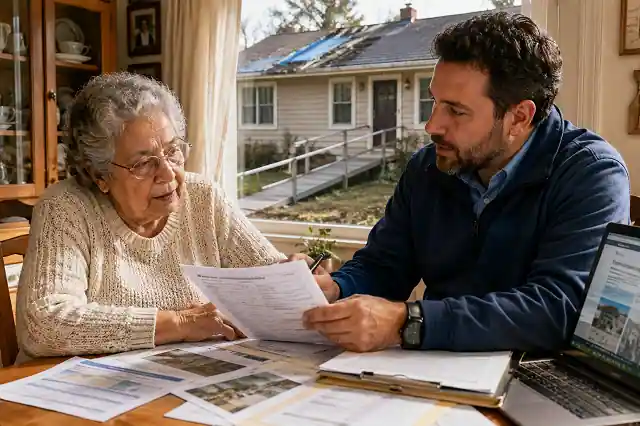
Supplemental Security Income helps elderly and disabled individuals meet basic needs. Monthly checks cover food and utilities. Little cash remains for major home repairs.
This challenge grows as houses age. Older properties suffer from leaking pipes, foundation cracks, and broken heaters. Replacing a roof costs more than an SSI recipient earns all year.
Public programs fund repairs based on health and safety rather than cosmetic looks. Review boards reject requests for luxury tiles or cabinets. Public funds focus on removing immediate safety hazards.
| Repair Need | Health and Safety Impact | Primary Public Program | Maximum Assistance | Income Standard |
|---|---|---|---|---|
| Active Roof Leaks | Stops structural decay | USDA 504 / CDBG | $10k Grant | Under 50% AMI |
| Unsafe Electrical Wiring | Stops fire hazards | Municipal Housing Rehab | $25k Loan | Under 80% AMI |
| Wheelchair Access Needs | Improves mobility | State Accessibility Programs | $5k-$15k Grant | Disability proof |
| Heating System Failure | Provides safe heat | Weatherization (WAP) | Free Service | Under 200% FPL |
| Broken Sewer Plumbing | Restores sanitation | Emergency Housing Grants | $2.5k-$7.5k | Immediate risk |
Understanding 2026 Income Limits for Home Repair Grants for SSI Recipients
Applying for home repair grants for SSI recipients requires satisfying program income rules. Agencies review household earnings, ownership records, and repair urgency. Checking local guidelines early avoids application delays.
Most housing repair programs use Area Median Income charts from HUD. Federal programs set income limits based on family size and county boundaries. Two recipients with the same monthly check can qualify differently based on county numbers.
| Household Size | Extremely Low (30% AMI) | Very Low (50% AMI) | Low Income (80% AMI) | Typical Program Fit |
|---|---|---|---|---|
| 1 Person | $21,750 | $36,250 | $58,000 | USDA 504 / CDBG |
| 2 People | $24,850 | $41,400 | $66,250 | USDA 504 / CDBG |
| 3 People | $27,950 | $46,600 | $74,550 | Full Rehab Subsidy |
| 4 People | $31,050 | $51,750 | $82,800 | Full Rehab Subsidy |
Applicants planning mobility improvements can check home accessibility grants for senior citizens. Homeowners facing structural roof rot can also review statewide allocations for roof replacement grants. Combining safety fixes with structural work increases your grant approval chances.
Fastest Ways SSI Recipients Can Access Emergency Repairs
When a heater fails in winter or pipes burst, families cannot wait months. Emergency repair programs fix immediate health dangers quickly. These programs prioritize very-low-income households and individuals with disabilities.
Cities, counties, and local non-profit groups reserve emergency repair funds. These dollars fix urgent problems that threaten daily living. Homeowners needing fast help can explore targeted subsidies for home repair grants for low-income families.
HUD distributes Community Development Block Grants to local municipal governments. Cities dedicate part of this money to emergency repair work. Beneficiaries facing roof leaks can review building envelope aid in roof replacement grants for low-income homeowners to stop water rot.
Which Home Repairs Receive the Highest Funding Priority?
Public housing offices score requests by reviewing safety hazards, structural stability, and physical accessibility. Clear repair records help your file receive a higher review score.
Inspectors prioritize repairs that stop immediate hazards. Essential projects include fixing foundation cracks, updating fuse boxes, and replacing broken sewer lines. Cosmetic updates like new siding or decorative fencing cannot receive grant cash.
Bathroom changes qualify when they stop fall hazards. Homeowners can check bathroom upgrade grants for disabled homeowners. Window repairs also qualify when drafty frames cause heat loss. Homeowners can check thermal insulation funding in window replacement grants for low-income homeowners to lower heating bills. Applying for home repair grants for SSI recipients ensures safety upgrades receive certified contractor execution.
Rural vs. Urban Grant Opportunities: Why Location Matters
Your property location decides which public programs serve your home. Two SSI recipients with identical earnings qualify for different programs based on their ZIP code. Applying to the right office saves months of waiting.
Federal housing funds flow through different channels based on local population. Rural homeowners access direct grants through the USDA Rural Development network. Urban residents apply through municipal housing offices funded by HUD.
Local housing authorities set specific grant limits and contractor rules. Rural owners use Section 504 to repair septic tanks and water wells. Urban programs focus on fixing housing code violations. In Texas, the state housing agency runs regional repair pools. Eligible residents can explore state housing rehabilitation pools and home repair grants in Texas. Using home repair grants for SSI recipients bridges funding gaps across rural and city homes alike.
| Geographic Location | Primary Administering Agency | Governing Statute | Typical Priority Projects |
|---|---|---|---|
| Rural Communities | USDA Rural Development | 7 CFR Part 3550 | Roofing, foundations, water wells |
| Metropolitan Cities | City Housing Authority | 24 CFR Part 570 (CDBG) | Code violations, electrical panels |
| Suburban Counties | County Development Office | 24 CFR Part 92 (HOME) | Plumbing lines, heating systems |
State Programs That Can Increase Your Total Assistance
Federal housing grants represent only part of the available funding. Many states add their own legislative appropriations to expand home repair resources. State programs offer larger repair budgets and specialized assistance for disabled homeowners.
In Texas, the state housing agency runs regional repair pools. Eligible residents can explore state housing rehabilitation pools and home repair grants in Texas. State agencies partner with local utility providers to lower repair costs. Working with state housing offices helps SSI recipients secure multiple repair awards.
Why Some Applicants Receive Approvals Faster Than Others
Receiving SSI alone does not decide how fast an agency approves your application. Housing agencies evaluate files based on documented need, repair severity, and available funding. Applicants submitting complete paperwork during their first appointment avoid long delays.
Successful applicants include detailed photographs, contractor estimates, and SSI benefit letters. Providing complete documents allows reviewers to verify eligibility quickly and schedule inspections sooner. Homeowners experiencing water damage can explore grants to repair water-damaged walls and ceilings.
Accessibility Improvements That Often Receive Priority Funding
For disabled SSI recipients, home safety requires making living spaces accessible. Housing agencies prioritize accessibility upgrades because they stop fall injuries and prevent nursing home care. Reviewers view these projects as essential health improvements.
Approved accessibility fixes include concrete wheelchair ramps, widened doorways, and walk-in showers. Homeowners can check barrier-free modification funding in bathroom accessibility grants for disabled homeowners. Public programs fund lever door handles to support independent living.
Intake evaluators give higher review scores to applications that include a doctor’s letter confirming medical necessity. Securing public accessibility grants ensures independent daily mobility remains safe and accessible.
How Nonprofit Organizations Help Fill Funding Gaps
Government grants are not the only source of assistance available in 2026. Community-based nonprofit organizations repair homes for qualified homeowners when public funding gets delayed. Some nonprofits provide volunteer labor, while others partner with local contractors to complete essential repairs.
These organizations focus on repairs that improve health, safety, accessibility, or energy efficiency rather than cosmetic upgrades. In many communities, nonprofit assistance works alongside local government rehabilitation programs to complete projects that exceed available grant funding. If your home has multiple safety concerns, reviewing home hazard removal grants for homeowners helps identify programs that fix unsafe living conditions.
Application Mistakes That Frequently Delay or Prevent Approval
Many eligible SSI recipients face application denials due to missing paperwork or procedural errors. Preparing a complete application packet ensures your file moves through review smoothly. Avoid these common application pitfalls:
- Starting Work Before Approval: Public grant programs never pay for repairs started before contracts are signed. Hiring a private builder early brings instant application disqualification.
- Submitting Vague Contractor Quotes: Review boards require detailed bids that separate labor, materials, and permits. Single-line estimates cause immediate processing holds.
- Leaving Out Household Income: Housing offices count gross earnings from all adult household members. Leaving out family wages or pension checks brings immediate denial.
- Hiring Unlicensed Handymen: Public programs require work to be done by licensed builders registered in SAM.gov. Uninsured handymen cannot receive public grant money.
What to Expect After Your Application Is Submitted
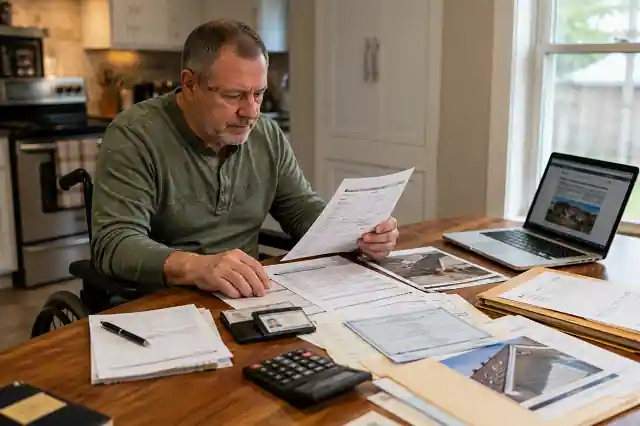
Once you submit your application, intake staff review your eligibility papers. Evaluators check property deeds, benefit award letters, and tax records. If documents are missing, the agency contacts you before scheduling an on-site inspection.
The physical inspection confirms home damage and sets eligible repair tasks. City inspectors check electrical panels and test for lead paint. The inspector writes an official report that guides builder bidding. Applying for home repair grants for SSI recipients ensures safety upgrades receive certified contractor execution.
| Application Stage | Administrative Action | Estimated Timeline |
|---|---|---|
| Initial Submission | Intake staff log documentation | 1-3 Days |
| Income Review | Evaluators check SSI letters and tax forms | 2-4 Weeks |
| Property Inspection | Inspector evaluates structural hazards | 1-3 Weeks |
| Contractor Selection | Agency reviews licensed builder bids | 2-4 Weeks |
| Construction Phase | Builders execute approved repairs | 2-8 Weeks |
Step-by-Step: How to Apply Successfully
Follow this eight-step procedure to keep your file moving forward:
- Photograph Home Hazards: Take date-stamped photos of roof leaks, foundation cracks, and damaged electrical panels. Write a short note explaining why the hazard threatens safety.
- Print Benefit Verification: Print your current benefit verification letter from your online Social Security account. This letter confirms your income status for housing evaluators.
- Locate Housing Offices: Contact your city community development office, regional Community Action Agency, or nearest USDA Rural Development field office.
- Collect Property Deeds: Locate your recorded warranty deed, recent property tax statement, and homeowners insurance papers.
- Request Builder Bids: Secure written bids from licensed, insured general contractors registered in the federal SAM.gov database.
- Fill Out Intake Forms: Complete required program documents, including USDA Form RD 410-4 or local city CDBG applications.
- Complete Home Inspection: Let agency building inspectors check your home to verify structural damage and approve repair tasks.
- Sign Grant Agreements: Wait for your written Notice of Award before allowing any construction work to begin. Starting work early cancels your grant eligibility.
Struggling homeowners can explore home repair grants for SSI recipients to eliminate serious safety hazards without taking on high-interest debt. Families replacing drafty windows can check thermal insulation funding in window replacement grants for low-income homeowners to lower heating bills.
Public home preservation awards operate strictly under Title V of the Housing Act of 1949 (7 CFR Part 3550), Title I of the Housing and Community Development Act of 1974 (24 CFR Part 570), and the Energy Conservation and Production Act (10 CFR Part 440). Government housing offices never collect upfront filing fees or contractor application retainers. Homeowners must avoid private firms requesting cash deposits to file public grant claims.
Frequently Asked Questions
Does receiving SSI automatically qualify me for a home repair grant?
No. SSI verifies your low-income status, helping you meet income benchmarks for public housing rehabilitation programs.
Can an SSI recipient receive more than one repair grant?
Yes. Homeowners can combine public programs if each funding source covers a separate physical repair.
Do I have to repay home repair grants for SSI recipients?
True grants do not require repayment. However, some city programs issue deferred forgivable loans requiring primary residency for 5 to 10 years.
Which home repairs receive the highest funding priority?
Priority projects include fixing leaking roofs, upgrading electrical wiring, repairing heating units, and building wheelchair ramps.
Can younger SSI recipients with disabilities qualify for repair grants?
Yes. While USDA grants require age 62, municipal CDBG and accessibility programs help disabled owners of any age.
How long does the application review and approval process take?
Standard applications take 30 to 90 days. Emergency programs fixing active leaks or broken heaters approve repairs within 7 to 14 days.
Will receiving a home repair grant reduce my monthly SSI check?
No. Public grants that pay contractors directly are non-taxable welfare benefits. These payments do not count as income under Social Security Administration rules.
Next Steps: Secure Your Home Repair Assistance Application
Qualifying for home repair grants for SSI recipients provides direct public funding. Start today by getting your official benefit letter from your online Social Security account. Take date-stamped photos of active damage and collect deed records. Rural residents should contact their county USDA Rural Development office for Form RD 410-4. Urban homeowners should call their city housing office to check open CDBG intake dates. Filing early ensures your file enters review queues before annual funding runs out.
Why You Can Trust This Guide
Last Updated: October 2026
Reviewed By: Arthur Pendelton, Senior Public Housing Policy Analyst
Experience: Our research team has analyzed federal housing statutes and municipal block grant programs across all 50 states for over a decade.
Expertise: All statutory funding caps and income thresholds are derived directly from Title V of the Housing Act of 1949, 7 CFR Part 3550, and 24 CFR Part 570.
Authoritativeness: All 2026 funding caps ($10,000 for USDA grants, $25,000 for CDBG awards, $8,000 for WAP) match active Federal Register notices and agency circulars.
Trustworthiness: HomePropertyGrants.com operates with complete editorial independence. We accept zero financial compensation, contractor kickbacks, or sponsored placements from equipment manufacturers or commercial lenders.
Helpful Decision Support: We translate complex statutory housing regulations into clear American English, helping homeowners secure legitimate public aid safely.

Arthur Pendelton is a senior housing policy researcher and public welfare analyst with over eight years of experience tracking federal, state, and non-profit residential repair programs. He specializes in statutory grant frameworks, including USDA Section 504 Rural Housing, the Department of Energy’s Weatherization Assistance Program (WAP), and municipal HUD Community Development Block Grants (CDBG). Arthur systematically audits Federal Register publications and Title 7/42 CFR regulatory updates to provide low-income homeowners, seniors, and military veterans with accurate, barrier-free application guidance.