
Seniors may qualify for window replacement grants and assistance in 2026 through federal, state, and local programs, weatherization services, utility incentives, rebates, and nonprofit organizations. Depending on eligibility and available funding, these programs may help eligible senior citizens improve energy efficiency, address qualifying health and safety concerns, or reduce the cost of replacing windows.
The Weatherization Assistance Program (WAP), USDA Section 504 Home Repair Grants, state and local weatherization programs, and other home improvement resources are among the options seniors can explore. The type and amount of help available depend on factors such as age, household income, homeownership, location, property condition, and program rules.
This guide explains window replacement grants for seniors, who may qualify, which programs to check first, what documents may be required, how the application process works, and what window replacement costs may look like in 2026. If you are also comparing broader window funding options, you can review our window replacement grants-complete guide for additional programs and eligibility information.
Why Window Replacement Is Important for Seniors
Energy Efficiency: Energy-efficient replacement windows can reduce air leakage and improve insulation around window openings. This may help eligible homeowners manage heating and cooling costs. Seniors should also check available heating and cooling assistance programs and energy-efficiency incentives before paying for replacement work.
Improved Safety: New windows can provide more secure locks, easier operation, and better overall condition than damaged or deteriorated windows. For seniors, choosing windows that are easy to open, close, lock, and maintain can make everyday use more convenient.
Better Indoor Comfort: Properly installed replacement windows can reduce drafts and help maintain more consistent indoor temperatures. Energy-efficient glazing can also reduce unwanted heat transfer and outside noise, depending on the window design and the home’s existing insulation.
Seniors who are also dealing with other major home repair needs may want to compare roof replacement grants for low-income senior citizens before deciding which home repair assistance to pursue first.
Understanding Window Replacement Costs in 2026
Window replacement costs vary by window size, material, style, glass package, labor, installation difficulty, and the condition of the existing frame. A homeowner may pay a few hundred dollars per window for a basic replacement, while larger, custom, or higher-performance installations can cost considerably more.
| Cost Factor | What Can Increase the Cost | What Seniors Should Check |
| Window Material | Wood, fiberglass, and specialty materials may cost more than basic vinyl. | Compare durability, maintenance, insulation, and upfront price. |
| Window Style | Large, custom, bay, bow, or specialty windows can require more materials and labor. | Ask whether a standard replacement style can meet the home’s needs. |
| Installation | Complex installation or damaged frames can increase labor costs. | Ask the contractor whether frame repairs are included in the estimate. |
| Energy Efficiency | Higher-performance glass and window packages can have a higher upfront price. | Compare the expected energy benefits with the total installed cost. |
| Number of Windows | Replacing several windows increases the project total. | Ask contractors whether project-wide pricing is available. |
The final price can also depend on the type of glass and window design selected. Seniors comparing options can review energy-efficient window replacement costs, triple-pane window replacement costs, and the potential benefits of Low-E windows before choosing a product.
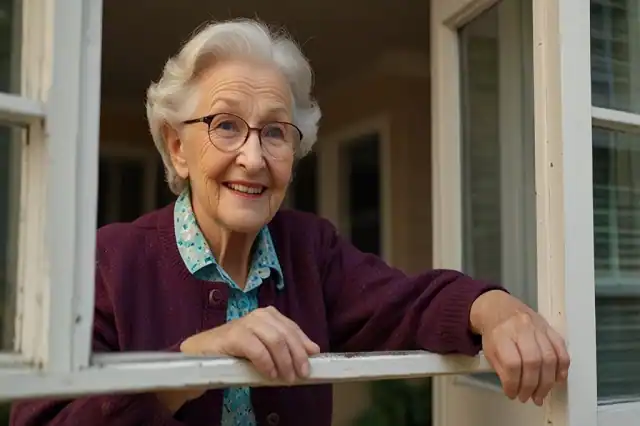
Factors Influencing Costs
- Window Type: Double-hung, casement, sliding, bay, bow, and other window styles can have different material and installation costs. Larger or specialty designs may require additional labor.
- Material: Vinyl is often a lower-maintenance option, while wood and fiberglass can have different upfront costs, durability characteristics, and maintenance requirements.
- Installation Difficulty: Damaged frames, unusual openings, difficult access, or additional structural work can increase installation costs.
- Energy Efficiency: Higher-performance windows may cost more initially but can provide energy-efficiency benefits. Seniors should compare the total installed price with available energy-efficient window grants and incentives.
Tips for Reducing Window Replacement Expenses
Getting multiple written estimates can help seniors compare installation costs, window specifications, warranties, and included services before choosing a contractor.
- Ask whether qualifying energy-efficient products can help you access available incentives.
- Ask contractors about seasonal promotions or installation discounts.
- If several windows need replacement, request a project-wide estimate rather than pricing each window separately.
- Compare payment plans carefully and review the total cost before agreeing to financing.
Federal Window Replacement Assistance Programs for Seniors in 2026
Weatherization Assistance Program (WAP)
The Weatherization Assistance Program (WAP) helps eligible low-income households improve energy efficiency and address health and safety needs in their homes. Seniors may be among the households served, but assistance is generally delivered through state and local weatherization agencies rather than as a guaranteed cash payment to each homeowner.
Depending on the home assessment and local program rules, qualifying weatherization work may include improvements around windows or other parts of the building envelope. WAP uses a whole-house approach, so the local provider determines which improvements provide the greatest benefit for the home.
How to apply: Contact your state or local weatherization agency and ask whether your household qualifies and whether window-related work is currently available. You may need income, household, property, and utility information.
Low-Income Home Energy Assistance Program (LIHEAP)
The Low Income Home Energy Assistance Program (LIHEAP) helps eligible households with energy-related costs and, depending on the state program, may also support weatherization or minor energy-related home repairs. Because LIHEAP is administered through states and local agencies, the type and amount of assistance can vary by location.
Seniors who need help with both household energy costs and home energy improvements should check their state’s LIHEAP program and ask whether weatherization or window-related assistance is available. Do not assume that LIHEAP automatically pays for replacement windows.
How to apply: Use the official LIHEAP information for your state or territory and check the current eligibility requirements, benefit types, application period, and participating agency.
U.S. Department of Agriculture (USDA) Single Family Housing Repair Loans & Grants
The USDA Section 504 Home Repair program can be an important option for eligible senior homeowners in rural areas. The program provides loans to low- and very-low-income homeowners for eligible repairs, improvements, or modernization, while grants are available to eligible elderly homeowners to remove health and safety hazards.
The current maximum loan is $40,000, while the maximum grant is $10,000. Eligible homeowners may be able to combine a loan and grant for up to $50,000 in assistance, subject to program requirements.
For a window project, the important question is whether the proposed work qualifies under the program’s allowable repair and health-and-safety rules. Applicants should confirm the specific project with USDA Rural Development before assuming that replacement windows will be covered.
How to apply: Check your local USDA Rural Development office and confirm rural eligibility, income requirements, age requirements, ownership requirements, and the proposed repair.
| Program | Best For | Type of Assistance | Could Windows Be Relevant? | Important Requirement |
| Weatherization Assistance Program (WAP) | Eligible low-income households needing energy-efficiency improvements | Weatherization services | Potentially, depending on the home assessment and local program | Eligibility and services are handled through state and local providers |
| LIHEAP | Eligible households needing energy-related assistance | Energy assistance and, in some programs, weatherization or minor energy-related repairs | Varies by state and local program | Eligibility and benefits vary by state |
| USDA Section 504 | Eligible elderly homeowners in qualifying rural areas | Grants and loans | Potentially, when the proposed work meets program requirements | Age, income, rural location, ownership, and repair requirements apply |
Local Government Grants For Window Replacement
State and local agencies may offer home repair grants, weatherization services, energy-efficiency incentives, rebates, or other assistance for eligible homeowners. Availability, funding, income limits, and covered improvements vary significantly by location.
Seniors should check their state energy office, state housing agency, county or city housing department, Community Action Agency, and local weatherization provider to find programs available in their area.
Some programs may provide direct repair services rather than a cash grant. Others may offer rebates or loans, so check the program rules before starting work.
Seniors who need more than window repairs can also compare home improvement grants for seniors to see whether broader repair assistance is available.
Finding Window Assistance in Your State
Local eligibility can make a major difference when looking for window replacement grants for seniors. For example, homeowners can review state-specific resources such as Colorado window replacement grants for senior citizens when researching assistance available in Colorado.
Seniors looking for broader repair assistance can also explore Texas home repair grants for senior citizens, New York home repair grants for senior citizens, or Alabama home repair grants for senior citizens when those states apply.
Nonprofit Organizations Offering Window Replacement Assistance
Elderly people can receive grants or assistance from a number of non-profits for home repairs, including window replacement. Many of these groups support senior homeowners by collaborating with local communities.
Habitat for Humanity: Local Habitat affiliates may offer home repair, rehabilitation, accessibility, or other housing assistance to qualifying homeowners. The exact services and eligibility requirements vary by affiliate and available funding, so seniors should contact the local affiliate before assuming that window replacement is available.
Rebuilding Together: Local affiliates may provide home repairs and safety or accessibility improvements for eligible homeowners. Services vary by location and funding, so seniors should contact a nearby affiliate to ask whether window repair or replacement is included in its current projects.
Seniors who do not qualify for a federal program can also compare nonprofit window replacement grants and assistance programs, because local nonprofit organizations may have different eligibility rules and funding sources.
Other Ways to Reduce Window Replacement Costs
A grant is not the only way to reduce the amount you pay for replacement windows. Depending on your location and eligibility, you may also find energy rebates, utility incentives, senior discounts, nonprofit assistance, or affordable financing.
Seniors should compare the total cost after incentives rather than looking only at the advertised window price.
- Energy rebates: Check state and utility incentives for qualifying energy-efficient windows.
- Senior discounts: Ask contractors and window companies whether they offer a senior discount.
- Nonprofit assistance: Check local nonprofit repair programs if you meet their eligibility requirements.
- Financing: Compare the total repayment cost before choosing a home improvement loan.
Before accepting a contractor’s estimate, seniors can also compare available senior discounts for window replacement to see whether a discount can reduce the remaining project cost.
Who May Qualify for Window Replacement Assistance?
Eligibility depends on the specific program. Seniors may have a stronger starting point when they meet several requirements at the same time, such as:
- Meeting the program’s household income requirements
- Owning the home
- Living in an eligible service area
- Meeting an age requirement where applicable
- Having windows or other home conditions that meet the program’s repair or energy-efficiency criteria
- Meeting rural eligibility requirements for programs such as USDA Section 504
- Providing the documents requested by the administering agency
Meeting one requirement does not guarantee approval. Each program uses its own eligibility rules, available funding, and project requirements.
Which Window Replacement Assistance Should Seniors Check First?
If you have a low household income: Start with your local WAP provider and ask whether your home qualifies for weatherization assistance.
If you live in an eligible rural area and are 62 or older: Check USDA Section 504 Home Repair Grants and confirm whether your proposed window work qualifies.
If you need help with household energy costs: Check your state’s LIHEAP program and ask about any weatherization or energy-related home repair options.
If federal programs are not a fit: Check state and local housing programs, utility incentives, nonprofit organizations, and senior assistance programs.
If you can pay part of the cost: Compare rebates, senior discounts, and financing to reduce the remaining amount.
Seniors who want a more detailed explanation can also review Section 504 Home Repair Grants for Seniors before applying.
Documents Seniors May Need
Depending on the program, applicants may need:
- Proof of age
- Proof of household income
- Proof of homeownership
- Recent utility bills
- Property information
- Identification
- Information about household members
- Contractor estimates, if requested
Requirements vary, so applicants should use the checklist supplied by the program administrator.
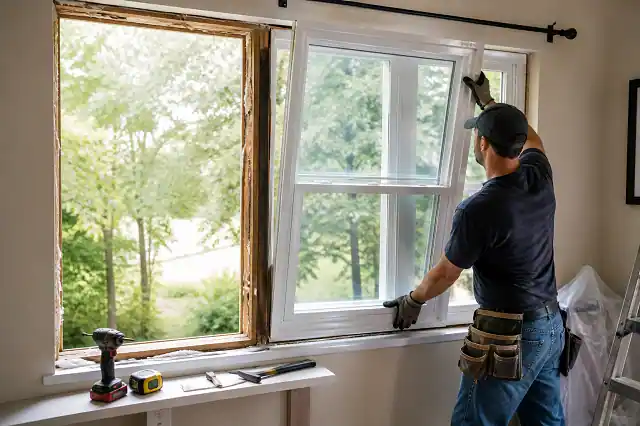
How to Apply for Window Replacement Grants for Seniors in 2026
- Check your eligibility: Review the program’s age, income, homeownership, location, and property requirements before applying.
- Choose the right assistance program: Compare WAP, USDA Section 504, LIHEAP-related assistance, state programs, local programs, rebates, and nonprofit options based on your situation.
- Gather your documents: Prepare income, age, homeownership, utility, identification, and property documents requested by the program.
- Contact the administering agency: Apply through the official agency, local provider, or nonprofit that administers the program in your area.
- Wait for the eligibility and property review:Some programs may review household eligibility, inspect the property, or conduct a home energy assessment before deciding which improvements qualify.
- Complete the approved work: After approval, follow the program’s instructions for contractors, materials, installation, inspections, and payment.
Common Mistakes to Avoid When Applying for Window Replacement Assistance
- Assuming every program provides a cash grant
- Applying without checking the program’s current eligibility rules
- Assuming seniors automatically qualify because of age
- Starting work before receiving required approval
- Using outdated income limits
- Ignoring state, county, city, utility, and nonprofit programs
- Submitting incomplete documentation
- Assuming LIHEAP, WAP, or USDA assistance covers every window project
- Paying a third party simply because it
- promises guaranteed government grant approval
How to Avoid Window Replacement Grant Scams
Government and nonprofit assistance programs have specific eligibility and application requirements. Be cautious if someone promises guaranteed grant approval, demands a large upfront fee, asks for sensitive banking information, or claims you must pay to access a government grant.
Before applying, verify the program through the official government agency, local housing department, weatherization provider, utility, or established nonprofit organization.
Window replacement may be only one part of a larger repair project. Seniors who need several improvements can also review home repair grants for seniors in 2026 for broader assistance options.
Seniors who need easier-to-operate windows along with other accessibility improvements can also explore accessibility home modification grants for senior citizens.
Eligibility can differ substantially by household and service status. Veterans should also compare specialized energy-efficient window replacement grants for low-income veterans if they qualify.
Frequently Asked Questions
Here are the most common questions seniors ask about window replacement grants in 2026:
What are window replacement grants for seniors in 2026?
Window replacement grants for seniors are programs and forms of assistance that may help eligible older homeowners pay for or receive qualifying window improvements. Options can include weatherization services, USDA home repair grants, state and local programs, utility incentives, rebates, and nonprofit assistance.
Can seniors get free window replacement?
Some eligible seniors may receive window-related work at little or no direct cost through qualifying weatherization, home repair, or nonprofit programs. However, free replacement windows are not guaranteed, and eligibility, funding, property conditions, and program rules determine what assistance is available.
How much does window replacement cost in 2026?
Window replacement costs vary by window size, material, style, glass, installation difficulty, labor, and the condition of the existing frame. Seniors should compare several written estimates and check available assistance before choosing a contractor.
What factors affect window replacement costs?
Window type, material, size, glass package, installation difficulty, labor, frame condition, energy-efficiency features, and the number of windows being replaced can all affect the final cost.
What is the Weatherization Assistance Program?
The Weatherization Assistance Program, or WAP, helps eligible low-income households improve energy efficiency and address health and safety needs. Services are provided through state and local weatherization agencies, and qualifying work depends on the home assessment and local program rules.
Does LIHEAP pay for window replacement?
LIHEAP provides energy-related assistance and, depending on the state, may support weatherization or minor energy-related home repairs. It should not be treated as a nationwide window replacement grant because eligible services vary by state and local program.
What is a USDA Section 504 Home Repair Grant?
USDA Section 504 Home Repair Grants are available to eligible elderly very-low-income homeowners to remove health and safety hazards from qualifying homes in eligible rural areas. The current maximum grant is $10,000, while the maximum loan is $40,000.
How can seniors apply for window replacement assistance?
Seniors should first identify programs available in their area, check eligibility, gather the requested documents, contact the administering agency, and follow its application and property-assessment process before beginning approved work.
What documents do seniors need to apply?
Requirements vary, but programs may request proof of age, income, homeownership, identification, utility bills, household information, property information, and sometimes contractor estimates or other repair documentation.
Can seniors get help from nonprofits?
Yes. Some nonprofit organizations and local affiliates provide home repair, rehabilitation, safety, or accessibility assistance. Services and eligibility vary by location and funding, so seniors should contact the local organization before assuming window replacement is available.
What mistakes should seniors avoid when applying?
Seniors should avoid assuming that every program offers cash grants, skipping eligibility checks, submitting incomplete documents, starting work before approval, ignoring local programs, or paying upfront fees to anyone promising guaranteed government funding.
Why You Should Trust This Guide
Last Updated: September 2026
Reviewed By: Homepropertygrants Editorial Team
Experience
This guide is designed around the practical questions seniors face when researching window replacement assistance, including costs, eligibility, documents, applications, and local program options.
Expertise
Program information is organized around federal weatherization, home repair, energy assistance, rebates, and nonprofit pathways so readers can compare different types of assistance.
Authoritativeness
Federal program information is checked against official sources such as the U.S. Department of Energy, Administration for Children and Families, and USDA Rural Development.
Trustworthiness
Program availability, eligibility, funding, and covered improvements can change by location and funding cycle. Readers should confirm current requirements with the administering agency before starting work.
Helpful Decision Support
The guide separates grants, weatherization services, rebates, loans, and nonprofit assistance so seniors can identify the options most relevant to their circumstances.
Conclusion
Replacing old windows can improve comfort, energy efficiency, and everyday home safety for seniors. In 2026, eligible homeowners may have several ways to reduce the cost, including weatherization assistance, USDA home repair grants, state and local programs, rebates, and nonprofit assistance.
Start by checking the programs available in your area, confirming eligibility, and asking whether window replacement is an approved improvement before beginning the project. Comparing assistance programs and contractor estimates can help you find the most practical option for your home.
HELLO IM IN NEED OF HURRICANE WINDOWS ….IM IN MY HOME 38 YEARS AND HAVE THE ORIGINAL WINDOWS ….IM ON A FIXED INCOME AND MY WIFE IS ON DISABILITY …MY ELECTRIC BILLS ARE $250 OR MORE EVERY MONTH ……AND MY AIR CONDITIONER IS CONSTANTLY RUNNING ….CAN SOME ONE PLEASE HELP