

Escalating construction material prices, deteriorating roofing structures, and compromised domestic plumbing force thousands of property owners to postpone critical maintenance every single year. When severe structural defects or electrical hazards arise, residential restoration costs easily exceed $8,000 to $15,000, creating an insurmountable burden for fixed-income retirees, disabled residents, and working families. Securing verified state home repair grants enables qualifying property owners to finance mandatory building repairs without depleting emergency reserves or taking on high-interest personal loans.
Navigating the state funding landscape requires understanding bureaucratic structures. More than 40% of first-time applications submitted to regional agencies are delayed or rejected due to incomplete income disclosures, unauthorized contractor proposals, or misunderstandings regarding local administering jurisdictions. State agencies rarely issue direct financial payouts straight to an applicant’s bank account. Instead, statutory assistance flows through municipal divisions, county community development offices, and accredited non-profit housing networks.
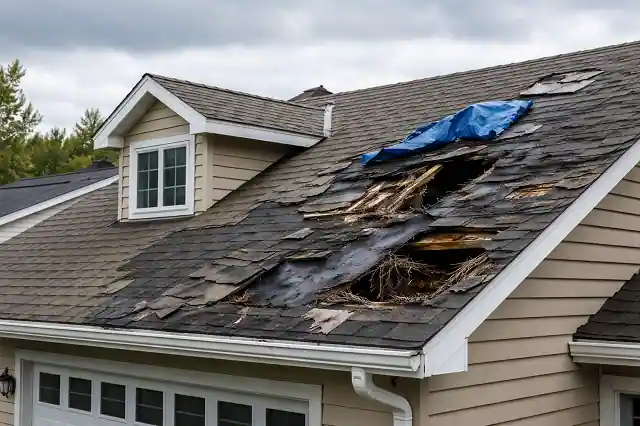
These approved state home repair grants address comprehensive single-family preservation, including structural stabilization, major roof replacements, plumbing and electrical code modernizations, winter heating and cooling installations, barrier-free accessibility retrofits, and whole-house weatherization. Assistance frameworks prioritize vulnerable populations, including very-low-income families, elderly residents aged 62 and older, veterans with service-connected disabilities, and homeowners residing in eligible rural communities.
Download Official USDA Form RD 410-4 Application Package (PDF)
How State Home Repair Grants Work in 2026
Funding for state home repair grants originates from a combination of federal block allocations, legislative appropriations, and state housing finance agency reserves. The federal government does not generally manage localized intake for individual homeowners. Instead, agencies such as the U.S. Department of Housing and Urban Development (HUD) and the Department of Energy (DOE) distribute formula grants to state authorities, who then designate municipal sub-grantees.
When distributing state home repair grants, HUD’s Community Development Block Grant (CDBG) program provides annual formula grants to designated entitlement cities, urban counties, and states. HUD explicitly states that it does not disburse CDBG funds directly to individual homeowners. Instead, homeowners must contact their municipal community development division or county housing agency to access locally funded homeowner rehabilitation programs.
Our centralized directory for comprehensive home improvement is outlined in our home repair grants guide, coordinating localized municipal funds with broader federal programs. To understand how public funds protect recipients, state-level assistance is deployed through three primary legal mechanisms:
| Assistance Type | Repayment Obligation | Title Encumbrance / Lien | Primary Program Objective |
| Emergency Direct Grant | 0% Repayment; Completely forgiven upon verified completion | No lien or promissory note recorded against deed | Immediate removal of imminent life-safety hazards |
| Deferred Forgivable Loan | Forgiven incrementally across 36 to 120 months of continuous occupancy | Subordinate deed restriction recorded with County Recorder | Comprehensive single-family rehabilitation |
| Low-Interest Revolving Loan | Repaid monthly at 0% to 3% fixed interest over 10 to 20 years | Recorded mortgage or deed of trust | Structural modernization and major mechanical upgrades |
| Weatherization Direct Service | 100% Subsidized diagnostic retrofits and mechanical replacements | Zero financial liability or deed encumbrance | Energy envelope mitigation and utility reduction |
Administering authorities execute legal covenants to guarantee public funds enhance long-term community stability. Direct emergency grants typically resolve single, critical building failures—such as a collapsed wastewater pipe or broken furnace in midwinter—without imposing liens. Conversely, comprehensive rehabilitation awards that exceed $15,000 to $25,000 utilize deferred promissory notes. Under these instruments, the state or city forgives 20% of the loan principal each year you reside in the home, achieving 100% equity forgiveness after five full years.
2026 Household Income Limits and Statutory AMI Thresholds
Eligibility for nearly all state home repair grants depends on HUD Area Median Income (AMI) calculations formulated pursuant to 24 CFR 5.609. Case managers aggregate gross anticipated income across all adult occupants aged 18 and older. This audit evaluates gross wages, overtime earnings, Social Security retirement payments, disability benefits, alimony, and investment income.
| Household Size | 30% AMI (Extremely Low) | 50% AMI (Very Low – USDA 504 Cap) | 80% AMI (Low-to-Moderate CDBG Cap) | 200% FPL (Weatherization Cap) |
| 1 Person | $19,250 | $32,050 | $51,300 | $31,300 |
| 2 Persons | $22,000 | $36,650 | $58,600 | $42,400 |
| 3 Persons | $24,750 | $41,200 | $65,950 | $53,500 |
| 4 Persons | $27,500 | $45,800 | $73,250 | $64,600 |
| 5 Persons | $29,700 | $49,500 | $79,150 | $75,700 |
| 6 Persons | $31,900 | $53,150 | $85,000 | $86,800 |
| 7 Persons | $34,100 | $56,800 | $90,850 | $97,900 |
| 8 Persons | $36,300 | $60,500 | $96,700 | $109,000 |
Income qualification requires submitting recent federal tax filings, 60 days of consecutive pay stubs, and 3 complete statements for every financial account. Recipients of Supplemental Security Income (SSI), Supplemental Nutrition Assistance Program (SNAP), or Temporary Assistance for Needy Families (TANF) frequently qualify for categorical income certification under state-administered programs. Review household audit parameters in our home repair grants for low-income families guide.
When assessing qualification for state home repair grants, liquid asset testing is another critical aspect of municipal casework. Program evaluators examine checking, savings, money market, and non-retirement investment balances. Homeowners possessing excessive uncommitted cash reserves may be requested to contribute a partial cost-share toward non-hazardous project elements, preserving finite public grants for households with zero disposable capital.
Eligible Scopes: What Repairs Qualify for State Funding?
Program guidelines strictly prohibit cosmetic renovations, luxury finishes, or aesthetic enhancements. Deploying taxpayer allocations for state home repair grants requires proving that the requested scope addresses physical code violations, structural decay, or environmental hazards:
Roofing and Structural Envelope Stabilization
Active roof leaks rotting load-bearing rafters, compromised flashing valleys, and deteriorating sheathing qualify under emergency housing scopes. When moisture compromises structural integrity, programs step in to replace rafters, install ice-and-water shields, and lay architectural shingles. Review comprehensive roofing assistance programs inside our dedicated roof repair and roof replacement grants guide. Deteriorated entryways that qualify under regional state home repair grants for thermal protection are detailed inside our window replacement grants guide and our report on door replacement grants.
Plumbing, Sanitation, and Water Supply
Failing sewer laterals, burst supply lines, non-functional water heaters, and contaminated wells qualify for priority triage under state home repair grants. Lead service lines and severely corroded galvanized iron pipes also meet health standards for immediate grant remediation. Homeowners confronting domestic plumbing leaks should consult our specialized guide on leaking water pipe replacement grants.
Electrical Hazards and Mechanical Systems
Obsolete electrical systems featuring 60-amp split-bus configurations, active knob-and-tube wiring, or damaged breaker panels present severe fire hazards that trigger emergency intervention. Upgrading obsolete services to modern 200-amp main breaker panels is routinely funded under state initiatives. Similarly, heating system failures during winter months qualify for urgent replacement under state energy-crisis guidelines.
Accessibility and Mobility Adaptations
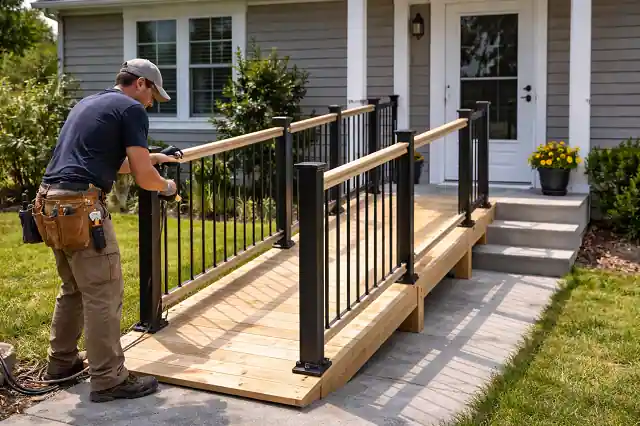
Homeowners experiencing physical mobility limitations can secure grants for exterior ADA wheelchair ramps, roll-in showers, reinforced grab bars, and widened entry corridors. Modifications must satisfy Americans with Disabilities Act architectural guidelines to promote long-term independent living. Detailed eligibility parameters are outlined within our guide to home improvement grants for disabled homeowners.
Environmental Remediation: Lead Paint and Asbestos Mitigation
In residential properties constructed prior to 1978, peeling architectural coatings often contain dangerous lead concentrations. When rehabilitation scopes disturb painted surfaces, state programs enforce HUD Lead-Safe Housing Rules (24 CFR Part 35). Certified abatement technicians execute containment, wet-scraping, and HEPA encapsulation. Similarly, deteriorating asbestos insulation around gravity heating ductwork and boiler lines is remediated using specialized public environmental grants.
Major Federal Programs Delivering State and Local Assistance
The vast majority of localized housing preservation frameworks rely on federal statutory appropriations that are channeled through state and regional agencies:
USDA Section 504 Single Family Housing Repair Loans and Grants
Operating alongside localized state home repair grants, USDA Rural Development service centers serve rural property owners living in designated non-metropolitan zip codes. Standard parameters provide loans up to $40,000 at a fixed 1.0% simple interest rate across a 20-year term. For very-low-income rural homeowners aged 62 and older, USDA provides outright grants up to $10,000 specifically designated to eliminate life-safety hazards. Qualified applicants can combine loan and grant allocations for up to $50,000 in comprehensive assistance. Explore full parameters in our detailed Section 504 home repair grants resource.
Department of Energy Weatherization Assistance Program (WAP)
The Weatherization Assistance Program serves low-income families by optimizing energy efficiency and mitigating thermal building defects. Administered by local Community Action Agencies, technical crews execute diagnostic blower-door depressurization tests to identify air infiltration. If proposed thermal improvements—including attic insulation, duct sealing, and furnace upgrades—yield a verified Savings-to-Investment Ratio (SIR) of 1.0 or greater, WAP underwrites 100% of material and installation costs through the official Weatherization Assistance Program.
HUD HOME Investment Partnerships Program
Communities allocate statutory state home repair grants through HOME funding to deliver comprehensive owner-occupied rehabilitation for low-income households. Unlike emergency grants that fix single defects, HOME funds typically support substantial structural overhauls that bring an entire residential dwelling into full compliance with local building codes.
Low-Income Home Energy Assistance Program (LIHEAP) Crisis Component
While LIHEAP is primarily recognized for utility bill assistance, state administrative plans allocate a dedicated percentage of funds toward emergency heating and cooling equipment repair. When an inoperable central furnace, boiler, or heat pump threatens life safety during sub-freezing weather, state LIHEAP crisis coordinators authorize emergency vendor dispatches to replace obsolete heating appliances.
State Home Repair Assistance Directory: Programs by State
Because administration occurs at the state and municipal levels, funding mechanisms for state home repair grants differ significantly across geographic borders. Review primary statutory programs across key states:
| State | Administering Agency | Primary Funding Programs | Specialized Resource Guide |
| California | California HCD | CalHome Owner-Occupied Rehabilitation | California Home Repair Grants |
| Texas | TDHCA | Amy Young Barrier Removal & CDBG Housing | Texas Home Repair Assistance Guide |
| Florida | Florida Housing | State Housing Initiatives Partnership (SHIP) | Florida Home Repair Grants Guide |
| New York | New York HCR | RESTORE Program & Access to Home | New York Senior Home Repair Grants |
| Maine | MaineHousing | Home Accessibility & Repair Program (HARP) | Maine Home Repair Grants Guide |
| Alabama | ADECA | Community Development Housing Rehabilitation | Alabama Senior Home Repair Grants |
| Alaska | Alaska Housing (AHFC) | Senior Access & Rural Housing Rehabilitation | Alaska Low-Income Repair Grants |
| Wisconsin | Wisconsin DOA | Housing Cost Reduction Initiative (HCRI) | Wisconsin Home Repair Grants Guide |
| Pennsylvania | PA DCED / PHFA | Whole-Home Repairs Program & ACCESS | Pennsylvania Home Repair Programs |
| Ohio | Ohio Development Services | Community Housing Impact and Preservation (CHIP) | Ohio Home Preservation Grants |
| North Carolina | NCHFA | Urgent Repair Program (URP) & SFR | North Carolina Home Grants |
| Michigan | MDHHS / MSHDA | State Emergency Relief (SER) & MI-HOPE | Michigan Home Repair Assistance |
California CalHome Program
The California Department of Housing and Community Development allocates CalHome funds to municipal governments and non-profit organizations. Assistance is provided as deferred-payment loans to low-income homeowners completing health and safety repairs. In addition, California operates wildfire mitigation initiatives that fund ember-resistant roofing and defensible perimeter upgrades. Local program rules and application schedules are published directly through the California HCD CalHome Portal.
Texas Department of Housing and Community Affairs (TDHCA)
Texas provides specialized accessibility and rehabilitation funding via Community Development Block Grants and the Amy Young Barrier Removal Program. Homeowners with household members facing severe physical limitations obtain up to $22,500 in non-amortizing grant funds for ramp construction, widened doorways, and modified sanitation spaces. Homeowners locate contracted intake entities through the official TDHCA Help for Texans Directory.
Florida State Housing Initiatives Partnership (SHIP)
Florida’s SHIP program distributes formula funds to all 67 counties and eligible entitlement cities. Local offices manage emergency repair and rehabilitation programs for households earning at or below 80% AMI. In hurricane-prone coastal counties, SHIP rehabilitation funds frequently finance impact-rated window installations, fortified roof replacements, and strapping reinforcements. Program criteria are accessible via the Florida Housing Finance Corporation.
New York RESTORE Program
New York Homes and Community Renewal funds the Residential Emergency Services to Offer Repairs to the Elderly (RESTORE) initiative. Administered by local non-profit housing agencies, the program awards grants to homeowners aged 60 and older to correct hazardous conditions threatening independence. Grants cover emergency structural repairs, heating system overhauls, and hazardous electrical remediations. Program specifications are available through New York HCR Home Repair.
Access Official HUD Local Grantee Directory
MaineHousing Home Improvement Programs
The Maine State Housing Authority manages comprehensive residential programs that assist eligible property owners with structural stabilization, heating system replacement, and weatherization. MaineHousing operates regional intake rosters in cooperation with local Community Action Agencies to serve rural and coastal communities, mitigating sub-zero freeze damage and high winter fuel burdens.
North Carolina Housing Finance Agency (NCHFA)
North Carolina provides essential state home repair grants through the Urgent Repair Program (URP) and the Single-Family Rehabilitation Program. Administered by regional planning councils and municipal agencies, URP provides forgivable deferred loans to low-income homeowners who are elderly, disabled, or veterans with urgent accessibility or safety needs.
Michigan State Emergency Relief (SER)
The Michigan Department of Health and Human Services provides emergency home repair assistance through the SER framework. Funds are dedicated to correcting acute health and safety emergencies, such as broken furnaces, collapsed sewer connections, and severely damaged roofs that threaten immediate household habitability.
Pennsylvania Whole-Home Repairs Program
Pennsylvania Whole-Home Repairs Program coordinates comprehensive state home repair grants up to $50,000 for qualifying low-income property owners. Scopes target habitability hazards, energy retrofits, and accessibility adaptations, combining workforce development mandates with neighborhood stabilization initiatives.
Ohio Community Housing Impact and Preservation (CHIP)
Through structured state home repair grants, this initiative offers comprehensive rehabilitation for low-to-moderate-income homeowners in partnership with rural counties and small cities. This program offers forgivable deferred loans that address roofing decay, mechanical failures, and local building code infractions.
Demographic Priority Allocations: Seniors, Veterans, and Rural Residents
State housing agencies frequently reserve state home repair grants for vulnerable demographic populations facing acute financial strain:
Senior Citizens Aged 62 and Older
Older property owners living on fixed Social Security benefits receive priority processing through USDA Section 504 and state aging initiatives. USDA Section 504 provides outright grants up to $10,000 for rural seniors aged 62+ to remediate immediate health hazards. Review comprehensive parameters in our home repair grants for senior citizens resource and our dedicated Section 504 home repair grants manual.
Military Veterans and Surviving Spouses
Veterans facing service-connected mobility limitations can combine state rehabilitation grants with the VA Specially Adapted Housing (SAH) and Home Improvements and Structural Alterations (HISA) programs. Review targeted veteran benefits inside our home repair grants for veterans guide.
Rural Property Owners
Non-metropolitan homeowners often lack access to municipal utility rehabilitation programs. USDA Rural Development service centers provide direct loans and grants to preserve agricultural and small-town residential properties. Consult our detailed review of home repair grants for rural homeowners.
Disaster Mitigation and Climate Resilience Grants
States prone to severe hurricanes, tornadoes, seismic shifts, or seasonal flooding operate specialized resilience grants. Administered in partnership with state emergency management divisions and HUD CDBG Disaster Recovery (CDBG-DR) funding, these initiatives finance fortified roof installations, secondary water barriers, storm shutters, and foundation tie-downs for low-income homeowners residing within federally declared disaster zones.
Alternative Financing: Low-Interest Loans and Rehabilitation Mortgages
When grant funding is fully committed or an applicant slightly exceeds statutory income ceilings, secondary financing mechanisms prevent projects from stalling:
- FHA Title I Property Improvement Loans: Insured by the federal government, FHA Title I loans provide up to $25,000 for individual single-family home improvements without requiring substantial home equity.
- FHA 203(k) Rehabilitation Mortgages: For major structural renovations, FHA 203(k) financing enables homeowners to wrap the purchase or refinancing of a home and the total cost of rehabilitation into a single long-term mortgage loan.
- Local Utility Energy Efficiency Loans: Regulated gas and electric utilities provide on-bill financing at 0% to 2% interest, allowing homeowners to repay HVAC and insulation upgrades gradually through monthly utility bills.
- Non-Profit Preservation Funds: Organizations such as Habitat for Humanity operate local critical home repair programs, utilizing zero-interest loans and volunteer labor to reduce project costs.
Step-by-Step Application Roadmap for State Home Repair Grants
Securing public assistance through state home repair grants requires navigating an exacting administrative pipeline:
- Document Life-Safety Structural Failures: Compile high-resolution photographs detailing rotted framing, active roof leaks, cracked foundations, and exposed wiring.
- Verify Income Against County AMI Thresholds: Review household income against the 2026 AMI table to ensure household earnings fall below the 80% AMI low-income cap.
- Locate Your Local Intake Agency: Contact your city or county community development division or regional Community Action Agency to identify active program allocations.
- Submit Complete Financial and Property Documentation: Supply recorded deeds, property tax receipts, 60 days of wage stubs, and signed federal tax returns.
- Undergo Initial Property Code Inspection: Facilitate on-site assessments by municipal building inspectors evaluating structural hazards and lead-based paint risks.
- Contractor Bidding and Procurement: Under procedural rules governing state home repair grants, the administering agency solicits competitive bids from licensed, bonded, insured general contractors registered in public compliance databases.
- Await Written Approval and Formal Notice to Proceed: Work must be executed by approved trades. Never commence demolition prior to receiving written agency authorization.
- Final Code Walkthrough and Fund Release: Municipal inspectors conduct comprehensive sign-off inspections before releasing final subsidy payments to contractors.
Scam Defense: Protecting Yourself Against Grant Fraud
Unscrupulous contractors and predatory solicitations frequently target vulnerable property owners seeking state home repair grants. Legitimate public assistance programs adhere to strict consumer protections:
- Zero Upfront Application Fees: Legitimate government housing agencies never charge processing fees to submit a grant or loan application.
- No Direct Cash Wire Transfers: Public programs do not disburse cash directly to homeowners. Payments are remitted directly to approved, licensed contractors upon passing municipal building code inspections.
- Registered General Contractors: State-funded scopes require licensed, bonded, and insured contractors registered in federal and state compliance databases.
- Official Government Portals: Confirm that you are corresponding with official `.gov` domains or accredited 501(c)(3) non-profit housing networks.
Frequently Asked Questions About State Home Repair Grants
Are there completely free state home repair grants in every state?
Yes, though availability varies by municipality, county, and fiscal appropriations. While federal programs like USDA Section 504 and DOE Weatherization operate nationwide, localized emergency repair grants depend on annual budget cycles.
Can low-income homeowners receive 100% grant assistance?
Yes. Households earning at or below 50% AMI, seniors aged 62+, and individuals with disabilities qualify for outright emergency grants or deferred forgivable loans requiring zero out-of-pocket match through state home repair grants.
Does a state repair grant place a permanent lien on my home?
Emergency grants under USDA Section 504 do not attach liens. However, municipal CDBG rehabilitation programs typically record a 3-to-5-year soft forgivable lien that dissolves pro-rata as long as you maintain the property as your primary residence.
Can mobile and manufactured homes qualify for state assistance?
Yes, provided the manufactured unit is permanently affixed to real property owned by the applicant, taxed as real estate, and complies with federal HUD Title VI building standards.
Can I complete home repairs myself and receive grant reimbursement?
No. Public grant rules prohibit DIY labor and unverified materials. Work must be completed by licensed, bonded, insured contractors approved by the administering agency.
What happens if my local state program has exhausted its annual funding?
Agencies maintain active waiting lists. Homeowners should request placement on the rolling intake roster while exploring complementary federal, utility, or non-profit preservation funds.
Are heir-property and inherited title issues eligible for grant repair?
Traditional programs require clean recorded deeds. However, an increasing number of states and municipalities now provide specialized legal aid alongside housing preservation funds to clear probate defects and title clouds before commencing repair scopes.
Why You Should Trust This Guide
Last Updated: September 24, 2026
Reviewed By: HomePropertyGrants.com Editorial Team
Experience: Our housing research desk specializes in auditing statutory public assistance programs, federal weatherization initiatives, USDA rural development funding, and municipal housing rehabilitation frameworks across all 50 states.
Expertise: Content is compiled directly from federal statutes, including Title I of the Housing and Community Development Act (42 U.S.C. 5301), USDA 7 CFR Part 3550 directives, Department of Energy 10 CFR Part 440 guidelines, and EPA Lead Renovation, Repair, and Painting (RRP) standards.
Authoritativeness: We reconcile eligibility criteria against published federal poverty thresholds, HUD Area Median Income databases, and Energy Star Version 7.0 architectural performance standards to ensure absolute regulatory precision.
Trustworthiness: HomePropertyGrants.com is completely independent. We accept zero financial kickbacks, sponsored contractor placements, or lead-generation commissions from home renovation companies or trade contractors. All evaluations are published solely to assist homeowners in accessing verified public aid.
Helpful Decision Support: This guide provides actionable steps, direct statutory links, official application forms, and objective financial criteria to help homeowners navigate complex public bureaucracies and avoid common application rejections.
Next Action: Navigating Your State Intake Pathway
Securing assistance to remediate critical structural, electrical, and plumbing hazards protects household safety and preserves property equity. Begin by locating your local municipal housing authority or county community development office. Rural property owners should submit USDA Form RD 410-4 to their regional service center.
Connect your project with broader emergency assistance by utilizing our interactive home repair program finder to locate verified programs accepting intake applications for state home repair grants.

Arthur Pendelton is a senior housing policy researcher and public welfare analyst with over eight years of experience tracking federal, state, and non-profit residential repair programs. He specializes in statutory grant frameworks, including USDA Section 504 Rural Housing, the Department of Energy’s Weatherization Assistance Program (WAP), and municipal HUD Community Development Block Grants (CDBG). Arthur systematically audits Federal Register publications and Title 7/42 CFR regulatory updates to provide low-income homeowners, seniors, and military veterans with accurate, barrier-free application guidance.
2 thoughts on “State Home Repair Grants 2026: Directory & Intake [PDF Forms]”