
Featured Snippet: Grants for septic system replacement for low-income homeowners in 2026 may help cover septic tank repairs, drain field replacement, sewer upgrades, and wastewater system installation costs. Programs from USDA, EPA, local health departments, state housing agencies, and nonprofit organizations may provide financial assistance, low-interest loans, or emergency home repair grants for eligible homeowners.
Replacing a failing septic system can cost thousands of dollars, making it one of the most expensive home repairs many families face. For low-income homeowners, seniors, rural residents, and families living in older homes, paying for septic tank replacement or drain field repairs may feel impossible without financial help.
The good news is that several septic system replacement grants and assistance programs may help eligible homeowners in 2026. Federal agencies, state housing departments, rural development programs, local governments, and nonprofit organizations continue offering financial help for septic repairs, wastewater system upgrades, and sewer connection projects.
Failing septic systems can create serious health hazards, environmental contamination, property damage, and legal violations. Many assistance programs now prioritize low-income homeowners because untreated wastewater can threaten both public health and local water supplies.
This updated 2026 guide explains the best grants for septic system replacement for low-income homeowners who qualify, how to apply, what expenses may be covered, and how families can improve their chances of receiving assistance.
Homeowners facing multiple repair issues may also benefit from exploring state home repair grant programs for low-income homeowners and free home repair grants for struggling families that may help reduce overall housing repair costs.
What Are Septic System Replacement Grants for Low-Income Homeowners?
Septic system replacement grants are financial assistance programs designed to help homeowners repair or replace failing septic systems when they cannot afford the full cost themselves.
These programs may help cover:
- Septic tank replacement
- Drain field repair or installation
- Septic inspection costs
- Sewer line connections
- Wastewater treatment upgrades
- Leach field replacement
- Emergency septic repairs
Some programs provide grants that do not require repayment, while others offer low-interest loans, deferred payment assistance, or forgivable financing.
Many low-income homeowners qualify for assistance because septic failure is considered both a health and environmental issue.
Families dealing with unsafe living conditions may also benefit from emergency home repair grants for urgent housing problems and HUD home improvement grants for low-income households.
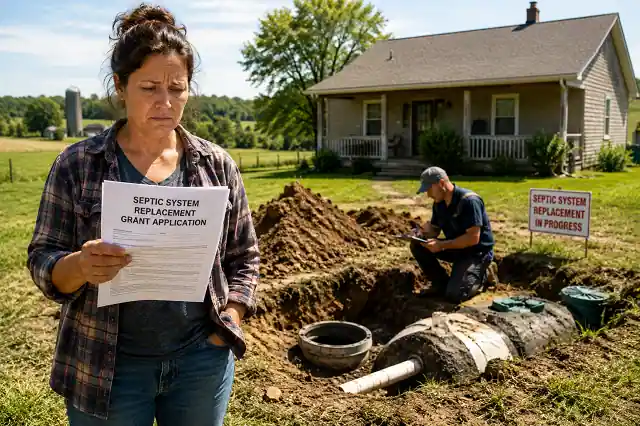
Why Septic System Replacement Costs Are Rising in 2026
Septic system replacement costs continue rising across the United States because of labor shortages, stricter environmental rules, material costs, and growing wastewater safety requirements.
In 2026, homeowners may pay anywhere from several thousand dollars to well over $20,000, depending on:
- Property size
- Soil conditions
- Drain field damage
- Permit requirements
- Local environmental regulations
- Excavation needs
- Connection to public sewer systems
Rural homeowners often face even higher costs because properties may require larger septic systems or difficult excavation work.
Many families now combine septic assistance programs with broader homeowner support resources, such as roof repair and replacement grants for homeowners and window replacement grants and financial help to reduce overall repair expenses.
USDA Grants for Septic System Replacement in Rural Areas
The USDA Rural Development program remains one of the most important resources for rural homeowners who need septic system assistance.
Several USDA programs may help eligible low-income homeowners repair or replace failing septic systems, especially in rural communities.
One of the best-known options is the USDA Section 504 Home Repair Program.
This program may provide:
- Home repair grants for seniors
- Low-interest repair loans
- Financial assistance for health and safety hazards
- Septic and wastewater repair support
Low-income rural homeowners over age 62 may qualify for grants if they cannot repay a loan.
USDA assistance may also help homeowners address other major housing problems, including government roof replacement grants for homeowners and financial help for fixing dangerous water leaks.
EPA Septic System Assistance Programs for Low-Income Families
The Environmental Protection Agency septic system resources provide guidance and funding support opportunities for communities dealing with wastewater and septic system issues.
Although the EPA does not usually provide direct grants to individual homeowners, EPA funding often supports:
- State wastewater assistance programs
- Local health department septic projects
- Community environmental cleanup programs
- Low-income wastewater infrastructure upgrades
Some states use EPA-backed funding to provide grants or low-interest loans for septic replacement projects.
Families living in environmentally sensitive areas may receive priority because septic failure can contaminate groundwater, rivers, and nearby drinking water sources.
Homeowners improving aging properties may also benefit from state-specific home repair grants for low-income families and hidden home repair assistance programs available in many communities.
State and Local Grants for Septic Tank Replacement
Many states, counties, and local health departments now offer septic system replacement grants or wastewater repair assistance programs.
These programs are often designed for:
- Low-income homeowners
- Rural residents
- Seniors and disabled homeowners
- Families with failing septic systems
- Properties creating environmental risks
Depending on the state, assistance may include:
- Direct septic replacement grants
- Low-interest wastewater repair loans
- Forgivable financing programs
- Emergency septic repair assistance
- Sewer connection funding
Many local programs work closely with county health departments because septic failure often creates public health concerns.
Homeowners searching for broader housing support may also want to review low-income home repair grant programs explained, and grants for major home repair upgrades.
HUD and Community Development Programs That May Help
Some homeowners may receive septic repair assistance through local housing programs funded by the U.S. Department of Housing and Urban Development (HUD).
Community Development Block Grant (CDBG) funding is sometimes used by cities and counties to help low-income families address serious housing and sanitation problems.
Depending on your location, HUD-supported programs may help cover:
- Emergency septic repairs
- Wastewater system replacement
- Health and safety housing upgrades
- Sewer system connection costs
- Rural housing rehabilitation projects
Because funding rules vary by state and county, homeowners should contact local housing agencies to ask about available septic repair assistance.
Families dealing with multiple home repair problems may also qualify for free government home repair grant programs, energy-efficient window replacement assistance, and door replacement grants for low-income homeowners.
Nonprofit Organizations That Help Pay for Septic System Replacement
Besides government grants, some nonprofit organizations and community lenders help low-income homeowners replace failing septic systems.
One of the best-known resources is the Rural Community Assistance Corporation (RCAC), which helps eligible rural homeowners access affordable wastewater system financing.
Another helpful organization is Communities Unlimited, which supports rural infrastructure and wastewater improvement projects in certain regions.
Nonprofit septic assistance may include:
- Low-interest repair loans
- Affordable repayment programs
- Financial counseling for homeowners
- Emergency septic repair support
- Wastewater system improvement assistance
Some nonprofits also partner with local governments to reduce costs for homeowners facing environmental health hazards.
Families struggling with multiple property repair issues may also benefit from free home repair grants for low-income families, financial assistance for fixing dangerous household leaks, and hidden home repair assistance programs many families miss.
Who Qualifies for Septic System Replacement Grants in 2026?
Eligibility requirements vary depending on the program, but many low-income homeowners may qualify if their septic system creates a health or safety concern.
You may qualify if:
- Your household income falls within low-income guidelines
- Your septic system has failed or become unsafe
- You own and live in the home
- Your property is located in an eligible rural or program area
- You cannot afford replacement costs without assistance
- You meet age or disability requirements for some grants
Many programs prioritize:
- Low-income families
- Seniors age 62 and older
- Disabled homeowners
- Veterans
- Rural residents
- Families with unsafe housing conditions
Homeowners struggling with major property damage may also qualify for emergency home repair grants for urgent repairs and low-income homeowner repair assistance programs.

Documents Needed to Apply for Septic Repair Grants
Preparing documents before applying can improve approval chances and speed up the review process.
Most programs may require:
- Government-issued identification
- Proof of homeownership
- Recent tax returns
- Proof of income or benefits
- Utility bills
- Property inspection reports
- Licensed contractor estimates
- Septic inspection documentation
Some local programs may also ask for proof that the failing septic system creates a health or environmental hazard.
Families preparing for large home repairs may also benefit from learning about roof repair grants and replacement assistance, and window replacement grants for homeowners.
How to Apply for Septic System Replacement Grants for Low-Income Homeowners
Step 1: Confirm Septic Failure
Have a licensed septic contractor inspect the system and provide documentation.
Step 2: Check Federal and State Programs
Review assistance through USDA, EPA-backed state programs, HUD-supported housing programs, and local health departments.
Step 3: Contact Local County Health Offices
Many counties manage septic assistance or environmental health grants.
Step 4: Gather Required Documents
Prepare proof of ownership, income, repair estimates, and septic inspection reports.
Step 5: Submit Grant Applications Early
Many funding programs operate on limited yearly budgets.
Step 6: Compare Multiple Assistance Sources
Homeowners may qualify for more than one program.
Step 7: Schedule Approved Repairs
Once approved, work only with licensed contractors accepted by the program.
Homeowners making large property repairs may also want to explore government roof replacement grants for homeowners, HUD home improvement grant programs, and grants for major home repair upgrades.
Common Mistakes Homeowners Should Avoid When Applying
- Waiting too long after septic failure occurs
- Applying without a contractor estimate
- Ignoring local health department programs
- Assuming only federal grants exist
- Missing required paperwork deadlines
- Hiring unlicensed contractors
- Applying after emergency damage becomes worse
Many homeowners miss opportunities simply because they only apply for one program. Comparing multiple assistance sources often improves approval chances.
Best States Offering Septic System Financial Assistance in 2026
Although septic assistance programs vary by location, some states continue offering stronger wastewater and septic replacement support.
Several states often provide septic assistance through housing, environmental, or rural infrastructure programs, including:
- Texas
- North Carolina
- South Carolina
- Pennsylvania
- Minnesota
- Wisconsin
- Michigan
- Florida
State and county health departments often manage septic replacement funding supported by environmental grants or local wastewater programs.
Families living in rural areas should also review state-specific home repair assistance programs and free government repair grants for homeowners.
Frequently Asked Questions About Septic System Replacement Grants
1. Can low-income homeowners get free septic system replacement grants?
Yes. Some federal, state, and local programs may provide grants that do not require repayment for eligible homeowners.
2. Does USDA help pay for septic system replacement?
Yes. The USDA Section 504 Home Repair Program may help eligible rural homeowners repair health and safety hazards, including septic systems.
3. How much does septic system replacement cost in 2026?
Costs vary widely, but replacement may range from several thousand dollars to more than $20,000 depending on the property and system type.
4. Can seniors get septic repair grants?
Yes. Some USDA and local programs prioritize low-income homeowners age 62 and older.
5. Are septic system grants available in every state?
Programs vary by location, but many states offer wastewater or environmental assistance for low-income homeowners.
6. Can I qualify if my septic system has not completely failed?
Sometimes. Programs may approve preventive replacement if the system creates a health or environmental risk.
7. Can septic replacement grants cover drain field repairs?
Yes. Some programs may help cover septic tanks, drain fields, leach fields, and wastewater upgrades.
How to Improve Your Chances of Getting Approved for Septic Assistance
- Get a licensed septic inspection before applying
- Gather contractor estimates early
- Apply for multiple programs at the same time
- Contact county health departments for local funding
- Prepare income and ownership documentation
- Apply before emergency damage becomes worse
- Check state housing and rural assistance programs
Why You Can Trust This Septic System Replacement Grant Guide
Last Updated: June 1, 2026
Reviewed By: HomePropertyGrants Editorial Team
1. Updated for 2026 Assistance Programs: This guide reflects current septic system replacement assistance, rural homeowner grants, and wastewater repair funding trends.
2. Based on Government Research: Information is reviewed using official resources from USDA, EPA, HUD, local health departments, and rural housing agencies.
3. Written for Low-Income Homeowners: Complex wastewater and septic repair topics are explained in simple language.
4. Focused on Real Financial Help: We prioritize grants and programs that may reduce septic replacement costs for struggling families.
5. Reviewed for Accuracy: Housing repair and septic assistance programs change regularly, and this guide is reviewed to maintain updated information.
Conclusion
Replacing a failing septic system can create serious financial stress for homeowners, especially low-income families already struggling with rising repair costs. Fortunately, several grants for septic system replacement for low-income homeowners in 2026 may help reduce or cover the cost of repairs, wastewater upgrades, and drain field replacement.
Programs through USDA, EPA-supported state assistance, HUD-funded housing programs, local health departments, and nonprofit organizations continue helping eligible families protect their homes and health.
The best strategy is to act early, gather required documents, compare multiple funding sources, and apply before the system failure becomes worse. With the right financial assistance, septic replacement costs may become far more manageable for struggling homeowners.

Arthur Pendelton is a senior housing policy researcher and public welfare analyst with over eight years of experience tracking federal, state, and non-profit residential repair programs. He specializes in statutory grant frameworks, including USDA Section 504 Rural Housing, the Department of Energy’s Weatherization Assistance Program (WAP), and municipal HUD Community Development Block Grants (CDBG). Arthur systematically audits Federal Register publications and Title 7/42 CFR regulatory updates to provide low-income homeowners, seniors, and military veterans with accurate, barrier-free application guidance.