
Solar panel rebates and grants available in 2026 can significantly reduce the cost of installing residential solar energy systems. Homeowners may qualify for federal tax incentives, state rebate programs, utility incentives, low-income assistance, and battery storage programs that together can lower installation costs by thousands of dollars while reducing long-term electricity bills.
Installing solar panels in 2026 is no longer limited to high-income households. Thanks to expanded federal incentives, state clean energy programs, utility rebates, and nonprofit assistance, millions of homeowners have access to financial support that makes renewable energy more affordable than ever.
This guide explains every major solar rebate, grant, tax credit, and incentive available in 2026. You’ll also learn who qualifies, how much assistance is available, which states offer the best programs, and how to combine multiple incentives legally to maximize savings.
Whether you own a single-family home, a manufactured home, rural property, or are a low-income homeowner, this comprehensive guide helps you understand the latest funding opportunities available across the United States.
Solar Panel Rebates and Grants Available in 2026: Complete Overview
Solar energy remains one of the fastest-growing home improvement investments in America. Rising utility costs, improvements in solar technology, and expanded government funding have made residential solar systems far more affordable than they were just a few years ago. Homeowners researching solar panel rebates and grants available in 2026 should understand that financial assistance can come from several different sources—including federal agencies, state governments, local utilities, nonprofit organizations, and clean energy authorities.
Many homeowners exploring broader home improvement assistance also qualify for programs discussed in our guide to home repair grants for homeowners, especially when solar installations are combined with eligible energy-efficiency upgrades.
Unlike traditional grants that provide direct cash assistance, many solar incentives work as tax credits, point-of-sale rebates, performance incentives, property tax exemptions, or low-interest financing. Combining several programs may reduce the effective cost of a solar installation by 40% or more, depending on where you live.
| Type of Assistance | Typical Benefit | Offered By |
| Federal Tax Credit | Percentage of installation cost | Federal Government |
| State Rebates | Direct cash incentive | State Energy Offices |
| Utility Rebates | Bill credits or installation incentives | Electric Utilities |
| Property Tax Exemption | Reduces tax increases | State Governments |
| Battery Incentives | Energy storage assistance | States & Utilities |
Federal Solar Incentives Every Homeowner Should Know
Federal incentives continue to play an important role in reducing the cost of residential solar installations in 2026. The availability and value of federal tax benefits depend on current federal law, eligibility requirements, and installation dates. Homeowners should verify the latest rules with the Internal Revenue Service and consult a qualified tax professional before claiming any federal clean energy tax benefits. Eligible costs may include solar panels, inverters, wiring, labor, permitting, and qualifying battery storage systems where applicable.
Homeowners considering additional energy-saving improvements should also compare available assistance through HUD home improvement grants, since many projects combine weatherization, roofing, insulation, and solar upgrades.
Qualified systems generally include:
- Solar photovoltaic (PV) panels
- Battery storage systems meeting federal requirements
- Solar mounting equipment
- Electrical upgrades required for installation
- Professional installation labor
- Permitting and inspection costs
The Internal Revenue Service provides detailed eligibility guidance, while the U.S. Department of Energy offers educational resources on residential solar technologies and clean energy financing.
Who Qualifies for Solar Panel Grants in 2026?
Eligibility depends on the specific program rather than one universal income limit. While federal tax incentives generally require qualifying installation expenses, many state and nonprofit programs prioritize low-income households, seniors, veterans, rural residents, tribal communities, and homeowners living in disadvantaged energy burden areas.
Veterans planning renewable energy improvements may also qualify for assistance discussed in our guide to home repair grants for veterans, particularly when solar installations accompany accessibility or critical home repairs.
Some state rebate programs require applicants to:
- Own and occupy the property
- Use a certified installer
- Install approved equipment
- Meet household income limits
- Apply before installation begins
- Remain connected to an eligible electric utility
Low-income homeowners should also review available assistance under roof replacement grants for low-income homeowners if roof repairs are needed before installing solar panels.
In rural communities, homeowners may benefit from USDA-supported energy initiatives alongside broader property assistance programs. Additional opportunities are available through the USDA Rural Development website, which regularly updates rural housing and energy assistance resources.
- ✔ Own your home
- ✔ Meet program income rules (if applicable)
- ✔ Use approved equipment
- ✔ Hire certified installers where required
- ✔ Submit applications before applicable deadlines
Many homeowners also combine renewable energy upgrades with assistance for federal and state roof replacement grants, particularly when an aging roof must be replaced before solar panels can be safely installed.
Older homeowners should compare solar incentives with other housing assistance, including roof replacement grants for seniors and window replacement grants for senior citizens, to maximize overall home energy savings.
State Solar Rebates and Incentive Programs Available in 2026
In addition to available federal incentives, many states continue offering their own rebates, grants, performance-based incentives, sales tax exemptions, property tax exemptions, and battery storage programs in 2026. These state incentives often provide substantial savings and may be combined with utility rebates where permitted. Because incentive rules, funding levels, and eligibility requirements vary by location and may change over time, homeowners should verify current program availability through their state energy office, local utility provider, and the Internal Revenue Service before beginning a project.
If your home also requires structural improvements before installing solar panels, you may benefit from roof replacement grants for homeowners, since many roofing projects must be completed before solar equipment can be safely installed.
Several states continue leading the nation in solar incentive programs. California supports battery storage through the Self-Generation Incentive Program (SGIP), New York provides incentives through NYSERDA, Illinois operates the Illinois Shines Program, New Jersey offers Successor Solar Incentive (SuSI) payments, and Massachusetts continues supporting qualified battery storage through ConnectedSolutions. Program funding, eligibility requirements, and payment amounts vary by state and may change during the year.
| State | Main Program | Primary Benefit |
| California | SGIP | Battery storage incentives |
| New York | NYSERDA Solar Programs | Residential rebates and financing |
| Illinois | Illinois Shines | Renewable energy incentives |
| New Jersey | SuSI Program | Performance-based payments |
| Massachusetts | ConnectedSolutions | Battery participation incentives |
Improving a home’s overall energy efficiency before installing solar panels often produces better long-term savings. Homeowners replacing older windows may also qualify for window replacement grants and assistance programs, helping reduce household energy consumption before sizing a new solar system.
For official information on state clean energy incentives, homeowners should consult the Database of State Incentives for Renewables & Efficiency (DSIRE), one of the nation’s most comprehensive sources for renewable energy incentive information.
Utility Company Rebates and Net Metering Opportunities
In addition to state incentives, many electric utilities continue offering valuable solar programs. Depending on your location, utility companies may provide installation rebates, battery incentives, demand-response payments, renewable energy credits, or compensation for electricity exported back to the grid through net billing or net metering arrangements.
Homeowners making broader energy improvements frequently combine solar installations with projects funded through grants for energy-efficient windows, reducing total household electricity demand and improving the return on their solar investment.
Available utility incentives may include:
- Solar installation rebates
- Battery storage incentives
- Monthly bill credits
- Time-of-use demand programs
- Renewable energy performance payments
- Community solar participation opportunities
Because utility policies differ significantly across states, homeowners should contact their electric provider before purchasing equipment. Some utilities now compensate exported electricity using updated net billing formulas rather than traditional one-to-one net metering.
Homeowners planning multiple renovations may also benefit from HUD home improvement grant programs, particularly when energy upgrades are completed alongside essential housing repairs.
Current federal guidance on residential solar technologies and clean energy resources is available through the U.S. Department of Energy.
Solar Assistance Programs for Seniors, Veterans, Low-Income Families, and Rural Homeowners
Many of the strongest solar assistance programs in 2026 are targeted toward households with the greatest energy burden. State governments, nonprofit organizations, community action agencies, and electric cooperatives continue prioritizing low-income homeowners, seniors, veterans, tribal communities, and residents of rural areas for clean energy assistance.
Older homeowners planning to remain in their homes for many years may also qualify for home improvement grants for seniors, allowing them to combine accessibility improvements with energy-saving upgrades.
Programs may provide assistance through direct rebates, subsidized financing, community solar participation, battery storage incentives, or weatherization improvements that reduce overall household energy consumption before solar panels are installed.
Veterans who own older homes should also review available home repair grants for disabled veterans, since repairing roofs, electrical systems, or structural components is often necessary before a solar installation can proceed.
- ✔ Owner-occupied primary residence
- ✔ Household meets applicable income requirements
- ✔ Installation completed by an approved contractor where required
- ✔ Equipment satisfies program standards
- ✔ Application submitted before installation if required
Rural homeowners may find additional housing assistance through the USDA Section 504 Home Repair Program, which can help address critical repairs before renewable energy improvements are undertaken.
Families facing major repair needs before installing solar panels should also review emergency home repair grants, especially when storm damage or unsafe housing conditions delay energy-efficiency upgrades.
The federal Weatherization Assistance Program (WAP) remains an important resource for eligible low-income households by helping reduce home energy consumption through insulation, air sealing, and other efficiency improvements that complement future solar investments.
Battery Storage Rebates and Community Solar Programs in 2026
Battery storage is becoming an essential part of residential solar systems in 2026. Instead of sending all excess electricity back to the grid, homeowners can store energy for use during power outages, peak-rate hours, or emergencies. Several states now offer battery-specific rebates that can be combined with qualifying solar installations, especially for households in wildfire-prone or disaster-prone regions.
If your home requires electrical upgrades before adding a battery system, review available grants to replace electrical panels, as many older homes need service panel improvements before installing modern solar equipment.
Community solar programs continue expanding across many states. Instead of installing rooftop panels, eligible homeowners and renters subscribe to a shared solar project and receive credits on their monthly electric bills. These programs are particularly beneficial for households with shaded roofs, condominiums, manufactured homes, or properties that cannot support rooftop systems.
| Program Type | Best For | Main Benefit |
| Battery Rebate | Existing solar owners | Lower storage costs |
| Community Solar | Renters & unsuitable roofs | Utility bill savings |
| Virtual Net Billing | Shared solar participants | Monthly electric credits |
| Resilience Programs | High-risk outage areas | Backup power support |
Official information on battery technologies and energy storage is available through the U.S. Department of Energy Solar Energy Technologies Office.
How to Combine Multiple Solar Incentives Legally
Many homeowners mistakenly assume they can receive only one form of assistance. In reality, numerous incentive programs are designed to work together. Depending on state rules, homeowners may qualify for a state rebate, utility incentive, battery rebate, property tax exemption, and low-interest financing on the same project.
If major roof work is required before installing solar equipment, homeowners should also review roof replacement grants for veterans when applicable, or other roof assistance programs that match their eligibility.
Before signing an installation contract, ask your contractor which incentives are deducted immediately and which require separate applications after installation. Keeping organized records—including contracts, permits, inspection reports, and proof of payment—can simplify the rebate process.
Homeowners upgrading windows alongside solar installations may further improve long-term energy savings by exploring energy-efficient window replacement grants for veterans where eligibility applies.
Common Application Mistakes That Delay Solar Rebates
Even well-qualified homeowners occasionally lose valuable incentives because of avoidable application mistakes. Missing deadlines, incomplete documentation, selecting non-approved equipment, or hiring installers who are not recognized by a program can delay or even disqualify rebate applications.
Families planning several home improvements at once should coordinate projects carefully. For example, homeowners replacing damaged roofs after severe weather may benefit from emergency roof tarp grants after storm damage before installing permanent solar equipment.
The most common mistakes include:
- Applying after installation when pre-approval is required
- Missing utility interconnection paperwork
- Using equipment that does not meet program standards
- Failing to keep invoices and inspection reports
- Ignoring local permitting requirements
- Missing annual funding deadlines
Older homes may also require safety repairs before solar installation. Homeowners facing structural issues should review emergency home repair grants if urgent repairs could otherwise delay renewable energy upgrades.
The DSIRE database and your state energy office remain among the most reliable sources for checking current incentive eligibility, application deadlines, and program requirements.
State-by-State Solar Incentive Highlights for Homeowners in 2026
Although every state administers its own clean energy policies, homeowners should begin by checking both their state energy office and local utility provider before signing a solar installation contract. Some states emphasize upfront rebates, while others offer production-based incentives, battery storage assistance, property tax exemptions, or community solar opportunities.
If your home requires window upgrades before investing in solar, you may also qualify for window replacement grants for veterans if you meet eligibility requirements, helping reduce overall household energy consumption.
| State | Primary Incentive | 2026 Focus |
| California | Battery storage incentives | Grid resilience and backup power |
| New York | NYSERDA programs | Residential solar adoption |
| Illinois | Illinois Shines | Renewable energy credits |
| Massachusetts | ConnectedSolutions | Battery participation payments |
| New Jersey | SuSI Program | Performance-based incentives |
Homeowners replacing aging roofs before installing solar equipment should also compare available roof replacement grants for seniors when applicable, since solar installers generally recommend installing panels only after major roofing work has been completed.
The Database of State Incentives for Renewables & Efficiency (DSIRE) remains one of the most reliable sources for comparing state-specific renewable energy incentives.
Income Limits, Eligibility Requirements, and Estimated Assistance
Unlike many housing assistance programs, solar rebates do not always follow a single nationwide income limit. Some incentives are available to nearly all homeowners, while others prioritize low-income households, seniors, veterans, tribal communities, and residents living in disadvantaged energy burden areas.
Veterans planning broader home modernization projects should also review federal home repair grants for veterans, especially when combining energy improvements with essential structural repairs.
Common eligibility factors include:
- Owner-occupied primary residence
- Qualified solar equipment
- Approved installer where required
- Utility interconnection approval
- Household income for income-based programs
- Application submitted within program deadlines
| Program Type | Income Test | Typical Assistance |
| State Rebates | Sometimes | Varies by state |
| Utility Incentives | Usually No | Cash rebate or bill credits |
| Community Solar | Sometimes | Monthly utility savings |
| Low-Income Programs | Yes | Higher financial assistance |
Families with limited incomes may also qualify for home repair grants for low-income homeowners, allowing critical housing repairs to be completed before investing in renewable energy improvements.
- ✔ Confirm program eligibility.
- ✔ Compare multiple installer quotes.
- ✔ Verify contractor certification.
- ✔ Keep copies of every invoice and permit.
- ✔ Check application deadlines before installation.
Financing Options That Can Reduce Upfront Solar Costs
Even when rebates are available, many homeowners finance part of their solar installation. Common financing options include solar loans, utility-sponsored financing, Property Assessed Clean Energy (PACE) programs where available, credit union loans, and state-sponsored clean energy financing.
Homeowners making several improvements at the same time may also benefit from home improvement grants for low-income homeowners, depending on state eligibility requirements and available funding.
Before choosing financing, compare the total project cost after rebates, loan interest rates, estimated energy savings, warranty coverage, and expected equipment lifespan. A lower monthly payment is not always the least expensive option over the lifetime of the system.
Older veterans upgrading their homes for long-term occupancy may also explore home improvement grants for veterans when combining accessibility improvements with energy-efficiency upgrades.
For guidance on consumer financing and clean energy resources, homeowners can consult the U.S. Department of Energy and their state energy office before signing financing agreements.
How to Apply for Solar Panel Rebates and Grants in 2026
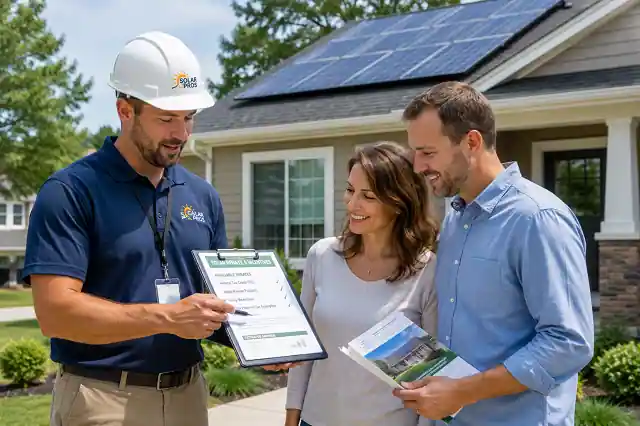
Applying for solar rebates and grants requires careful planning. While every program has its own requirements, most homeowners follow a similar process. Preparing documents before requesting quotes can significantly improve the approval process and help avoid unnecessary delays.
If your home requires safety or structural improvements before installing solar panels, you may also qualify for home repair grants for seniors if you meet the eligibility requirements.
| Application Step | Purpose |
| Verify eligibility | Confirm program requirements |
| Collect documentation | Prepare ownership and income records |
| Obtain contractor quotes | Compare qualified installers |
| Submit applications | Meet rebate deadlines |
| Complete inspection | Receive final approval and incentive |
Most programs request proof of homeownership, government-issued identification, recent utility bills, contractor estimates, permits, and proof that approved equipment will be installed. Keeping digital copies of every document helps simplify future rebate claims.
Homeowners replacing aging windows before installing solar equipment may also benefit from window replacement rebates and assistance programs, which can improve overall household energy efficiency.
Expert Strategies to Maximize Your Solar Savings
The homeowners who save the most rarely rely on a single incentive. Instead, they coordinate rebates, utility programs, financing options, and home efficiency improvements to reduce both installation costs and future electricity expenses.
Replacing inefficient windows before installing solar panels can reduce overall electricity demand. Eligible households should compare available low-income window replacement grants before sizing a new photovoltaic system.
Additional ways to maximize savings include:
- Compare at least three certified installer quotes.
- Apply for every available state and utility incentive.
- Consider adding battery storage where rebates are available.
- Improve insulation and window efficiency before installing solar.
- Schedule installation before annual rebate funds are exhausted.
- Keep complete records for future inspections and warranty claims.
Veterans planning multiple home improvements may also review home window grants for veterans to reduce overall renovation costs while improving long-term energy efficiency.
Frequently Overlooked Solar Assistance Opportunities
Many homeowners focus only on statewide rebate programs and miss valuable local opportunities. Counties, municipalities, nonprofit organizations, electric cooperatives, and community development agencies occasionally provide grants, forgivable loans, or low-interest financing that can further reduce project costs.
Families completing accessibility improvements alongside renewable energy upgrades may also qualify for bathroom upgradation grants for disabled homeowners, depending on program eligibility.
Additional opportunities may include:
- Community solar subscriptions
- Local government sustainability grants
- Electric cooperative financing
- Disaster recovery rebuilding programs
- Property tax exemptions
- Sales tax exemptions on qualifying equipment
Seniors making broader home improvements should also compare bathroom upgradation grants for seniors when planning comprehensive aging-in-place renovations.
The U.S. Department of Energy Homeowner’s Guide to Going Solar provides practical guidance on selecting installers, understanding financing options, and preparing for residential solar installation.
- ✔ Verify every available incentive.
- ✔ Confirm contractor licensing.
- ✔ Read warranty terms carefully.
- ✔ Understand financing costs.
- ✔ Keep copies of all project documentation.
Frequently Asked Questions (FAQs)
1. Are there still solar panel rebates available in 2026?
Yes. Although federal residential incentives have changed, many states, utilities, and local governments continue offering rebates, battery incentives, tax exemptions, financing programs, and community solar opportunities. Homeowners should also review home window replacement grants and assistance to improve overall energy efficiency before installing solar.
2. Who qualifies for solar grants?
Eligibility depends on the program. Some incentives are available to nearly all homeowners, while others prioritize low-income households, seniors, veterans, tribal communities, or rural residents. Income limits and documentation requirements vary by state.
3. Can I combine multiple solar incentives?
In many cases, yes. Homeowners may be able to combine state rebates, utility incentives, battery storage programs, property tax exemptions, and financing programs, provided each program’s rules allow stacking.
4. Do I need to own my home?
Most rooftop solar rebate programs require applicants to own and occupy the property. Renters may instead qualify for community solar subscription programs.
5. Are battery storage systems eligible for rebates?
Several states and utilities continue offering battery-specific incentives that improve backup power and increase the value of residential solar systems.
6. Should I repair my roof before installing solar panels?
Yes. Most installers recommend completing major roof repairs first. Homeowners may also qualify for roof replacement grants and assistance before investing in solar equipment.
7. Where can I verify available incentives?
Start with your state energy office, electric utility, the DSIRE database, and the U.S. Department of Energy for current program information.
How to Apply for Solar Panel Rebates and Grants in 2026
- Research available incentives from your state, utility company, and local government.
- Confirm eligibility requirements, including income limits, ownership rules, and approved equipment.
- Collect supporting documents such as utility bills, proof of ownership, tax records, and contractor estimates.
- Obtain multiple installation quotes from licensed and experienced solar contractors.
- Submit rebate applications before beginning installation whenever pre-approval is required.
- Complete inspections and retain documentation including permits, invoices, warranties, and photographs.
- Monitor your rebate status and maintain your system according to manufacturer recommendations.
Why You Can Trust This Guide (EEAT)
Last Updated: July 2026
Reviewed By: HomePropertyGrants.com Editorial & Research Team
- Experience: Built specifically for U.S. homeowners researching residential solar incentives and home improvement assistance.
- Expertise: Information is based on guidance from state energy offices, utility programs, and official government resources.
- Authoritativeness: References throughout this guide point readers to recognized public agencies and renewable energy resources.
- Trustworthiness: Readers should always verify funding availability because state rebate budgets and eligibility requirements can change throughout the year.
- AI Summary Ready: This article explains who qualifies, available rebates, application steps, state programs, financing options, and practical strategies for maximizing residential solar savings in 2026.
Conclusion
Solar panel rebates and grants available in 2026 continue making renewable energy more accessible for homeowners across the United States. While available incentives differ by state, many households can still significantly reduce installation costs by combining state rebates, utility programs, battery incentives, community solar opportunities, and other financial assistance.
Planning ahead is the key to maximizing savings. Comparing multiple installer quotes, completing required home repairs before installation, understanding eligibility rules, and submitting applications before funding deadlines can substantially improve the overall value of your investment. Homeowners planning additional renovations should also explore home repair grants for senior citizens where applicable to complete essential improvements before transitioning to clean energy.

Arthur Pendelton is a senior housing policy researcher and public welfare analyst with over eight years of experience tracking federal, state, and non-profit residential repair programs. He specializes in statutory grant frameworks, including USDA Section 504 Rural Housing, the Department of Energy’s Weatherization Assistance Program (WAP), and municipal HUD Community Development Block Grants (CDBG). Arthur systematically audits Federal Register publications and Title 7/42 CFR regulatory updates to provide low-income homeowners, seniors, and military veterans with accurate, barrier-free application guidance.