
Free Home Security Improvement Grants 2026: Upgrades & Eligibility
Home security improvement grants in 2026 help you pay for safe doors. They pay for smart locks, alarms, and outdoor lights. They also cover security cameras and emergency safety fixes. You can get money from federal offices and state housing programs. Local cities, charities, and power companies also help out.
Keeping your house safe is very important in 2026. Crime is going up in some neighborhoods. Bad storms also happen more often. Many people want smart home technology now. Government offices and charities are giving more money to help. You will not see many programs called “home security grants.” But, many house repair and access programs let you add security upgrades.
Many different people can get this money. Seniors, veterans, disabled people, and low-income families can qualify. Country families and first-time homeowners can also get help. This money pays for strong outside doors and tough windows. It pays for bright security lights and smart cameras. It also covers smoke alarms and emergency help buttons.
This 2026 guide explains the newest grant programs. You will learn the rules and income limits. We show you the state programs and money amounts. We also teach you smart ways to get local help.
What Are Home Security Grants?
Home security grants are free money programs. They help you pay for approved safety upgrades. Normal bank loans make you pay the money back. Free grants do not make you pay them back if you follow the rules.
Many homeowners already qualify for home repair grants for veterans. These people can also get security upgrades. The upgrades must protect the health and safety of the family.
Homeowners doing walking access repairs should read bathroom upgradation grants for seniors. Many housing programs mix walking access fixes with security upgrades in one package.
Depending on the rules, approved upgrades might include:
- Smart security systems
- Security cameras
- Video doorbells
- Motion sensor lights
- Strong outside doors
- Better deadbolt locks
- Tough security windows
- Smoke and carbon monoxide alarms
- Emergency alert buttons
- Wheelchair emergency doors
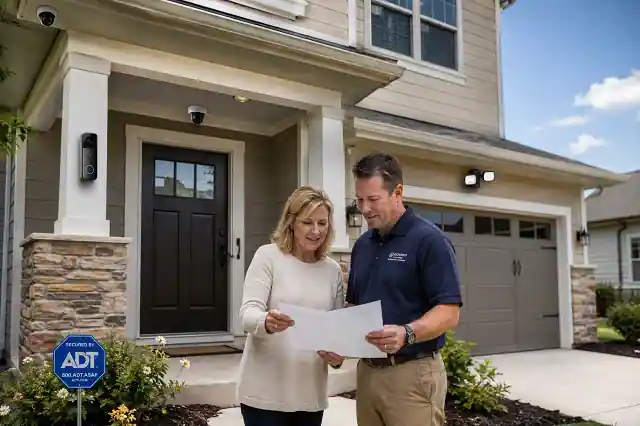
Why Home Security Grants Are Important in 2026
Federal housing offices know that home security means family safety. Safe homes keep the whole neighborhood calm. It also helps seniors stay in their homes longer. Because of this, many repair grants now pay for security upgrades.
Homeowners taking out old windows can mix energy savings with security. You can read about this in window replacement grants for senior citizens. Stronger windows keep you safe and keep the cold air out.
Putting on a new roof also stops burglars and keeps the house strong. You can learn about this money in federal and state roof replacement grants. This money works well with big house repair jobs.
| Security Upgrade | Normal Cost (2026) | Can Grants Pay For It? |
|---|---|---|
| Smart security system | $700–$2,500 | Yes |
| Security cameras | $400–$2,000 | Yes |
| Strong outside door | $900–$3,500 | Yes |
| Motion lights | $200–$900 | Yes |
| Smoke & air alarms | $100–$600 | Almost Always |
Many cities mix security fixes with sealing the house and walking access jobs. Veterans checking home window grants for veterans might find more security money from city housing offices.
Are you doing big wood and structure repairs? Check the rules in roof replacement grants and window replacement grants for veterans. Big house repair jobs get approved faster than small security jobs by themselves.
Real federal offices include the HUD office and USDA Rural Development. You can also check FEMA. All these offices run programs that pay for home safety fixes. This depends on where you live and your income.
Federal Programs That Pay for Home Security
The government does not have one big “Home Security Grant” program. But, many housing programs let you add security upgrades to your file. The upgrades must improve health, safety, or house strength. Strong doors, tough windows, and smoke alarms are approved often. Motion lights and emergency doors get approved too. They must be part of a bigger house repair job.
Homeowners planning big repairs must check the rules first. Read the rules in the complete home repair grants guide. Many federal and city programs use these exact same rules to approve security upgrades.
People living in the country should also read home repair grants for rural homeowners. Country safety fixes are often put into USDA repair jobs.
HUD Community Development Block Grant (CDBG)
The HUD CDBG program is a huge pile of money for 2026. It pays for local house repairs. Cities and counties get this money every year. They use the cash to fix health and safety dangers in family homes.
Local city rules tell you what CDBG money can buy. It often pays for super strong front doors and bright outside lights. It pays for smoke alarms and clean air detectors. It also covers security windows and flat wheelchair doors. All these things protect your family.
USDA Section 504 Home Repair Program
The USDA Section 504 program helps country homeowners. It helps very-low-income families remove health and safety dangers. Office workers check every single repair request. Security upgrades get approved if they fix a real danger. They also get approved inside a big repair job.
Families putting in a new outside door should read front door replacement grants. A strong front door stops burglars and keeps the warm air inside.
| Federal Program | Possible Security Upgrades | Who Can Normally Get It |
|---|---|---|
| HUD CDBG | Doors, lights, alarms, walking access | Homeowners who pass the income limit |
| USDA Section 504 | Health and safety danger repairs | Very-low-income country families |
| HOME Grants | Full house repair jobs | Families who own and live in the home |
| FEMA Storm Money | Strong storm safety upgrades | Homeowners in approved disaster zones |
| VA Housing Grants | Walking access and safe house changes | Veterans who meet the rules |
State and Local Home Security Grants in 2026
Every state gives out house repair money in its own way. Many states add their own money to the federal pile. They use housing trust funds and neighborhood repair programs. These programs often pay for security upgrades when they fix a real health or safety danger.
Before you ask your city for money, read the state home repair grants guide. It explains how state housing money is different from federal money.
Homeowners putting in stronger outside doors after a bad storm might also get help from grants for installing storm windows and doors. This is very common in places that get bad hurricanes or tornadoes.
Many older homeowners mix walking access fixes with security upgrades. Programs shown in accessibility home modification grants for seniors often pay for safer front doors, emergency exits, grab bars, and brighter lights.
In Texas, homeowners needing walking access fixes should look at Texas accessibility modification grants for disabled homeowners. People in Delaware needing safe front doors might get help from Delaware door replacement grants for low-income homeowners.
Always call your city housing desk, county office, or state housing office before you start building. Most programs demand to approve your form before any work starts. The amount of money they have changes depending on the county budget and your family income.
Who Can Get Home Security Improvement Grants in 2026?
The rules change depending on the program. But most home security grants go to homeowners who really need the money. You must own the house, live in it every day, and prove you have a real safety danger. Government housing offices want to fix health and safety risks, not make your house look pretty.
Veterans should check the money offered in federal home repair grants for veterans. Several VA and city repair programs can pay for security upgrades if they are part of a big house repair job.
Families living on very little money might also get help from home repair grants for low-income homeowners. These programs often include repairs that make a house safer.
| Rule to Pass | Normal Request |
|---|---|
| Owning the House | You must own it and live there every day |
| Family Income | Usually based on the county limit (AMI) |
| Property Type | Your main, everyday house |
| Goal of the Job | Health, safety, walking access, or big repairs |
| Program Location | House must be inside the approved map borders |
Many programs use income limits based on what the county normally makes (AMI). In 2026, families making below 50% to 80% of the county limit go to the front of the line. The exact limit changes in every county and state.
- ✓ A real government photo ID
- ✓ Paper proving you own the house
- ✓ Your newest property tax bill
- ✓ Papers showing how much money you make
- ✓ Photos showing the safety dangers
- ✓ Written builder prices if they ask
Older homeowners often get extra help. If you want to do big repairs and add security, check out home repair grants for seniors. Many city offices save money just for older adults so they can live safely at home.
Homeowners with disabilities should look at bathroom upgrade grants for disabled homeowners. Walking access improvements are almost always approved together with security fixes like brighter lights and safe doors.
What Home Security Fixes Are Normally Covered?
Approved fixes depend on who gives you the money. Most programs support upgrades that make the family safer, stop injuries, and make the house stronger. They almost never pay for fancy, luxury security gadgets unless they prove a real safety need.
If your house also needs big wood and structure repairs, HUD home improvement grants might give you enough money to do health and safety upgrades all at once.
Homeowners getting new windows should compare money programs in the window replacement grants guide. Stronger windows make the house safer from burglars and keep the warm air inside.
Normally approved security fixes include:
- Heavy-duty front and back doors
- Strong locks that bolt in many places
- Super tough windows that will not break easily
- Security lights that turn on when someone walks by
- Smoke and bad air alarms
- Emergency doors that fit a wheelchair
- Strong handrails and safe outside stairs
- Emergency buttons to call for help
- Special doors that stop fires from spreading
- Upgrades to help the neighborhood survive bad storms
Veterans with injuries from their service can get extra repair help from home repair grants for disabled veterans. This is really helpful when security fixes let the veteran live on their own safely.
If a bad roof is making the house unsafe, homeowners should check the money in roof replacement grants for low-income homeowners. Big repair jobs usually get more money than small, single fixes.
How Much Money Can Homeowners Get in 2026?
The amount of money you can get for security fixes depends on the office, your income, where you live, and how big the job is. Very few programs pay just for a security system. However, many house repair grants will pay for security upgrades if they are part of a health and safety job.
Veterans doing a lot of outside work should check the money in roof replacement grants for veterans. Many big repair jobs mix roofing, new doors, bright lights, and strong wood fixes together.
Older homeowners might get help from roof replacement grants for seniors. This is very true when a bad roof creates security, weather, or falling dangers.
| Who Gives the Money | Normal 2026 Money Amount | Common Security Fixes |
|---|---|---|
| HUD Repair Programs | $5,000–$25,000+ | Doors, windows, lights, alarms |
| USDA Section 504 Grants | Up to the program limit for approved families | Health and safety danger repairs |
| State Housing Programs | Changes in every state and county | Walking access and security upgrades |
| Local City House Repairs | $2,500–$20,000+ | Outside safety improvements |
| Charity Help | Changes based on the job | Super important home safety repairs |
Homeowners getting new windows should compare the money in window replacement grants for low-income homeowners. Strong windows make the house safer and drop the power bill.
If your job includes making the bathroom easier to use, check out bathroom repair grants for low-income homeowners. Many local repair programs let you put multiple safety fixes on one single form.
Charity Groups That Help Pay for Home Security
Government money is not the only way to get help. Across America, charity groups, churches, and local housing groups give out free money or volunteer workers. They help homeowners who cannot afford important safety fixes.
Homeowners needing big house repairs should look at emergency home repair grants. Emergency programs always fix houses with immediate health or security dangers first.
Many charities work with the city government to put in smoke alarms, wheelchair ramps, emergency lights, strong front doors, and grab bars. This helps families stay safe in their own homes.
Senior homeowners planning big repair jobs should also look at home repair grants for senior citizens. Many counties save money every year just to help older people stay in their homes.
Veterans looking for more repair help can read about home improvement grants for veterans. Allowed repairs often include safety upgrades that help veterans live on their own.
Texas homeowners should look at local repair programs and Texas home repair grants for senior citizens. Homeowners everywhere in the country can read the USDA Section 504 Home Repair Program guide before asking for federal money.
How to Make Your Grant Form Very Strong
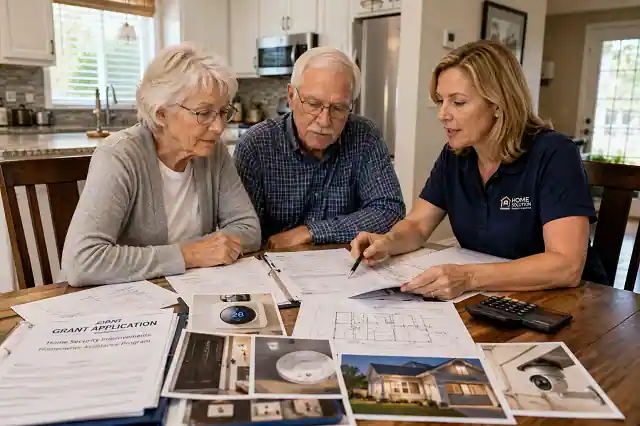
A lot of people ask for house repair money in 2026. This means your form must be perfect. Offices give grants to homeowners who prove the fix is for real health, safety, or access needs. They will not pay to just make the house look pretty.
If you are a veteran planning many safety fixes, check out bathroom upgradation grants for veterans. Mixing walking access and security upgrades makes your form much stronger.
Homeowners getting new windows should also check window replacement grants for low-income homeowners. City housing offices love jobs that improve security and save energy at the same time.
- Give clear photos showing the safety dangers.
- Get written, broken-down prices from a builder.
- Explain exactly how the fix keeps your family safe.
- Include papers proving your income and that you own the house.
- Send all the papers before the deadline closes.
Many local offices also send an inspector to check your house before giving you money. Showing them that the upgrades stop burglars, help in emergencies, or fix dangerous damage really helps you get approved.
State Programs You Should Check in 2026
Federal housing programs are the base, but states often add their own money. These state programs are all very different. Homeowners must always call their state housing office, county desk, or city housing office to see if money is available right now.
Homeowners planning huge renovations should read about home improvement grants for low-income homeowners. Some state programs let you do many safety fixes under one big repair job.
People replacing old windows with strong, safe ones might also get grants for energy-efficient windows. This is great in states that reward you for saving energy and making the house safer.
| State | Normal Security Help | Who Gets Help First |
|---|---|---|
| California | House repairs, walking access, safety fixes | Low-income homeowners |
| Texas | House repairs and storm rebuilding | Seniors, veterans, country families |
| Florida | Hurricane safety and strong house projects | Homeowners near the ocean |
| Georgia | City housing repair jobs | Families who pass the income limit |
| North Carolina | USDA country repair jobs | Country homeowners |
Georgia homeowners should read about home repair grants in Georgia to find local repair programs that pay for security fixes.
Veterans getting new windows should compare energy-efficient window replacement grants for veterans. Homeowners doing big outside changes might also get help from home window replacement grant programs if their city has them.
Finally, remember that local money changes every single year. Calling your city housing office before you start working helps you find every grant, loan, and cash-back program for a safer house.
Big Mistakes That Delay or Ruin Your Grant
Even families who follow all the rules get denied because of silly mistakes. Because home security grants do not have a lot of money, you must send in a perfect form with all the right papers.
If you are planning many fixes at once, read about HUD home improvement grants. This helps you understand how big repair jobs are scored next to safety upgrades.
Veterans looking at big outside upgrades should also compare home improvement grants for veterans. Many programs want you to mix walk-up access, wood repairs, and security fixes into one form.
- Starting the work before the office says yes.
- Sending incomplete income papers.
- Missing builder prices or the inspector’s notes.
- Applying after the yearly money is all gone.
- Asking for things that look pretty instead of fixing a safety danger.
- Failing the local address or house ownership rules.
- Taking too long to answer when the office calls you.
Many offices give money first to jobs that fix proven safety dangers. Homeowners fixing bad roofs should compare grants to repair leaky roofs and upgrade bathrooms. Fixing real structural problems makes your home much stronger.
Older homeowners taking out unsafe windows might get help reading low-income window replacement grants. This is very true when security fixes mix with energy savings.
Final Thoughts: Planning a Safer Home in 2026
Home security improvement grants make important safety upgrades affordable for families. The money is hard to get. But, mixing security fixes with walking access, storm safety, saving energy, or big house repairs gives you the best chance of winning.
Senior homeowners planning future fixes should also look at home improvement grants for seniors. Homeowners changing old windows can compare help through window replacement grants.
How to Apply for Home Security Improvement Grants
- List the exact security fixes your house really needs.
- Find federal, state, county, and charity programs in your town.
- Check the rules for owning the house, your income, and your address.
- Gather your income papers, builder prices, inspector notes, and photos.
- Send perfect forms before the yearly deadline closes.
- Let the inspector check the house and answer their calls fast.
- Start working only after you get a real written “yes” letter.
Frequently Asked Questions (FAQ)
1. Are home security grants everywhere in America?
Many federal programs give money to states and cities. But the real grants change depending on your town and the yearly budget.
2. Can grants pay for security cameras?
Some repair programs will approve security cameras if they are part of a bigger health or safety job.
3. Do seniors go to the front of the line?
Yes. Many local housing offices help seniors, disabled homeowners, veterans, and low-income families first.
4. Can I get money for smart locks and security doors?
Maybe. It depends if the upgrades fix a real, proven safety danger under that specific program’s rules.
5. Do I have to pay taxes on these grants?
Many housing grants do not count as income for taxes. But you should ask a real tax expert about your own situation.
6. Can I mix different money programs together?
Sometimes, yes. Local offices might let you mix grants, cash back, loans, and charity help if the rules say it is okay.
7. Where should I start looking?
Start by calling your city or county housing desk. Call your state housing office, the USDA Rural office, or a HUD-approved helper.
Why You Can Trust This Guide (EEAT)
Last Updated: November, 2026
Reviewed By: Arthur Pendelton, Senior Public Housing Policy Analyst
- Official Sources: Facts come from HUD, USDA Rural Development, FEMA, VA, state housing offices, and real 2026 government pages.
- Editorial Review: Every program, rule, and grant is checked to make sure it is true and clear before we post it.
- Homeowner-Focused Research: The guide gives real rules, money plans, and form advice just for people who own their home.
- 2026 Updates: The money facts show current 2026 rules, budget trends, and real home repair help.
- Transparent Content: Because local money changes all year long, readers must call the real office to check the money before applying.
Conclusion
Making your house more secure is a great investment for your family’s safety. It also keeps your house value high. You must search for every federal, state, charity, and local program. Get your papers perfect. Mix security fixes with big repair jobs. Doing this helps homeowners drop their bills while making a safer, stronger home.

Arthur Pendelton is a senior housing policy researcher and public welfare analyst with over eight years of experience tracking federal, state, and non-profit residential repair programs. He specializes in statutory grant frameworks, including USDA Section 504 Rural Housing, the Department of Energy’s Weatherization Assistance Program (WAP), and municipal HUD Community Development Block Grants (CDBG). Arthur systematically audits Federal Register publications and Title 7/42 CFR regulatory updates to provide low-income homeowners, seniors, and military veterans with accurate, barrier-free application guidance.