
Smart Home Upgrade Grants 2026: Complete Filing Assistance
High power bills and outdated divices cost families between $2,000 and $8,000 every year. Getting real smart home upgrade grants gives you free public money to put in energy-saving technology. Homeowners can read the main home repair grants guide to compare programs before buying machines. Public help programs give out between $1,500 and $14,000. This money pays for smart thermostats, safe electric boxes, and smart water leak alarms. Families can lower their power bills and make their homes safer.
Public technology programs do not give out free cash for fun luxury gadgets. The money must pay for saving energy and making the house safe under strict federal laws. Programs run by the Energy Act follow Title 10 rules. City programs follow Title 24 rules. Country programs follow Title 5 of the Housing Act of 1949 under Title 7 rules. These programs demand to see your power bills, tax papers, and house deed.
For 2026, State Energy Offices are pushing big Home Energy Rebates. Whole-house energy fixes give up to $8,000, while special electric grants give up to $14,000 to low-income families. Power companies hand out money for smart thermostats four times a year until they run out of cash.
Internet ads often promise free government tickets for smart home gadgets. Real public help works through strict legal rules. Office workers must check your family income, your house deed, and run an energy test. Homeowners doing big fixes can look at municipal rehabilitation allocations in HUD home improvement grants to bundle their repairs. Following the official steps protects your house while getting you the grant money you need.
Most federal and state energy programs will never pay you back for machines you bought before they said yes. Buying smart thermostats or electric boxes on your credit card before getting a real approval letter cancels your grant. Always wait for a real written letter from the office before you buy anything.
Approved projects cover smart tech that really saves energy or makes the house safer. Trained workers put in smart heaters, smart electric boxes, and emergency water shutoffs. Electricians fix old electric boxes so they can handle new heat pumps and electric car chargers. These modern changes stop energy waste and protect families from dangerous electric fires.
Homeowners asking for federal weather and smart energy money must fill out real papers. You can Access Official DOE Home Energy Rebates Guidance (PDF) and get your old power bills ready before you meet the office workers.
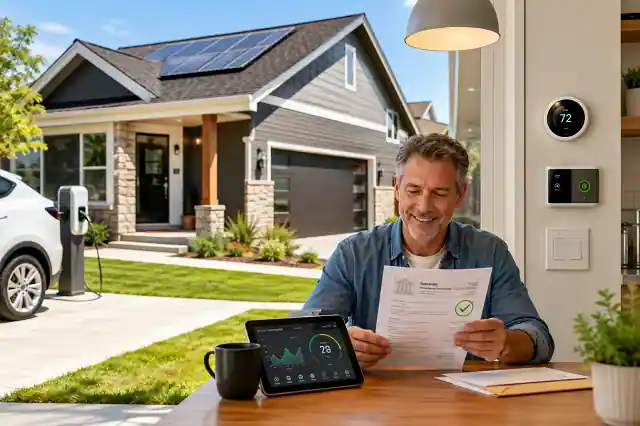
Understanding Public Help for Smart Home Tech
Public technology money pays for smart devices that really help the public good. Government programs buy machines that lower power use, stop water leaks, and help older adults live on their own. Review boards will always say no if you ask for fancy home speakers, motorized blinds, or fun light shows.
Saving energy is the number one goal in all fifty states. Smart heaters lower the stress on city power grids during freezing winters and super hot summers. Smart water alarms stop indoor floods from frozen pipes before the wood walls rot.
Seniors often mix smart safety tech with easy walking upgrades. Homeowners fixing bathrooms can read about safety modifications in bathroom upgradation grants for seniors. Mixing smart lights that turn on when you walk with big wood repairs saves you a lot of money.
Which Smart Machines Get Free Money?
Federal offices and power companies only pay for specific machines. The machine must have a real stamp proving it saves energy, checked through the ENERGY STAR Rebate Finder portal, or pass city building rules. Vague lists of random parts get denied right away.
Approved upgrades fix the big machines in your house. Smart thermostats automatically change the heat to lower gas and electric bills. Whole-house energy trackers watch your electric box to find hidden power waste. Automatic water valves feel when a pipe bursts and stop massive floods.
Putting in smart machines works best when you seal up the house first. Homeowners fixing drafty wood frames should check the energy standards in the window replacement grants guide. Putting in a smart thermostat after sealing the windows saves the most money on power bills.
| Technology Part | Main Public Good | Who Gives the Money | Average Money Given |
|---|---|---|---|
| Smart Thermostat | Lowers heating and cooling power waste | Power Companies / DOE Programs | $75 to $250 Fast Cash Back |
| Smart Electric Box | Controls exactly where power goes safely | DOE Electric Rebates (HEAR) | Up to $4,000 Direct Grant |
| Water Leak Shutoff | Stops terrible pipe flood damage | City Housing Offices | $500 to $1,500 Help |
| Smart Heat Pump Water Heater | Heats water when the city power grid is resting | State Clean Energy Offices | Up to $1,750 Direct Discount |
| Voice-Controlled Lights | Stops disabled seniors from falling | VA HISA / State Access Funds | $2,000 to $6,800 Grant |
Big Federal Smart Home Money in 2026
Federal money comes through a few different government offices. The Department of Energy runs Home Energy Rebates using state energy offices. Programs using Title 10 rules give whole-house weather fixes to lower your family’s utility bills.
Country homeowners can use the USDA Section 504 program. Seniors aged 62 and older can get free grants up to $10,000 to remove home hazards. Homeowners of any age can borrow up to $40,000 for 20 years at a tiny 1.0% interest rate to update house wiring and heaters.
Homeowners must know about important tax rule changes for 2026. The IRS clean energy tax rules say the old energy tax credits ended on December 31, 2025. Current IRS rules say you cannot use this credit for anything put in after December 31, 2025. Homeowners doing work in 2026 must use power company discounts and state grants instead.
Older homeowners needing many repairs can check out structural allocations in roof replacement grants for seniors. Fixing a bad roof before adding smart solar panels protects your money.
Income Rules and Getting Approved
Qualifying for smart home upgrade grants means you must pass strict income rules. Public programs use Area Median Income charts put out every year by HUD User Income Datasets. Low-income programs help families making below 80% of what their county usually makes.
Federal weather programs use the Federal Poverty charts to check if your family qualifies. Families making at or below 200% of the poverty line get free energy upgrades. Power company discounts often have higher income limits or do not check income at all.
| Household Size | Very Low Income (50% AMI) | Low Income (80% AMI) | Moderate Income (120% AMI) | Typical Program Access |
|---|---|---|---|---|
| 1 Person | $36,250 | $58,000 | $87,000 | USDA 504 / WAP / Power Discounts |
| 2 People | $41,400 | $66,250 | $99,400 | USDA 504 / WAP / Power Discounts |
| 3 People | $46,600 | $74,550 | $111,800 | DOE HEAR Rebates / City CDBG |
| 4 People | $51,750 | $82,800 | $124,200 | DOE HEAR Rebates / City CDBG |
Low income Homeowners can also check out targeted subsidies in home repair grants for low-income homeowners. Applying for more than one local program gets you the most money to help pay the bills.
Stacking Money: Mixing Power Discounts and Public Grants
Homeowners can mix different programs to lower the total cost of a big fix. This trick is called stacking. Mixing a discount from your power company with a state energy grant can pay for almost all the new machines.
Federal rules say you must split the repair jobs into different money piles. One program pays for a smart heat pump water heater. A totally different program pays for attic insulation and smart air alarms. Splitting the jobs like this follows the law and stops you from taking money twice for the exact same thing.
Homeowners doing big wood and structure jobs can read the federal and state roof replacement grants. Adding smart air fans when you get a new roof keeps the house strong for a long time. Getting these clean energy grants makes sure your new electric machines are put in by real, trained workers.
Special Help for Seniors, Veterans, and Disabled People
Public programs try to help people with health problems or people who have trouble walking first. Smart machines help seniors and disabled people live on their own without moving to a nursing home.
Lights you can talk to, smart door locks, and video doorbells stop bad falls. Smart fire and air alarms send a message to a nurse if there is an emergency. These smart machines pass the federal rules for making a house safe and easy to live in.
Military veterans can get home repair grants through VA disability housing grants. Veterans can read about statutory benefits in federal home repair grants for veterans. Hurt veterans can also check out adaptive housing options in home improvement grants for veterans to pay for automatic doors and smart thermostats.
| Homeowner Group | Best Smart Machine to Get | Main Government Program | Most Money Given |
|---|---|---|---|
| Senior Homeowners (62+) | Voice lights, smart heaters, fall alarms | USDA Section 504 Grant | Up to $10,000 in your life |
| Disabled Veterans | Automatic doors, flat roll-in showers | VA HISA / SAH Grants | $6,800 to $126,526 |
| Low-Income Families | Smart thermostats, pipe shutoff valves | DOE Weatherization (WAP) | 100% Free Parts & Labor |
| Country Families | Smart water well and septic alarms | USDA Rural Development | $40,000 at a 1% Interest Rate |
House Safety Rules and Builder Licenses
Public grant offices use strict safety rules before they let builders put in new smart machines. Office workers will throw out your form if your house has bad, broken wood or dangerous hazards that need fixing first.
Your house wires must pass the National Electrical Code before a smart electrical box can be put in. Houses with super old, dangerous wires must be updated by a real electrician first. Real, trained workers must put in the new machines to keep the factory warranty safe and keep your house from catching on fire.
Builders working on public jobs must have a real state license and carry strong insurance. Builders must also be signed up on the federal SAM.gov federal contractor database. Homeowners changing drafty wood frames can read window replacement grants for low-income homeowners to make sure the work passes city codes. Qualifying for public smart tech money makes sure all the work is done by real, safe professionals.
Step-by-Step: How to Apply for Smart Home Grants in 2026
Applying for tech money means keeping your papers neat and going step-by-step. Follow these seven steps to get your grant approved without long waits:
- Get a Home Energy Check: Ask your power company or Community Action Office to run a deep energy test on your house to find where you waste power.
- Find Approved Machines: Check your state energy list to find smart thermostats, electric boxes, or heat pumps that qualify for cash back.
- Gather Money Papers: Get your tax forms from the last two years, W-2s, recent pay stubs, and your new power bills.
- Find the Local Office: Call your State Energy Office, local Community Action Office, or your city housing desk.
- Get Written Builder Prices: Get clear, itemized prices from real licensed builders or electricians listed on SAM.gov.
- Send Forms Before You Buy: Send all your forms to the office first. Never buy smart machines on your credit card before you get a real approval letter in the mail.
- Pass the Final Check and Get Paid: Let the office inspector check the new machines before the office sends the grant check or lowers your power bill.
Homeowners doing many big fixes at once can also read statewide guidelines in federal and state roof replacement grants. Applying for smart home upgrade grants keeps your house safe while saving you a lot of energy.
Public energy money strictly follows federal laws like Title 7, Title 24, Title 10, and the new 2022 Inflation Reduction Act. Government offices never ask you to pay a fee to apply. Homeowners must stay away from companies that ask for cash to process a grant form.
Frequently Asked Questions
Is there just one big federal smart home grant in 2026?
No. Public money comes from many places like DOE Energy Rebates, USDA Section 504 loans, Weatherization money, and power company discounts.
What smart home machines can I get free money for?
Approved machines include smart thermostats, house energy trackers, smart electric boxes, heat pump water heaters, and automatic water leak shutoff valves.
Can I mix a smart home grant with a power company discount?
Yes. You can stack power company discounts with state energy grants as long as each program pays for a totally different machine.
Do I have to be super poor to get a smart home discount?
Some programs like WAP and USDA Section 504 demand that you have a very low income. But many power company discounts and state energy programs are open to everyone.
Can I buy the smart machines myself and get paid back later?
No. Most public programs say you must get a written “yes” before you buy the machine. Buying the machine before you get the letter cancels your grant.
Do smart machines make my house worth more money?
Yes. When real workers put in smart thermostats, new electric boxes, and leak alarms, the house saves energy and looks much better to people who want to buy it.
Next Steps: Get Your Smart Home Grants Now
Adding modern machines to your house lowers your monthly power bills and protects your family from electric fires and pipe floods. Qualifying for smart home upgrade grants gives you direct public money without draining your savings. Start today by calling your power company to set up a home energy check. Look at the county income limits, find your house deed, and grab two years of tax returns. Call your State Energy Office to make sure they are still taking forms for smart panels and thermostats. Sending your papers early gets you in line before the yearly money runs out.
Why You Can Trust This Guide
Last Updated: October 2026
Reviewed By: Arthur Pendelton, Senior Public Housing Policy Analyst
Experience: Our team has studied federal energy laws, city block grants, and power company rules in all 50 states for over ten years.
Expertise: All dollar limits and building rules come straight from real federal laws, like Title 10, Title 24, Title 7, and official Department of Energy rulebooks.
Authority: All 2026 money limits ($14,000 for DOE electric rebates, $10,000 for USDA grants, $8,000 for WAP fixes) are checked against the real Federal Register prints and official office rules.
Trustworthiness: HomePropertyGrants.com works completely alone. We never take money, favor builders, or get paid by machine makers or banks.
Helpful Decision Support: We explain hard energy rules in simple American English and give you direct links to real .gov forms to help families get real public help safely.

Arthur Pendelton is a senior housing policy researcher and public welfare analyst with over eight years of experience tracking federal, state, and non-profit residential repair programs. He specializes in statutory grant frameworks, including USDA Section 504 Rural Housing, the Department of Energy’s Weatherization Assistance Program (WAP), and municipal HUD Community Development Block Grants (CDBG). Arthur systematically audits Federal Register publications and Title 7/42 CFR regulatory updates to provide low-income homeowners, seniors, and military veterans with accurate, barrier-free application guidance.