
Smart home upgrade assistance in 2026 is usually available through broader energy-efficiency, weatherization, housing, accessibility, state, and utility programs rather than one nationwide smart-home grant. Depending on the program, eligible homeowners may find rebates or other assistance for smart thermostats, energy management technology, safety devices, accessibility equipment, and qualifying home improvements.
Smart home technology is no longer just about convenience. In 2026, connected devices help homeowners lower utility bills, improve home security, reduce maintenance costs, protect against water damage, support aging in place, and increase overall energy efficiency. As these benefits become more measurable, government agencies, utility companies, and state energy offices continue expanding financial assistance for qualifying smart home improvements.
Although there is no single nationwide Smart Home Grant, homeowners may qualify for multiple forms of assistance by combining federal grants, state rebates, utility incentives, local housing rehabilitation programs, and federal tax credits. Many homeowners also maximize funding by completing smart home upgrades alongside roof replacement, window replacement, accessibility improvements, or major energy-efficiency renovations.
This guide explains the latest 2026 eligibility requirements, available grant amounts, income limits, state-specific opportunities, and funding strategies to help homeowners complete affordable smart home upgrades.
What Are Smart Home Upgrade Grants?
Smart home upgrade grants are financial assistance programs that help homeowners install connected technologies designed to improve energy efficiency, accessibility, home safety, and disaster resilience. Rather than paying for luxury automation systems, these programs generally support smart devices that provide measurable public benefits such as lower electricity consumption, improved indoor safety, better water conservation, or increased independence for older adults and people with disabilities.
Many homeowners begin their modernization projects through larger rehabilitation programs before adding qualifying smart technologies. Veterans planning whole-home improvements may also qualify through federal home repair grants for veterans and rehabilitation assistance, where approved smart upgrades can often be included within eligible renovation work.
Senior homeowners completing accessibility renovations frequently combine smart lighting, voice-controlled devices, fall detection systems, and connected emergency alerts with projects supported by bathroom upgradation grants for seniors, creating safer and more energy-efficient living environments.
Which Smart Home Improvements Receive Financial Assistance?
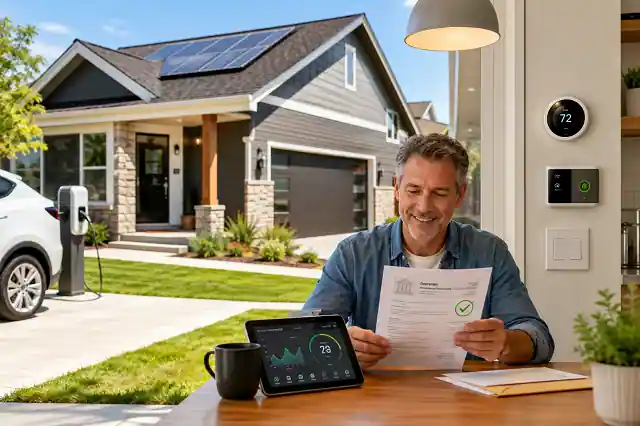
Funding priorities vary by program, but agencies generally support smart technologies that reduce utility costs, improve household safety, or help homeowners remain in their homes longer. ENERGY STAR® certified products and professionally installed systems often receive higher consideration under state energy programs and utility rebate initiatives.
| Eligible Smart Upgrade | Primary Benefit | Possible Funding Source |
| Smart thermostat | Lower heating and cooling costs | Utility rebates, DOE-funded energy programs |
| Home energy management system | Reduced electricity consumption | State Energy Offices |
| Smart electrical panel | Improved energy monitoring | Federal and state energy incentives |
| Leak detection and automatic shutoff | Water damage prevention | Housing rehabilitation programs |
| Smart smoke and carbon monoxide alarms | Improved household safety | Community safety initiatives |
Installing connected climate controls becomes even more effective after replacing inefficient windows. Homeowners planning both improvements should compare available funding through the complete window replacement grants guide and window replacement grants for senior citizens where applicable.
Likewise, replacing an aging roof before installing solar-ready smart technology often improves long-term performance. Eligible homeowners should also review roof replacement grant opportunities for homeowners and federal and state roof replacement grant programs when planning comprehensive home modernization.
- ✔ Proof of homeownership
- ✔ Government-issued photo ID
- ✔ Recent utility bills
- ✔ Household income documentation (if required)
- ✔ Contractor estimates
- ✔ Product specifications for qualifying smart equipment
- ✔ Photos of the existing home systems
Major Federal Smart Home Funding Available in 2026
The U.S. Department of Energy’s Home Energy Rebates Program is being implemented by participating states and territories. Depending on the state program, eligible households may receive rebates for qualifying energy-efficiency and electrification improvements. Smart controls may be relevant in some projects, but homeowners must check their state’s approved equipment list and program rules before purchasing any device.
Homeowners aged 62 or older with limited income may qualify for the USDA Section 504 Repair Grant of up to $10,000, while eligible applicants may receive Section 504 Repair Loans of up to $40,000 for larger modernization projects. The federal Energy Efficient Home Improvement Credit generally applied to qualifying property placed in service through December 31, 2025. Under current IRS guidance, the credit is not available for qualifying property placed in service after December 31, 2025. Homeowners completing projects in 2026 should check for other current federal, state, and utility incentives instead.
Veterans completing larger rehabilitation projects should compare available assistance through federal home repair grants for veterans in 2026 and roof replacement grants available for veterans, as many approved rehabilitation projects allow qualifying smart home improvements to be included within the overall scope of work.
Who Qualifies for Smart Home Upgrade Grants in 2026?
Eligibility for smart home upgrade grants in 2026 depends on the funding program rather than the technology itself. Most federal, state, and local assistance programs prioritize homeowners who need energy-efficient improvements, accessibility modifications, safety upgrades, or essential home repairs. While some rebates are available to nearly all homeowners, income-based grants often target low- and moderate-income households, seniors, veterans, rural residents, and homeowners with disabilities.
Many funding programs require applicants to own and occupy the property as their primary residence. Additional eligibility factors may include household income, property location, local program availability, and the type of smart technology being installed.
Homeowners Most Likely to Qualify
| Applicant Group | Potential Assistance | Typical Programs |
| Low-income homeowners | Grants, rebates, forgivable loans | DOE, HUD, local housing agencies |
| Senior homeowners | Accessibility and safety upgrades | USDA Section 504, local aging programs |
| Veterans | Home repair and modernization assistance | VA-related housing assistance, nonprofit grants |
| Homeowners with disabilities | Accessibility technology funding | State disability assistance programs |
| Rural homeowners | Repair grants and loans | USDA Rural Development |
| All homeowners | Tax credits and utility rebates | IRS incentives, utility companies |
Senior homeowners planning smart accessibility improvements should also explore bathroom upgradation grants for disabled homeowners, while households replacing outdated bathrooms may benefit from bathroom repair grants for low-income homeowners when combining renovation projects.
Income Limits and Financial Eligibility
Many grant programs use Area Median Income (AMI) or household income guidelines to determine eligibility. Programs serving low-income households may require applicants to fall below specific income thresholds established by HUD or state agencies. However, not every funding opportunity is income-based. Utility rebates, federal tax credits, and some state incentive programs are often available regardless of household income.
Applicants should prepare documentation before applying, including recent tax returns, pay stubs, Social Security benefit statements, pension records, or other proof of household income. Having complete financial documentation can significantly speed up the approval process.
Typical Documents Required
| Document | Purpose |
| Government-issued photo ID | Verify identity |
| Proof of homeownership | Confirm property ownership |
| Recent utility bills | Energy usage verification |
| Income documentation | Determine financial eligibility |
| Contractor estimates | Project cost verification |
| Equipment specifications | Confirm eligible smart products |
Can You Combine Smart Home Grants, Rebates, and Tax Credits?
Yes. In many cases, homeowners can combine multiple forms of financial assistance to reduce their total project cost. This strategy—often called incentive stacking—may allow eligible applicants to use a utility rebate together with a state grant, a federal tax credit, or a local housing rehabilitation program, provided each program permits combining benefits.
For example, a homeowner replacing an aging roof with energy-efficient improvements may first receive assistance through roof replacement grants for seniors, install qualifying smart ventilation or monitoring equipment, and then claim an available federal energy-efficiency tax credit if the project meets IRS requirements.
Likewise, homeowners modernizing older properties may combine smart home improvements with broader rehabilitation projects supported through HUD home improvement grants or install energy-efficient windows using window replacement grants for low-income homeowners, depending on local program availability.
- Utility rebate for a smart thermostat
- State rebate for energy-efficient equipment
- Other current federal, state, or utility incentives verified for the project
- Local rehabilitation grant for qualifying repairs
When allowed by program rules, combining these incentives can significantly reduce out-of-pocket expenses.
Federal Smart Home Upgrade Grants and Rebates Available in 2026
Although there is no single nationwide smart home grant, several federal programs can significantly reduce the cost of installing eligible smart home technology. Most funding is available through larger home improvement, energy-efficiency, weatherization, or accessibility initiatives. Homeowners who understand how these programs work together can often save thousands of dollars on qualifying upgrades.
The most valuable opportunities come from the U.S. Department of Energy (DOE), USDA Rural Development, the IRS Energy Efficient Home Improvement Credit, the Weatherization Assistance Program (WAP), and HUD-supported housing improvement programs. Many states also supplement these federal initiatives with additional rebates and incentives.
Major Federal Funding Programs
| Program | Maximum Benefit | Best For |
| DOE Home Energy Rebates (HEAR) | Up to $14,000* | Energy-efficient home upgrades |
| DOE HOMES Rebate Program | Up to $8,000* | Whole-home energy savings projects |
| USDA Section 504 Grant | Up to $10,000 | Senior homeowners with very low income |
| USDA Section 504 Loan | Up to $40,000 | Major home modernization projects |
| Federal energy tax credits | Check current IRS rules | Qualifying projects under current federal law |
*Actual rebate amounts depend on household income, projected energy savings, and state implementation guidelines.
DOE Home Energy Rebates and Smart Home Technology
The Department of Energy’s Home Energy Rebates Program is expected to remain one of the largest funding sources for homeowners completing energy-efficient upgrades during 2026. While smart home devices alone may not qualify, many connected technologies become eligible when installed as part of a larger energy-efficiency improvement project.
Examples include smart thermostats, connected HVAC controls, home energy management systems, smart electrical panels, and load-management devices that improve overall energy performance. State Energy Offices administer these programs, so approved equipment and rebate amounts vary across participating states.
Homeowners replacing aging windows before installing smart climate-control systems should also review window replacement grants for low-income homeowners because better insulation improves the effectiveness of connected heating and cooling equipment.
Weatherization Assistance Program (WAP)
The Weatherization Assistance Program helps low-income households reduce long-term energy costs by improving home efficiency. Although WAP primarily funds insulation, air sealing, HVAC improvements, and ventilation upgrades, certain smart controls may be included when they support approved energy-saving measures.
Many homeowners combine weatherization work with broader repair projects. Rural residents replacing damaged roofs before weatherization improvements should compare available assistance through roof replacement grants for low-income homeowners when planning comprehensive renovations.
| Eligible Weatherization Improvement | Potential Smart Upgrade |
| HVAC replacement | Smart thermostat |
| Air sealing | Indoor air quality monitor |
| Electrical modernization | Smart electrical panel |
| Energy audit | Home energy monitoring system |
IRS Energy Efficient Home Improvement Tax Credit
The federal Energy Efficient Home Improvement Tax Credit was available for qualifying improvements placed in service through December 31, 2025. Current IRS guidance states that the credit is not available for qualifying property placed in service after December 31, 2025. Therefore, homeowners completing smart home projects in 2026 should not assume that the former 30% credit is available and should instead verify current federal, state, and utility incentives before starting work.
Some energy-efficient products that were eligible under the former federal home-energy tax credit included qualifying windows, exterior doors, insulation, heat pumps, water heaters, and electrical equipment meeting applicable requirements. For a 2026 project, however, homeowners should verify whether another current incentive applies because the former Energy Efficient Home Improvement Credit does not cover qualifying property placed in service after December 31, 2025.
If your renovation includes replacing inefficient windows or exterior doors before adding connected smart home systems, review window replacement grants for veterans or home window grants for veterans if you qualify for veteran-specific assistance.
- Complete an energy audit before starting work.
- Install ENERGY STAR® qualified products whenever possible.
- Keep invoices and manufacturer certifications.
- Verify contractor licensing if required by your state.
- Check whether your utility company offers additional rebates.
State Smart Home Rebates and Utility Incentive Programs in 2026
While federal programs provide an excellent starting point, many homeowners receive even greater financial assistance through state energy offices, utility companies, municipal governments, and nonprofit organizations. These programs frequently offer rebates for smart thermostats, connected water heaters, home energy monitoring systems, smart electrical panels, EV chargers, leak detection devices, and other energy-saving technologies.
Unlike federal grants, state and utility incentives often become available several times throughout the year. Funding is usually distributed on a first-come, first-served basis, making early applications especially important.
Common Utility Rebates Available
| Smart Home Upgrade | Typical Incentive | Primary Benefit |
| Smart Thermostat | Utility rebate | Lower heating and cooling costs |
| Smart Water Heater Controller | State or utility incentive | Reduced energy consumption |
| Home Energy Monitor | Energy efficiency rebate | Track electricity usage |
| Smart EV Charger | Utility incentive | Lower charging costs |
| Smart Irrigation Controller | Water conservation rebate | Reduce outdoor water usage |
| Leak Detection System | Local conservation program | Prevent expensive water damage |
Homeowners replacing older windows before installing smart HVAC controls should also review window replacement grants for veterans if eligible, or compare other available window assistance programs to maximize overall energy savings.
Smart Home Assistance for Seniors, Veterans, and Homeowners with Disabilities
Many grant programs prioritize applicants who face financial hardship or have accessibility needs. Seniors, veterans, individuals with disabilities, and low-income households often qualify for multiple assistance programs that can be combined with eligible smart home improvements.
For example, voice-controlled lighting, smart door locks, medical alert integration, automated lighting, video doorbells, connected smoke detectors, and remote monitoring systems can improve safety while allowing older adults to remain independent longer.
| Homeowner Group | Recommended Smart Upgrades |
| Senior homeowners | Voice assistants, fall detection, smart lighting |
| Veterans | Security systems, smart thermostats, accessibility controls |
| Disabled homeowners | Voice-controlled automation, smart locks, emergency alerts |
| Low-income families | Energy monitoring, smart thermostats, leak detection |
| Rural homeowners | Smart water monitoring and energy management systems |
Veterans planning larger renovation projects should also review roof replacement grants for veterans, while homeowners completing accessibility improvements may benefit from bathroom upgradation grants for disabled homeowners when combining projects.
Estimated Costs of Popular Smart Home Upgrades
Understanding typical installation costs helps homeowners determine how much financial assistance they may need before applying for grants or rebates. Prices vary depending on equipment quality, home size, labor costs, and regional market conditions.
| Smart Home Upgrade | Cost Guidance | Potential Assistance |
| Smart Thermostat | Varies by product and installation | Utility rebates or state programs |
| Smart Security System | Varies by equipment and installation | Local programs where available |
| Leak Detection System | Varies by equipment and plumbing work | Water conservation or local programs |
| Smart Electrical Panel | Varies by panel, electrical work, and installation | Energy-efficiency programs where eligible |
| Home Energy Management System | Varies by equipment and integration | State or utility energy programs where eligible |
| Whole-Home Automation | Varies substantially by project scope | Program-specific assistance where eligible |
- Request multiple contractor estimates.
- Apply for rebates before purchasing equipment.
- Choose ENERGY STAR® certified products whenever available.
- Bundle smart upgrades with larger energy-efficiency projects.
- Ask your utility company about seasonal rebate promotions.
Common Mistakes That Can Delay Grant Approval
Many applications are delayed or rejected because homeowners overlook basic program requirements. Taking time to prepare complete documentation and following program rules can significantly improve approval chances.
- Purchasing equipment before receiving grant approval.
- Using contractors who do not meet program requirements.
- Submitting incomplete income documentation.
- Missing application deadlines.
- Applying for incentives after installation is complete.
- Ignoring utility rebate eligibility requirements.
- Failing to keep receipts and manufacturer certifications.
Carefully reviewing program guidelines before beginning your project can help avoid unnecessary delays and maximize the financial assistance available.
How to Apply for Smart Home Upgrade Grants in 2026
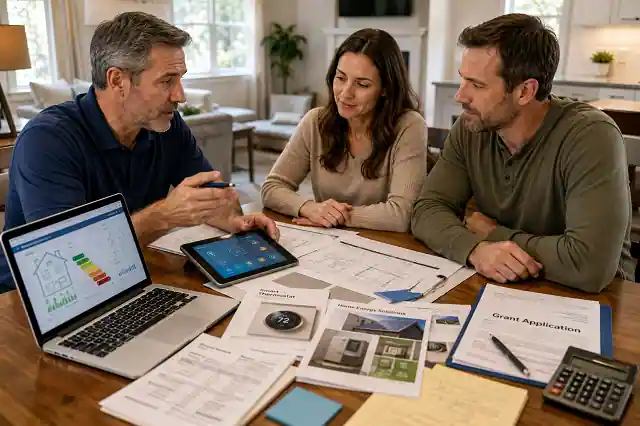
Applying for smart home upgrade grants is easier when you prepare in advance. Most homeowners who receive funding begin by identifying every available federal, state, utility, and local assistance program before requesting contractor estimates. Completing these steps in the proper order can improve your chances of approval while maximizing the financial assistance available for your project.
Step-by-Step Application Process
| Step | What to Do |
| 1 | Research available federal, state, and local programs. |
| 2 | Confirm eligibility requirements and income limits. |
| 3 | Collect required financial and property documents. |
| 4 | Request detailed contractor estimates. |
| 5 | Submit complete applications before purchasing equipment. |
| 6 | Wait for written approval if required. |
| 7 | Complete installation and retain all receipts and certifications. |
Documents You’ll Need Before Applying
Although every program has different requirements, most grant administrators request similar documentation. Preparing these records before starting your application helps prevent delays and reduces the likelihood of additional information requests.
| Required Document | Reason |
| Government-issued photo ID | Identity verification |
| Proof of homeownership | Property eligibility |
| Recent utility bills | Energy usage review |
| Income documentation | Financial qualification |
| Property tax records | Ownership confirmation |
| Contractor estimates | Project cost verification |
| Product specifications | Confirm eligible equipment |
Homeowners planning broader renovations may also qualify for additional repair assistance through home repair grants for low-income homeowners, while senior applicants should compare available assistance through home repair grants for seniors before submitting applications.
- ✔ Verify eligibility requirements.
- ✔ Gather income documentation.
- ✔ Obtain at least two contractor estimates.
- ✔ Select qualifying smart home products.
- ✔ Confirm rebate deadlines.
- ✔ Keep invoices and receipts.
- ✔ Save manufacturer certifications.
How Long Does Approval Take?
Approval times vary depending on the funding source. Utility rebates may be processed within a few weeks, while federal grants and housing rehabilitation programs can take several months because they often require income verification, property inspections, and contractor approval.
| Funding Source | Typical Timeline |
| Utility rebate | 2–8 weeks |
| State energy rebate | 1–3 months |
| Local housing program | 2–6 months |
| USDA or federal repair program | Several months |
| Federal tax credit | Claimed when filing taxes |
Veterans completing larger modernization projects should also review home repair grants for disabled veterans and home improvement grants for veterans to determine whether multiple renovation expenses can be addressed through the same project.
Tips to Improve Your Chances of Approval
Grant administrators look for complete applications, realistic project budgets, and improvements that clearly support energy efficiency, safety, accessibility, or essential home repairs. Preparing a well-documented application can improve approval chances significantly.
- Apply as early as possible because many programs have limited annual funding.
- Use licensed contractors when required.
- Select ENERGY STAR® certified products whenever applicable.
- Include photographs of existing conditions.
- Submit complete documentation with your initial application.
- Respond promptly to requests for additional information.
Homeowners replacing aging windows or repairing roofs before installing smart home technology should compare available assistance through home window replacement grant programs, window replacement assistance for veterans, and roof replacement grants for senior homeowners when planning comprehensive home improvements.
Frequently Asked Questions (FAQs)
1. Is there a federal smart home grant available in 2026?
There is no single nationwide federal smart home grant. However, homeowners may qualify for financial assistance through the DOE Home Energy Rebates Program, USDA Section 504 Repair Program, Weatherization Assistance Program (WAP), HUD-supported housing rehabilitation programs, federal tax credits, state energy offices, and utility rebate programs.
2. What smart home improvements qualify for financial assistance?
Eligible improvements vary by program but commonly include smart thermostats, home energy management systems, smart electrical panels, leak detection devices, connected HVAC controls, smart smoke detectors, accessibility technologies, EV chargers, and energy-efficient automation equipment installed as part of qualifying projects.
3. Can I combine multiple grants and rebates?
Yes. Many homeowners reduce their out-of-pocket costs by combining utility rebates, state incentive programs, local housing grants, federal tax credits, and eligible rehabilitation assistance. Always verify that each program allows incentive stacking before beginning your project.
4. Do I need to meet income requirements?
Some grants are income-based, particularly programs serving low-income households, seniors, and rural homeowners. Other incentives, including many utility rebates and certain federal tax credits, may be available regardless of household income.
5. How much financial assistance can homeowners receive?
Funding varies by program. Eligible homeowners may receive DOE rebates, USDA Section 504 grants of up to $10,000, USDA Section 504 loans of up to $40,000, utility rebates, state incentives, and other assistance available under current program rules. Federal tax benefits should be checked directly with the IRS because eligibility depends on the current law and the project date.
6. Can smart home devices increase my home’s value?
Modern smart home technology can improve energy efficiency, convenience, security, and accessibility. While market conditions vary, many buyers view professionally installed smart home systems as desirable features that may enhance overall property appeal.
7. Where should I start?
Begin by checking your State Energy Office, local utility company, USDA Rural Development office, HUD-approved housing agency, and official DOE rebate information. Comparing every available funding source before purchasing equipment usually produces the greatest savings.
Expert Recommendations Before You Apply
- Prioritize energy-efficient smart upgrades that deliver measurable savings.
- Request at least three contractor estimates before selecting a vendor.
- Choose ENERGY STAR® certified equipment whenever applicable.
- Apply for grants and rebates before purchasing equipment.
- Maintain copies of invoices, receipts, permits, and manufacturer certifications.
- Check both state and utility rebate programs because new funding may become available throughout the year.
- Review official program requirements regularly since funding rules and rebate amounts may change.
Why You Can Trust This Guide
Last Updated: August 2026
Reviewed By: HomePropertyGrants.com Research & Editorial Team
- This guide is based on publicly available information from the U.S. Department of Energy (DOE), USDA Rural Development, HUD housing programs, the Internal Revenue Service (IRS), ENERGY STAR®, and State Energy Offices.
- Grant amounts, eligibility requirements, and rebate availability are reviewed regularly to reflect current 2026 guidance whenever official updates become available.
- Program availability varies by state, county, utility company, funding availability, and household eligibility.
- Homeowners should always verify current requirements with the administering agency before signing contracts or purchasing equipment.
- This article is intended for educational purposes and should not be considered legal, tax, or financial advice.
Key Takeaways
- There is no single nationwide smart home grant, but multiple federal, state, utility, and local funding programs are available.
- Smart thermostats, energy management systems, smart electrical panels, accessibility technology, leak detection systems, and connected safety devices may qualify under eligible programs.
- Many homeowners maximize savings by combining grants, rebates, and federal tax credits.
- Applying early improves your chances because many programs operate with limited annual funding.
- Maintaining complete documentation helps speed application review and approval.
- Comparing every available funding source before beginning work can significantly reduce total project costs.
Conclusion
Smart home technology continues to play an increasingly important role in improving energy efficiency, household safety, accessibility, and long-term affordability. Although finding financial assistance may seem challenging, homeowners who understand how federal grants, state rebates, utility incentives, tax credits, and local housing programs work together often discover far more funding opportunities than expected.
By researching available programs, confirming eligibility requirements, preparing complete documentation, and applying before beginning your project, you can maximize your chances of receiving financial assistance while reducing the overall cost of smart home upgrades.
Whether you’re installing a smart thermostat, upgrading your electrical panel, improving home security, adding accessibility technology, or modernizing your home’s energy management system, taking time to compare every available funding source can help you complete your project more affordably in 2026.