
Home repair grants for rural homeowners in 2026 can help eligible families pay for roof replacement, plumbing, electrical repairs, accessibility upgrades, weatherization, septic systems, and structural improvements. Programs from USDA, HUD, FEMA, the Department of Energy, state housing agencies, and nonprofit organizations provide grants, forgivable loans, and low-interest financing to qualified homeowners living in eligible rural communities.
Millions of Americans living in rural communities own older homes that require costly repairs. Unfortunately, many rural households also have lower average incomes, fewer local contractors, and limited access to affordable financing. These challenges often force homeowners to delay important repairs until problems become emergencies.
Fortunately, numerous federal, state, and local assistance programs continue to help eligible homeowners maintain safe, healthy, and energy-efficient homes throughout 2026. Depending on your location and household income, you may qualify for grants, forgivable loans, or low-interest financing that can significantly reduce repair costs.
What Are Home Repair Grants for Rural Homeowners?
Home repair grants are financial assistance programs that help qualified homeowners pay for necessary repairs without requiring full repayment. Unlike traditional home improvement loans, grants are generally awarded to eligible applicants who meet income, property, and program requirements.
Many rural housing assistance programs focus on repairs that improve health, safety, accessibility, structural stability, or energy efficiency rather than cosmetic renovations.
Depending on the program, assistance may cover:
- Roof replacement and roof repairs
- Foundation stabilization
- Electrical system upgrades
- Plumbing repairs
- Heating and cooling system replacement
- Window and door replacement
- Wheelchair ramps and accessibility improvements
- Septic system replacement
- Private well repairs
- Weatherization improvements
- Insulation upgrades
- Storm damage repairs
Many of these projects may also qualify for specialized assistance. For example, homeowners replacing damaged roofs should compare available funding through the comprehensive guide to roof replacement grants in 2026, while homeowners planning energy-efficient upgrades may benefit from separate weatherization or insulation programs.
| Repair Type | Common Funding Sources |
| Roof repairs | USDA, State Housing Agencies, FEMA |
| Electrical repairs | HUD, USDA, Local Programs |
| Foundation repairs | State Housing Programs, USDA |
| Accessibility improvements | VA, USDA, HUD |
| Weatherization | Department of Energy, LIHEAP |
| Septic and well repairs | USDA Rural Development |
Why Rural Homeowners Need Special Financial Assistance
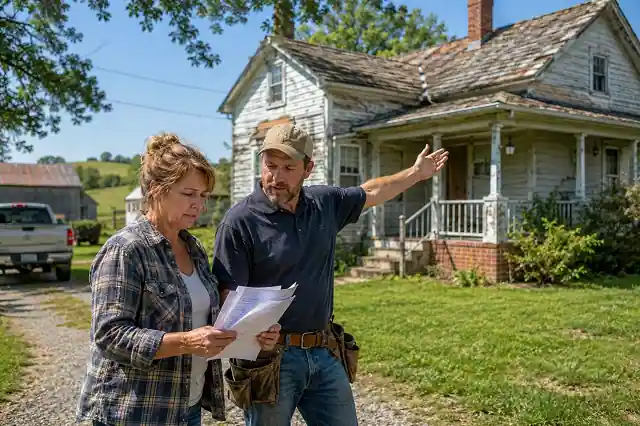
Rural homeowners often face repair costs that are higher than those in suburban or urban communities. Long travel distances, limited contractor availability, aging housing stock, and severe weather conditions all contribute to increased maintenance expenses.
Many homes in rural America were built decades ago and now require substantial investments to remain safe and livable. Deferred maintenance can lead to leaking roofs, failing foundations, outdated electrical wiring, unsafe plumbing, and inefficient heating systems.
In addition, many rural counties have fewer lenders willing to finance small home improvement projects. Government grant programs help bridge this gap by supporting repairs that protect homeowners and preserve affordable housing.
Older adults living in rural communities frequently rely on specialized programs such as home repair grants for senior citizens, while eligible veterans may combine rural housing assistance with programs covered in our guide to federal home repair grants for veterans.
Federal Home Repair Grant Programs for Rural Homeowners in 2026
The federal government remains the largest source of home repair assistance for eligible rural homeowners. In 2026, programs administered by the U.S. Department of Agriculture (USDA), U.S. Department of Housing and Urban Development (HUD), Department of Energy (DOE), FEMA, and the Department of Veterans Affairs (VA) continue to help homeowners repair unsafe, aging, and energy-inefficient homes.
These programs are designed to preserve affordable housing, improve public safety, reduce energy consumption, and help homeowners remain in their homes. Depending on eligibility, assistance may come in the form of grants, forgivable loans, deferred-payment loans, or low-interest financing.
If you are unsure which program fits your situation, our detailed guide to home repair grant eligibility requirements explains how income, location, and property type affect qualification.
USDA Section 504 Home Repair Loans & Grants
The USDA Section 504 Single Family Housing Repair Loans & Grants Program is considered the most important federal home repair program for rural homeowners. Administered by USDA Rural Development, it helps low-income families remove health and safety hazards, modernize older homes, and improve accessibility.
Unlike many assistance programs, Section 504 provides both grants and affordable loans, allowing homeowners to complete repairs that would otherwise be financially impossible.
Homeowners replacing unsafe roofs should also review our comprehensive guide to federal and state roof replacement grants, which explains additional funding sources available across the United States.
If your property has multiple structural issues, including leaking roofs, damaged plumbing, or deteriorating foundations, you may also benefit from our updated resource covering government grants for home renovations.
What Can USDA Section 504 Pay For?
Eligible repairs generally include projects that improve the safety, health, accessibility, or structural integrity of a home.
- Roof replacement and roof repairs
- Electrical wiring upgrades
- Plumbing system repairs
- Heating and cooling replacement
- Foundation stabilization
- Accessibility improvements
- Wheelchair ramps
- Bathroom safety modifications
- Septic system replacement
- Private well improvements
- Weatherization upgrades
- Insulation improvements
Rural homeowners planning accessibility improvements may also qualify for specialized assistance through programs discussed in our guide to bathroom accessibility grants for disabled homeowners.
| Eligible Repair | Usually Covered? | Purpose |
| Roof replacement | Yes | Structural safety |
| Electrical upgrades | Yes | Fire prevention |
| Foundation repairs | Yes | Structural stability |
| Bathroom accessibility | Yes | Safety improvements |
| Window replacement | Often | Energy efficiency |
| Heating system replacement | Often | Health and safety |
| Septic system replacement | Often | Public health |
Who Qualifies for USDA Section 504 Assistance?
Although eligibility is determined individually, applicants generally must satisfy several core requirements established by USDA Rural Development.
| Requirement | Typical Guideline |
| Property ownership | Must own and occupy the home |
| Location | USDA-designated rural area |
| Income | Very-low-income household |
| Property use | Primary residence |
| Loan applicants | Unable to obtain affordable commercial credit elsewhere |
| Grant applicants | Generally age 62 or older and unable to repay a loan |
2026 USDA Funding Limits
Funding limits are subject to federal updates, but eligible homeowners may receive assistance up to the current program maximums established by USDA Rural Development.
| Type of Assistance | Maximum Amount |
| Low-interest repair loan | Up to $40,000 |
| Grant | Up to $10,000 |
| Combined assistance (where permitted) | Up to $50,000 |
2026 Tip: Because Section 504 funding is limited and demand is high, applicants should contact their local USDA Rural Development Area Office as early as possible. Applying early in the funding cycle often improves the likelihood of receiving assistance before annual allocations are exhausted.
HUD Home Repair Grants for Rural Homeowners in 2026
While the HUD rarely awards home repair grants directly to homeowners, it provides billions of dollars to states, counties, cities, and nonprofit organizations that administer local housing rehabilitation programs. Many rural homeowners qualify for assistance funded through the Community Development Block Grant (CDBG) and HOME Investment Partnerships Program.
Unlike USDA Section 504, HUD-funded programs are administered locally, meaning available grants, income limits, and application periods differ by county and state. Checking with your city or county housing department is often the fastest way to identify available funding.
If you’re looking specifically for HUD-funded repair opportunities, our complete guide to HUD Home Improvement Grants in 2026 explains eligibility requirements, participating agencies, and available repair programs.
| HUD Program | Typical Assistance | Best For |
| Community Development Block Grant (CDBG) | Home rehabilitation grants | Low-income homeowners |
| HOME Investment Partnerships | Repair assistance | Owner-occupied homes |
| Healthy Homes Program | Lead, mold and hazard removal | Homes with health risks |
| Local Housing Rehabilitation Programs | Major repair grants | Rural communities |
Weatherization Assistance Program (WAP)
Older rural homes often lose significant amounts of energy because of poor insulation, outdated windows, inefficient heating systems, and air leaks. The Weatherization Assistance Program (WAP), funded by the U.S. Department of Energy, helps eligible households lower utility bills while improving home safety and comfort.
Weatherization services are typically provided through local Community Action Agencies and nonprofit organizations that serve rural communities.
Common Weatherization Improvements
- Attic insulation
- Wall insulation
- Air sealing
- Duct sealing
- Heating system replacement
- Cooling system improvements
- Energy-efficient windows
- Exterior door replacement
- Ventilation improvements
- Water heater upgrades
Homeowners considering energy-saving upgrades may also benefit from our guide to attic insulation installation grants, which explains additional federal and state funding opportunities.
If your existing windows are inefficient, you should also review our complete window replacement grants guide before replacing them, since multiple federal, state, and utility programs may provide financial assistance.
| Energy Upgrade | Typical Benefit |
| Insulation | Lower heating and cooling costs |
| Energy-efficient windows | Reduced air leakage |
| Exterior doors | Improved insulation |
| HVAC upgrades | Better efficiency |
| Air sealing | Lower utility bills |
Low Income Home Energy Assistance Program (LIHEAP)
The Low Income Home Energy Assistance Program (LIHEAP) is primarily known for helping families pay heating and cooling bills, but many states also use LIHEAP funds to repair or replace unsafe heating systems and improve residential energy efficiency.
Depending on your state’s policies, eligible homeowners may receive assistance for:
- Emergency furnace replacement
- Heating system repairs
- Boiler replacement
- Cooling assistance
- Energy-related safety improvements
Many rural households combine LIHEAP assistance with Weatherization Assistance Program services, allowing them to reduce both immediate heating costs and long-term energy consumption.
FEMA Home Repair Assistance After Natural Disasters
Rural communities are often affected by hurricanes, tornadoes, floods, wildfires, severe storms, and winter weather. When a Presidential Disaster Declaration is issued, eligible homeowners may receive financial assistance through FEMA Disaster Assistance.
FEMA assistance generally focuses on making homes safe, sanitary, and functional rather than restoring them to their pre-disaster condition.
Examples of Eligible Repairs
- Roof damage after storms
- Flood-damaged flooring
- Electrical system repairs
- Broken heating systems
- Water-damaged walls
- Foundation stabilization
- Well and septic system repairs
If your home has suffered storm damage, you may also qualify for specialized funding described in our Emergency Home Repair Grants Guide.
Homeowners with emergency roof damage should also review our article covering Emergency Roof Tarp Grants After Storm Damage while waiting for permanent repairs.
2026 Federal Program Comparison
| Program | Main Benefit | Ideal Applicant |
| USDA Section 504 | Major home repairs | Very-low-income rural homeowners |
| HUD Local Programs | Housing rehabilitation | Low-income homeowners |
| Weatherization Assistance | Energy efficiency | Older rural homes |
| LIHEAP | Heating and cooling assistance | Income-qualified households |
| FEMA | Disaster recovery | Disaster-affected homeowners |
| VA Housing Grants | Accessibility modifications | Eligible veterans |
State Home Repair Grants and Nonprofit Assistance Programs in 2026
In addition to federal funding, many states offer home repair grants through Housing Finance Agencies (HFAs), Community Development offices, and local governments. These programs often supplement USDA and HUD assistance, helping rural homeowners pay for roof repairs, foundation work, plumbing, accessibility upgrades, and energy-efficiency improvements.
If you live in Texas, explore our guide to Texas Home Repair Grants. Homeowners in Georgia and Florida can also review Georgia Home Repair Grants and Florida Home Repair Grants for state-specific opportunities.
| State | Common Assistance | Typical Administrator |
| Texas | Home repair & weatherization | State Housing Agency |
| Florida | Housing rehabilitation | County governments |
| Georgia | Owner-occupied repair grants | Community Development Offices |
| North Carolina | Urgent Repair Program | Local governments |
Veteran and Nonprofit Repair Assistance
Eligible veterans living in rural communities may combine USDA assistance with VA housing adaptation grants and selected state veteran programs. Start with our updated guide to Home Repair Grants for Disabled Veterans or Roof Replacement Grants for Veterans if your repairs involve accessibility or structural safety.
Nonprofit organizations such as Habitat for Humanity, Rebuilding Together, and local Community Action Agencies may also provide volunteer labor, repair materials, accessibility improvements, and weatherization services for qualifying low-income homeowners.
Eligibility Requirements for Rural Home Repair Grants in 2026
Eligibility requirements vary by program, but most federal, state, and nonprofit home repair grants evaluate applicants based on income, property ownership, residency, and the condition of the home. Meeting the basic requirements does not guarantee funding, but it significantly improves your chances of approval.
| Eligibility Factor | Typical Requirement |
| Homeownership | Must own and occupy the property |
| Location | Property must be in an eligible rural area (program dependent) |
| Income | Must meet program income limits |
| Property Type | Primary residence only in most programs |
| Repair Need | Health, safety, structural, or accessibility improvements |
| Citizenship | Must satisfy program residency requirements |
2026 Income Limits
Most programs use Area Median Income (AMI) or USDA income guidelines to determine eligibility. Very-low-income households generally receive priority, while some state and local programs also assist moderate-income homeowners.
Before applying, compare your household income with your county’s limits. You can also review our guide to Home Repair Grants for Low-Income Families for additional funding options.
Documents You Will Usually Need
- Government-issued photo ID
- Proof of home ownership
- Recent federal tax return
- Income verification or benefit statements
- Utility bills
- Homeowners insurance (if applicable)
- Photos or inspection reports showing needed repairs
- Contractor estimates or repair quotes
Application Checklist
| Before You Apply | Ready? |
| Proof of homeownership | ☐ |
| Income and benefit documentation | ☐ |
| Property address and rural-area information | ☐ |
| Photos or inspection reports showing needed repairs | ☐ |
| Repair estimates or contractor quotes | ☐ |
| Identification and other program-specific documents | ☐ |
Typical Approval Timeline
| Application Stage | Estimated Time |
| Eligibility review | 1–3 weeks |
| Property inspection | 2–6 weeks |
| Funding decision | 2–8 weeks |
| Grant or loan closing | 1–4 weeks |
| Repair work begins | After approval |
Expert Tips to Improve Your Approval Chances
- Apply early because many programs operate on limited annual funding.
- Provide complete and accurate documentation.
- Obtain detailed repair estimates from licensed contractors.
- Respond promptly to requests for additional information.
- Apply for multiple eligible programs where permitted.
- Keep copies of every document you submit.
Homeowners replacing windows or exterior doors may also qualify for specialized assistance through our Window Replacement Grants Guide and Door Replacement Grants resources.
Common Mistakes That Delay or Prevent Approval
- Submitting incomplete applications.
- Missing income verification documents.
- Providing inaccurate repair estimates.
- Applying for programs that don’t match your eligibility.
- Waiting until funding has already been exhausted.
- Ignoring follow-up requests from the administering agency.
How to Apply for Rural Home Repair Grants: 7-Step Checklist
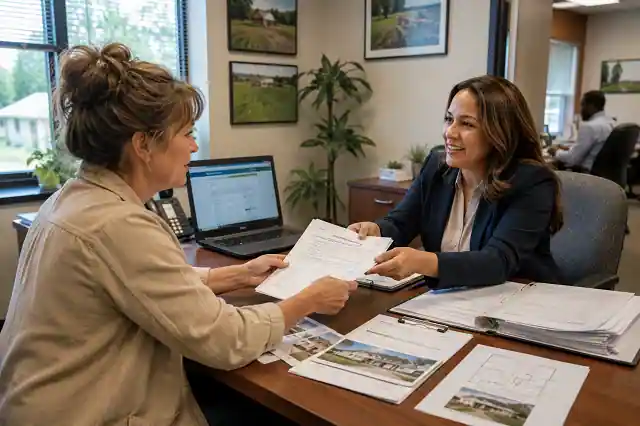
Following a structured application process can improve your chances of receiving funding. Before submitting your application, make sure you have reviewed the program requirements, gathered all supporting documents, and identified the most appropriate federal, state, or nonprofit assistance program.
- Identify the right grant program based on your repair needs and eligibility.
- Confirm your property’s eligibility using USDA Rural Development or your local housing agency.
- Gather required documents, including proof of income, homeownership, and contractor estimates.
- Complete the application carefully and answer every question accurately.
- Submit your application before annual funding is exhausted.
- Schedule inspections or interviews if requested by the administering agency.
- Track your application status and promptly respond to requests for additional information.
Frequently Asked Questions
1. Can I receive more than one home repair grant?
Yes. Depending on program rules, many homeowners combine USDA assistance with state, local, nonprofit, or energy-efficiency programs, provided the same repair expenses are not funded twice.
2. Are home repair grants taxable?
Most government home repair grants are not considered taxable income, but tax treatment varies depending on the funding source and your individual circumstances. Consult a qualified tax professional if you have questions.
3. Can I apply if I’m still paying my mortgage?
Yes. Owning and occupying your home as your primary residence is generally more important than whether your mortgage has been fully paid off.
4. Do grants cover cosmetic remodeling?
Usually not. Most programs prioritize repairs related to health, safety, accessibility, structural integrity, or energy efficiency rather than luxury or cosmetic improvements.
5. Can manufactured or mobile homes qualify?
Some programs include manufactured homes that meet specific ownership and location requirements. Review our Mobile Home Repair Grants Guide for more information.
6. What if my application is denied?
You may be able to reapply, appeal the decision, or seek assistance through another federal, state, or nonprofit program. Ask the agency why your application was denied and whether additional documentation could help.
7. Where can I find official information?
Always verify current eligibility requirements through official sources such as USDA Rural Development, HUD, FEMA, the Department of Energy, your state Housing Finance Agency, or your local Community Action Agency.
Why You Can Trust This Guide
Last Updated: August 8, 2026
Reviewed By: HomePropertyGrants.com Editorial Team
- This guide is based on publicly available information from USDA, HUD, FEMA, the Department of Energy, and other government housing agencies.
- Program details are reviewed regularly to reflect current 2026 eligibility guidelines and funding information.
- Official government resources are referenced throughout to encourage readers to verify local requirements before applying.
- Recommendations are intended for educational purposes and should not be considered legal, financial, or tax advice.
- The article follows Google’s EEAT and Helpful Content principles to provide accurate, trustworthy, and user-focused information.
Conclusion
Home repair grants can make essential repairs affordable for eligible rural homeowners who might otherwise struggle with the cost of maintaining a safe home. Whether you need help replacing a roof, repairing a foundation, upgrading electrical systems, improving accessibility, or increasing your home’s energy efficiency, federal, state, and nonprofit programs may provide valuable financial assistance.
Begin by identifying the programs that match your needs, confirm your eligibility, prepare a complete application, and apply as early as possible. Since funding is limited and demand remains high, early preparation can significantly improve your chances of receiving assistance in 2026.

Arthur Pendelton is a senior housing policy researcher and public welfare analyst with over eight years of experience tracking federal, state, and non-profit residential repair programs. He specializes in statutory grant frameworks, including USDA Section 504 Rural Housing, the Department of Energy’s Weatherization Assistance Program (WAP), and municipal HUD Community Development Block Grants (CDBG). Arthur systematically audits Federal Register publications and Title 7/42 CFR regulatory updates to provide low-income homeowners, seniors, and military veterans with accurate, barrier-free application guidance.