
Low-income homeowners have several practical ways to explore funding for window repair and replacement in 2026. Depending on household income, homeownership, location, property type, and the reason the windows need work, potential pathways include weatherization programs, USDA rural housing programs, HUD-funded local rehabilitation, state and local housing programs, utility incentives, nonprofit programs, and specialized benefits for qualifying homeowners.
This resource brings those options together so you can identify the funding pathway that best matches your home and project. Instead of looking for one universal window grant, you can compare programs by income, location, household circumstances, window condition, energy needs, and the organization that actually administers the funding.
The most useful starting point is to identify why the windows need replacement, who the program is designed to serve, and which agency handles applications. That approach makes it easier to move from a general search for window replacement grants to a specific program that fits your situation.
Quick answer: Low-income homeowners may find window-related funding through weatherization, USDA rural housing programs, HUD-funded rehabilitation, state and local housing programs, utility incentives, nonprofit programs, and other qualifying resources. The right option depends on household eligibility, property location, the reason for the window project, and the rules of the program providing the funding.
What Are Low-Income Window Replacement Grants?
Low-income window replacement grants are funding opportunities or grant-funded services that can help eligible homeowners repair or replace qualifying windows. The funding may come from federal, state, local, utility, or nonprofit sources.
The word “grant” can describe different arrangements. Some programs provide grant funds, while others use government funding to pay for approved services through a participating agency or contractor. A homeowner may therefore receive the completed improvement rather than a cash payment.
Other programs found during a window-funding search may be rebates, loans, tax incentives, or other forms of funding. Understanding the difference is important when comparing programs and planning the project.
| Funding type | How it works | What to check |
| Grant | Funding that generally does not require repayment when program conditions are satisfied. | Eligibility, eligible work, award rules, and repayment conditions. |
| Grant-funded service | An agency or approved provider completes qualifying work using program funds. | Service area, assessment, eligible measures, and contractor requirements. |
| Rebate | A homeowner receives a payment or credit after completing an eligible improvement. | Product requirements, installation rules, deadlines, and documentation. |
| Loan | Borrowed money is used to finance an eligible repair or improvement. | Interest rate, repayment period, collateral, and eligibility. |
| Tax incentive | A qualifying taxpayer may receive a tax benefit under applicable law. | Current tax rules, qualifying property, dates, and documentation. |
When windows are part of a larger repair project, a broader resource such as home repair grants can help you compare funding categories beyond window-specific programs.
Who Can Qualify for Low-Income Window Replacement Funding?
Eligibility depends on the individual program. Household income is especially important for programs designed for low-income homeowners, but other factors can determine which funding pathway is appropriate.
Programs may consider household size, income, homeownership, occupancy, property location, property type, age, disability, Veteran status, rural eligibility, energy needs, health and safety conditions, and the reason for the proposed work.
| Homeowner situation | Programs to investigate | Main eligibility factor |
| Low-income homeowner | Weatherization, local rehabilitation, state programs, utility programs | Household income and property eligibility |
| Low-income senior | USDA Section 504, weatherization, local repair programs | Age, income, location, and eligible repair need |
| Low-income disabled homeowner | Weatherization, accessibility, local rehabilitation, VA programs where applicable | Disability-related need and program purpose |
| Low-income Veteran | Weatherization, USDA, local rehabilitation, VA programs where applicable | Income plus program-specific Veteran or disability requirements |
| Low-income rural homeowner | USDA programs, weatherization, local rural housing programs | Rural address and household eligibility |
| Manufactured-home owner | Weatherization and programs that permit manufactured housing | Property-type requirements |
Low-Income Homeowners
Low-income homeowners are an important audience for weatherization and housing rehabilitation programs. Income limits can differ between programs, so it is useful to review the household, ownership, property, and geographic factors explained in home repair grant eligibility requirements before choosing a funding pathway.
A homeowner should use the actual income standard published by the program rather than relying on a general definition of low income.
Low-Income Seniors
Senior homeowners may have additional opportunities when age is part of a program’s eligibility framework. USDA Section 504 is particularly relevant to qualifying elderly very-low-income rural homeowners who need eligible health and safety repairs. Homeowners comparing the window-specific options can also use the site’s senior window replacement grants resource to explore age-specific pathways.
Low-Income Homeowners With Disabilities
A disability may affect which housing program is most relevant, particularly when the window project involves accessibility, safety, energy efficiency, or another qualifying housing need. Homeowners can compare the broader disability-focused options in window replacement grants for disabled homeowners while checking the requirements of the specific program they intend to use.
Low-Income Veterans
Veterans can investigate general low-income programs alongside Veteran-specific housing benefits. A Veteran whose primary qualification is household income may find weatherization or local rehabilitation more relevant, while a qualifying service-connected disability may open a different VA pathway. The site’s Veteran window replacement grants resource focuses specifically on those Veteran-related options.
Low-Income Rural Homeowners
Rural homeowners should check USDA Rural Development programs in addition to weatherization and local housing programs. Rural eligibility can be address-specific, so homeowners should verify the property before assuming that a rural program applies. This is particularly important when considering USDA Section 504 or other rural housing programs.
Manufactured-Home Owners
Manufactured-home owners should confirm that the program accepts their type of property before preparing a project. Ownership, installation, foundation, occupancy, and property classification can affect eligibility. If you live in a manufactured or mobile home, mobile home window replacement grants can help you investigate property-specific funding pathways.
Best Window Replacement Programs to Check in 2026
The strongest starting point depends on the reason for the window project. For many low-income households, weatherization deserves early attention, while rural homeowners, homeowners in participating communities, and qualifying Veterans may have additional pathways.
| Program | Best fit | How windows may fit | Where to start |
| Weatherization Assistance Program | Eligible low-income households | Windows may be evaluated as part of an eligible weatherization project. | State or local weatherization provider |
| USDA Section 504 | Qualifying rural homeowners | Window work may fit when connected to an eligible repair need. | USDA Rural Development |
| HUD CDBG-funded rehabilitation | Eligible homeowners in participating communities | Local rehabilitation programs may include qualifying window work. | City, county, or participating jurisdiction |
| HUD HOME-funded rehabilitation | Eligible housing rehabilitation activities | Participating jurisdictions may use HOME funds for qualifying rehabilitation. | State or local housing agency |
| VA housing grants | Veterans and service members with qualifying disabilities | Window-related modifications may fit an approved disability-related adaptation. | U.S. Department of Veterans Affairs |
| State and local programs | Homeowners meeting local requirements | May support repair, rehabilitation, preservation, or energy-efficiency work. | State, county, or city housing agency |
| Utility incentives | Eligible utility customers | May reduce the cost of qualifying energy-efficient windows. | Utility or energy provider |
Weatherization Assistance Program
The U.S. Department of Energy Weatherization Assistance Program (WAP) helps eligible low-income households improve residential energy efficiency while addressing applicable health and safety concerns.
WAP operates through states and local weatherization providers. The homeowner’s home is assessed and the participating provider determines which approved measures are appropriate.
WAP by the numbers
- More than 7.2 million families have benefited since the program began.
- Approximately 32,000 homes receive weatherization services each year using DOE funds.
- The program supports approximately 8,500 jobs.
- A national evaluation cited by DOE reports average annual household energy savings of $372 or more.
These figures describe the overall WAP program. They do not represent a guaranteed cash payment or a guaranteed number of replacement windows for an individual homeowner.
For application information, the U.S. Department of Energy explains how homeowners can locate their state or local weatherization provider through its official How to Apply information.
USDA Section 504 Home Repair Grants
The U.S. Department of Agriculture Single Family Housing Repair Loans and Grants program (Section 504) provides loans to eligible low- and very-low-income rural homeowners and grants to qualifying elderly homeowners for removing health and safety hazards.
| Section 504 feature | Current official information |
| Maximum loan | $40,000 |
| Maximum grant | $10,000 |
| Grant age requirement | Generally age 62 or older |
| Grant purpose | Removal of health and safety hazards |
| Property | Eligible rural property |
| Application timing | Applications are accepted through local USDA Rural Development offices year-round |
USDA states that loans can be used to repair, improve, or modernize eligible homes, while grants are intended to remove health and safety hazards. Therefore, homeowners should connect a proposed window project to the actual eligible repair need rather than treating Section 504 as an automatic window grant.
Section 504 funding distinction: The $10,000 figure is the program’s maximum regular grant, not a guaranteed window replacement award. Eligibility, the approved repair, property requirements, and available funding determine the actual benefit.
HUD-Funded Home Rehabilitation
The U.S. Department of Housing and Urban Development Community Development Block Grant Program (CDBG) provides funding to eligible states and local governments for qualifying community development activities.
HUD’s homeowner rehabilitation guidance identifies rehabilitation of owner-occupied units as an eligible CDBG activity and notes that states and local governments can design rehabilitation programs around local needs. Energy-efficiency rehabilitation can also include improvements such as windows and doors under applicable program rules.
For a homeowner, this usually means contacting the city, county, or other participating jurisdiction rather than looking for a single nationwide HUD window application.
HUD HOME-Funded Rehabilitation
The U.S. Department of Housing and Urban Development HOME Investment Partnerships Program (HOME) provides funding to states and localities for eligible affordable housing activities, including rehabilitation.
Because HOME funds are administered through participating jurisdictions, homeowners should contact their local or state housing agency to ask whether an owner-occupied rehabilitation program is currently available and whether window work is an eligible expense.
VA Housing Grants
The U.S. Department of Veterans Affairs provides disability housing grants to eligible Veterans and service members with qualifying service-connected disabilities. The VA explains that these grants can help eligible recipients buy, build, or modify a permanent home to meet disability-related needs.
For FY2026, the maximum Specially Adapted Housing grant is $126,526 and the maximum Special Home Adaptation grant is $25,350. These are overall program maximums rather than guaranteed window replacement amounts.
Eligible Veterans can review the official VA housing-grant information through VA disability housing grants and use the official application process when the program requirements are satisfied.
Important distinction: VA disability housing grants are not general-purpose replacement-window grants. Window-related work must fit the applicable disability-related housing adaptation requirements.
Best Program for Your Situation
The best place to start depends on the reason for the window project, your household circumstances, and your property.
| Your situation | Best starting point | Why |
| Low income and high energy costs | Weatherization Assistance Program | The program focuses on improving energy efficiency for eligible low-income households. |
| Age 62+, very-low income, rural homeowner | USDA Section 504 | The grant component can address qualifying health and safety hazards. |
| Window problem is part of several home repairs | Local rehabilitation program | A broader housing rehabilitation program may fit several eligible repairs together. |
| Qualifying service-connected disability | VA housing programs | Disability-related housing adaptations may qualify under VA requirements. |
| Manufactured or mobile home | Property-specific programs | Property-type rules should be checked before applying. |
| Energy-efficient windows are the main goal | Weatherization and utility programs | These programs may focus specifically on energy performance. |
| Window damage resulted from a qualifying disaster | Disaster recovery programs | Disaster-related funding follows separate damage and eligibility rules. |
If the project involves several home improvements rather than windows alone, low-income home improvement grants can help you compare broader funding categories.
How to Find Window Replacement Grants in Your State
Federal funding is often delivered through state, county, city, tribal, utility, nonprofit, or community organizations. That makes the local administrator just as important as the federal program name.
Homeowners can start with their state housing agency and then check the county or city housing department for owner-occupied rehabilitation programs. A broader search through state home repair grants can help identify the types of state-level programs worth investigating before you contact the appropriate agency.
| Where to look | What to ask about |
| State housing agency | Owner-occupied rehabilitation and home repair programs |
| State energy office | Weatherization and energy-efficiency programs |
| County housing department | Housing rehabilitation and critical repair programs |
| City community development office | CDBG- or HOME-funded rehabilitation |
| Community Action Agency | Weatherization and energy-efficiency services |
| Utility provider | Current energy-efficiency rebates or incentives |
| Local nonprofit | Home repair services, grants, materials, or referrals |
Smart search strategy: Search your state, county, or city together with terms such as “window replacement grants,” “weatherization,” “home repair grants,” “housing rehabilitation,” “energy efficiency,” and “owner-occupied rehabilitation.” Then verify the opportunity on the official agency or program website.
What Window Problems May Support a Funding Request?
The reason for the window project can be important when a program evaluates eligibility. A window may be relevant because of energy loss, health and safety concerns, deterioration, water intrusion, accessibility needs, or disaster damage.
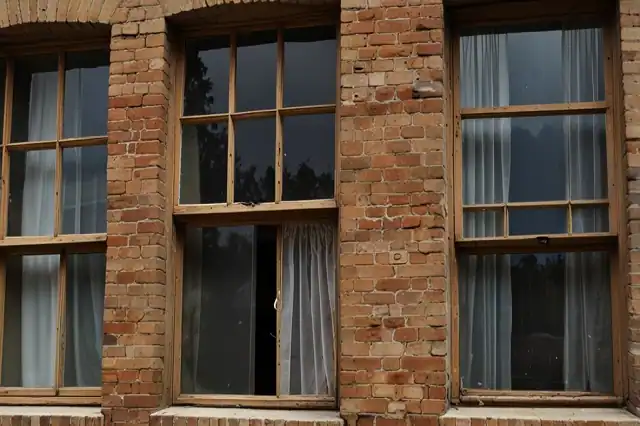
Examples can include significant air leakage, broken glass, deteriorated frames, failed seals, water intrusion, windows that cannot close correctly, or other documented conditions. Homeowners dealing with deteriorated frames can compare window frame rot repair grants, while homeowners experiencing condensation between panes can use the information about foggy double-pane window replacement grants to understand how that type of condition may be documented.
Homeowners with older wooden windows can also investigate wooden window replacement grants when the material and condition of the existing windows are relevant to the project.
Documentation tip: Photograph the windows before removing them and describe the actual condition. Keep estimates, inspection reports, and other records that explain why the proposed work is needed.
Energy-Efficient Window Funding
Energy efficiency is one of the most important reasons to investigate window-related funding, especially when the project is part of a larger weatherization or energy-efficiency plan.
Window performance can involve factors such as U-factor, Solar Heat Gain Coefficient, glazing, air leakage, frame performance, and product certification. Homeowners comparing grants with rebates can also review window replacement rebates because rebates follow different eligibility and purchasing rules from grant programs.
For general information about energy-efficient residential windows, the U.S. Environmental Protection Agency and U.S. Department of Energy provide product and performance information through ENERGY STAR.
Homeowners whose assessment identifies insulation as a more suitable energy-efficiency improvement can also consider whether attic insulation grants are relevant to the larger project.
Before buying windows: Confirm product, contractor, installation, and pre-approval requirements with the program administrator before ordering materials.
Why an Energy Assessment May Be Required
Weatherization programs can use an assessment to determine which improvements are appropriate for a particular home. The evaluation may consider energy performance, air leakage, insulation, heating and cooling equipment, moisture conditions, and health and safety factors.
The assessment can therefore identify the improvement that provides the strongest fit under the program’s rules. A homeowner should allow the participating provider to evaluate the property before choosing a specific window product.
Emergency and Disaster-Related Window Funding
Window problems caused by severe weather, a qualifying disaster, or an urgent safety issue can create a different funding pathway from a normal energy-efficiency project.
When several urgent repairs are needed together, emergency home repair grants can help homeowners compare broader repair programs alongside window-specific options.
For a federally declared disaster, FEMA programs may provide assistance to eligible survivors for qualifying disaster-related housing needs. The applicable disaster, damage, insurance situation, and program rules determine eligibility.
| Window situation | Potential pathway | Useful documentation |
| Storm-damaged windows | Disaster recovery or emergency repair programs | Photos, disaster information, insurance records |
| Broken exterior window | Local emergency repair or rehabilitation | Photos and explanation of the safety or security issue |
| Water intrusion | Housing rehabilitation or emergency repair | Photos and documentation of the damage |
| Severe deterioration | Weatherization or housing rehabilitation | Condition documentation and inspection information |
Can You Combine Grants, Rebates, and Other Funding?
Some projects may involve more than one funding source, but the rules of every participating program must be checked first.
For example, a homeowner might investigate a grant-funded repair while also checking whether a utility offers an eligible energy-efficiency incentive. Whether those benefits can be combined depends on the program rules.
Before combining funding, ask whether other funding must be disclosed, whether the same expense can receive support from more than one source, whether pre-approval is required, and whether the program has rules limiting combined benefits.
Funding coordination tip: Keep written confirmation from each program administrator about whether the funding sources can be combined and which costs each program will cover.
How Much Can Low-Income Window Funding Cover?
There is no standard nationwide window replacement grant amount. The value of support depends on the program, approved work, household eligibility, property, local funding, and program rules.
| Funding pathway | Funding information | What determines the actual benefit |
| Weatherization Assistance Program | Grant-funded weatherization services rather than a universal window cash award | Assessment, eligible measures, local rules, and available funding |
| USDA Section 504 | Maximum $10,000 grant and $40,000 loan | Eligibility, eligible repair need, property, and program rules |
| HUD CDBG-funded rehabilitation | No universal national homeowner window award | Local program design, eligibility, approved work, and available funds |
| HUD HOME-funded rehabilitation | No universal national homeowner window award | Participating jurisdiction and approved housing activity |
| VA SAH | Up to $126,526 for FY2026 for qualifying recipients | VA eligibility and approved disability-related housing adaptation |
| VA SHA | Up to $25,350 for FY2026 for qualifying recipients | VA eligibility and approved disability-related housing adaptation |
| State or local program | Varies by program | Local rules, funding, project scope, and applicant eligibility |
Important: A program maximum is not the amount every applicant receives. Wait for the administering organization to confirm the eligible work and funding before planning your project around a specific dollar amount.
What These Programs Do NOT Cover
Window replacement funding is tied to the purpose and rules of the individual program. A program designed for weatherization, for example, evaluates energy-related improvements within its own requirements, while a housing rehabilitation program may use different property and repair standards.
Depending on the program, funding may not cover cosmetic-only upgrades, products that fail technical requirements, work performed before required approval, improvements to an ineligible property, or projects outside the program’s stated purpose.
A program may also require an inspection, energy assessment, approved contractor, specific product standards, or other documentation before work begins.
Before spending money: Confirm that the property, windows, contractor, project scope, and timing meet the program’s current requirements.
How to Apply for Low-Income Window Replacement Grants
Once you identify a program that matches your situation, the application process usually begins by confirming eligibility and contacting the organization that administers the funding.
Confirm that the program serves your location
Check whether the program operates in your state, county, city, tribal area, or rural community. Federal funding is often delivered through state and local organizations rather than through one national homeowner application.
Check the household and property requirements
Review income, household size, ownership, occupancy, property type, location, and any age, disability, Veteran, rural, or repair requirements that apply to the program.
Document the window condition
Take clear photographs and record the actual condition of the windows. Include air leakage, water intrusion, broken glass, deteriorated frames, failed seals, accessibility concerns, or other documented conditions that explain the proposed project.
Complete an inspection or assessment
If the program requires an energy assessment, housing inspection, or other evaluation, complete that step before selecting the final scope of work.
Prepare the required documents
Gather the records requested by the administering organization, which may include proof of ownership, income information, identification, property information, photographs, estimates, or other project documentation.
Submit the application
Use the official application process provided by the administering organization and answer every question accurately.
Wait for approval before starting work
Follow the program’s requirements for inspections, approval, contractors, products, purchasing, and construction before beginning the project.
Application rule: Completing an application does not automatically authorize construction. Confirm the program’s approval and pre-work requirements before signing a contractor agreement or purchasing windows.
Documents You May Need
The exact document list varies by program, but preparing basic household and property information can make the application process easier.
Window funding preparation checklist
- Proof of homeownership, when required
- Identification or information requested by the program
- Household income documentation
- Property address and basic home information
- Photographs of the windows
- Repair estimates or contractor information, when requested
- Energy assessment or inspection information, when required
- Documentation of qualifying damage or repair needs
- Any additional documents listed by the administering organization
Use the program’s current document requirements as the final checklist because different agencies can request different records.
How to Verify a Window Replacement Grant
Before submitting personal information or committing money to a project, identify the organization that actually administers the funding.
A legitimate opportunity should have a clearly identifiable organization, eligibility requirements, application process, service area, and program purpose.
Homeowners should verify the program through an official government agency, state or local housing department, utility, or established nonprofit rather than relying only on a contractor advertisement.
Warning signs to investigate carefully
- Guaranteed approval promises
- Claims that every homeowner qualifies
- Requests for large upfront payments to access government funding
- Requests for sensitive information before the program is identified
- Websites that appear governmental but are not official government websites
- Pressure to sign a contractor agreement immediately
- Claims of a universal national window grant with a fixed award
- Outdated federal tax-credit claims
2026 Federal Window Tax Credit Update
The former federal Energy Efficient Home Improvement Credit under Section 25C should not be included as a current 2026 window funding source.
The Internal Revenue Service states that the Section 25C credit is not allowed for property placed in service after December 31, 2025. Homeowners planning a 2026 window project should therefore focus on currently available grants, weatherization programs, rebates, local programs, and other funding that can be verified for the project.
2026 tax-credit update: The federal Section 25C energy-efficient home improvement credit is not available for property placed in service after December 31, 2025. State and utility incentives are separate programs and must be checked individually.
For the current federal rule, homeowners can review the Internal Revenue Service information on the Energy Efficient Home Improvement Credit.
Other Home Repairs That May Be Funded With Windows
Windows can be one part of a larger home repair or improvement project. Depending on the program, homeowners may also investigate roofing, insulation, doors, heating and cooling, electrical work, plumbing, accessibility modifications, and other qualifying improvements.
When several improvements are planned together, government home renovation grants can help you compare broader renovation-related funding alongside window programs.
For a project involving multiple essential repairs, the broader home repair grants resource can help you evaluate programs that extend beyond windows.
Frequently Asked Questions
Are there free window replacement grants for low-income homeowners in 2026?
Yes. Eligible homeowners may find window-related funding through weatherization, USDA rural housing programs, HUD-funded local rehabilitation, state and local housing programs, utility programs, nonprofits, and other qualifying sources. Eligibility and eligible work vary by program.
What is the best program for low-income homeowners?
There is no single best program for every homeowner. WAP is an important starting point when the project is connected to energy efficiency, while USDA Section 504 can be important for qualifying elderly very-low-income rural homeowners with eligible health and safety needs.
Can USDA Section 504 pay for replacement windows?
Potentially. USDA Section 504 grants are intended to remove health and safety hazards for qualifying elderly very-low-income rural homeowners. Whether a particular window project qualifies depends on the actual repair need and program requirements.
Can seniors get window replacement grants?
Some senior homeowners may qualify through USDA Section 504, weatherization, local housing programs, or nonprofit programs. The homeowner must meet the requirements of the specific program.
Can disabled homeowners get window replacement funding?
Potentially. Some weatherization, accessibility, housing rehabilitation, and VA programs can serve qualifying homeowners with disabilities. The window work must fit the purpose and eligibility rules of the particular program.
Can Veterans get window replacement grants?
Veterans may qualify for general low-income housing programs or specialized VA housing grants when they meet the applicable requirements. VA disability housing grants are designed around qualifying service-connected disabilities and housing adaptations.
Does the federal window tax credit apply to a 2026 installation?
No. The IRS states that the Section 25C Energy Efficient Home Improvement Credit is not allowed for property placed in service after December 31, 2025.
Final Checklist Before Applying
Window replacement funding checklist
- I identified why the windows need replacement.
- I checked whether the program serves my location.
- I checked the household income requirements.
- I checked ownership and occupancy requirements.
- I checked property-type requirements.
- I documented the window condition.
- I gathered the required household and property records.
- I identified the actual program administrator.
- I confirmed whether an inspection or energy assessment is required.
- I confirmed contractor and product requirements.
- I asked whether other funding can be combined.
- I confirmed the approved project scope.
- I understand the program before starting work.
Why You Should Trust This Guide
Last Updated: September 4, 2026
Reviewed By: HomePropertyGrants Research & Editorial Team
- Experience: The article is organized around the practical decisions homeowners make when researching window replacement funding.
- Expertise: Major federal programs are explained according to their stated purposes, eligibility frameworks, and funding structures.
- Authoritativeness: Major program information is connected to federal agencies including DOE, USDA, HUD, VA, and the IRS.
- Trustworthiness: Grants, grant-funded services, loans, rebates, and tax incentives are clearly distinguished, and program maximums are not presented as guaranteed awards.
- Helpful Decision Support: The article helps homeowners match income, location, household circumstances, property type, and project purpose with the most relevant funding pathway.
Verification note: Income limits, application procedures, funding availability, eligible repairs, and local program rules can change. Confirm the current requirements with the organization administering the program before purchasing windows or beginning work.
Final Takeaway
Low-income homeowners have several useful pathways to explore for window repair and replacement in 2026. Weatherization is an important starting point when energy efficiency is central to the project, while USDA Section 504 can be valuable for qualifying elderly very-low-income rural homeowners with eligible health and safety repairs. Local housing rehabilitation, state programs, utility incentives, nonprofit resources, and qualifying VA programs can provide additional routes depending on the homeowner’s circumstances.
The strongest approach is to identify the reason for the window project, confirm household and property eligibility, locate the organization that administers the program, document the existing windows, complete any required assessment, and confirm approval requirements before starting work.
When the purpose of your project matches the purpose of the funding program, you have a much clearer path toward finding legitimate funding and choosing the right next step.
1 thought on “Free Window Replacement Grants For Low-Income Homeowners”