
Featured Snippet: Texas Accessibility Modification Grants for Disabled Homeowners help eligible homeowners pay for wheelchair ramps, roll-in showers, stair lifts, widened doorways, accessible kitchens, grab bars, and other home accessibility improvements. Financial assistance may be available through USDA Section 504, VA Housing Adaptation Grants, HUD-funded local rehabilitation programs, the Texas Department of Housing and Community Affairs (TDHCA), Community Development Block Grant (CDBG) programs, nonprofit organizations, and Texas disability assistance programs. Many homeowners qualify for multiple funding sources to reduce or eliminate renovation costs in 2026.
Living independently should be possible for every homeowner, regardless of physical ability. Unfortunately, many Texas homes were built without accessibility features, making daily activities difficult for people with disabilities, mobility limitations, or age-related health conditions. Essential improvements such as wheelchair ramps, wider doorways, accessible bathrooms, stair lifts, and safer flooring can significantly improve independence, but these modifications often cost thousands of dollars.
Fortunately, numerous Texas accessibility modification grants for disabled homeowners are available in 2026 through federal agencies, Texas state programs, veterans’ housing assistance, nonprofit organizations, county housing authorities, and local rehabilitation initiatives. These programs are designed to help eligible homeowners remain safely in their homes while reducing financial barriers to accessibility improvements.
Before focusing on disability-specific funding, many homeowners benefit from exploring broader government home repair grant programs, which often work alongside accessibility assistance. Texas residents should also review available Texas home repair grants, since combining multiple funding sources may increase the total amount of financial assistance available for a project.
What Are Accessibility Modification Grants?
Accessibility modification grants provide financial assistance to homeowners who need to make their homes safer and easier to navigate because of a disability or long-term mobility limitation. Unlike traditional financing, grants generally do not require repayment when all program requirements are satisfied.
These programs support independent living by funding improvements that remove physical barriers inside and outside the home. Many projects also improve property safety, increase long-term usability, and help homeowners avoid costly institutional care.
Accessibility improvements are frequently funded alongside larger home improvement grant programs, especially when structural repairs are necessary before accessibility work can begin.
Common Improvements Covered
- Wheelchair ramps
- Walk-in showers
- Walk-in bathtubs
- Grab bars
- Raised toilets
- Lever door handles
- Automatic entry systems
- Widened doorways
- Expanded hallways
- Slip-resistant flooring
- Stair lifts
- Residential platform lifts
- Accessible kitchens
- Exterior pathway improvements
- Improved lighting
Some accessibility projects may also include replacing unsafe entry doors or damaged flooring. Homeowners completing these upgrades should review available front door replacement grants if those improvements are required as part of the renovation.
Who Qualifies for Texas Accessibility Modification Grants?
Eligibility requirements differ by program, but most funding organizations evaluate disability status, household income, homeownership, occupancy, and the medical necessity of the requested modifications.
Applicants receiving Social Security Disability Insurance (SSDI), Supplemental Security Income (SSI), Medicaid long-term care assistance, or Veterans Affairs disability benefits often qualify for multiple accessibility programs. Individuals may also qualify through broader home repair grants for disabled homeowners that include accessibility improvements as eligible expenses.
Typical Eligibility Requirements
- Texas homeowner
- Primary residence
- Documented permanent disability or mobility limitation
- Medical recommendation for accessibility improvements
- Income within program guidelines
- Ownership documentation
- Property located in an eligible service area
- Compliance with local building codes
Many programs prioritize:
- Low-income households
- Seniors aging in place
- Disabled veterans
- Wheelchair users
- Families caring for disabled children
- Rural homeowners
Before applying, homeowners should review the complete home repair grant eligibility guide to better understand documentation requirements and improve approval chances.
Official Resource: Administration for Community Living (ACL)
Accessibility Improvements Covered by Texas Grant Programs
One of the biggest advantages of Texas accessibility modification grants for disabled homeowners is that many programs cover a wide range of improvements rather than a single repair. The exact work approved depends on the funding source, your disability-related needs, and the condition of your home. In many cases, accessibility upgrades can be combined with health and safety repairs, allowing homeowners to complete several essential improvements under one project.
For example, if an aging entrance prevents wheelchair access, funding may cover both a new ramp and structural repairs needed to support it. Likewise, homeowners replacing unsafe flooring may also qualify for broader government grants for exterior home improvements when the project improves accessibility and home safety.
Bathroom Accessibility Improvements
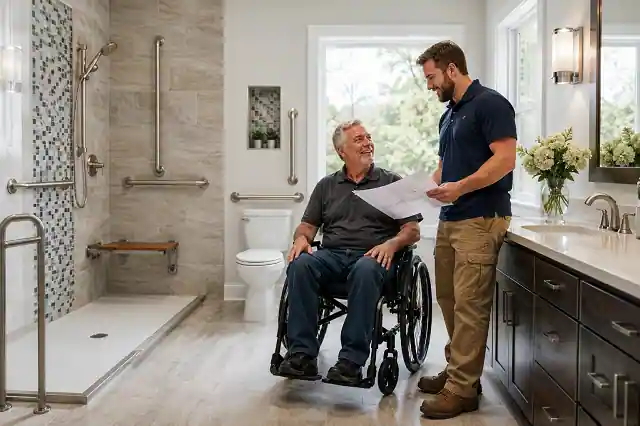
Bathrooms are among the most common areas modified through accessibility grants because they present one of the highest fall risks for individuals with mobility limitations.
- Roll-in showers
- Walk-in bathtubs
- Grab bars
- Raised comfort-height toilets
- Accessible sinks
- Slip-resistant flooring
- Hand-held shower systems
If your bathroom requires significant remodeling, you may also qualify for bathroom accessibility grants for disabled homeowners. Homeowners considering therapeutic bathing solutions should also review available walk-in bathtub assistance programs.
Entrance and Exterior Accessibility
Safe access to the home is another major funding priority. Many grant programs support improvements that eliminate barriers at entrances, sidewalks, and driveways.
- Wheelchair ramps
- Concrete walkways
- Accessible sidewalks
- Exterior handrails
- Threshold removal
- Automatic entrance doors
- Accessible parking areas
If an aging entrance door creates additional accessibility problems, homeowners may qualify for door replacement assistance for seniors or grants to replace unsafe exterior doors, depending on the overall rehabilitation project.
Interior Accessibility Modifications
- Door widening
- Hallway expansion
- Accessible flooring
- Residential stair lifts
- Platform lifts
- Improved lighting
- Accessible electrical controls
Older homes often require structural repairs before accessibility improvements can begin. In those situations, homeowners should also explore foundation repair grants or financial assistance for sagging floor repairs if those conditions affect safe mobility.
Accessible Kitchen Improvements
- Lower countertops
- Pull-out shelves
- Accessible cabinets
- Lever-style faucets
- Accessible appliances
- Improved workspaces
Some homeowners also choose to include energy-efficient improvements during accessibility renovations. These upgrades may qualify under separate home improvement assistance programs when funding is available.
USDA Section 504 Home Repair Program
The USDA Section 504 Home Repair Program continues to be one of the most valuable funding sources for disabled homeowners living in eligible rural areas of Texas. The program helps very-low-income homeowners remove health and safety hazards while making homes more accessible.
Depending on eligibility, applicants may receive grants, low-interest loans, or a combination of both. Accessibility improvements are frequently approved when they allow homeowners to safely remain in their residence.
Common Accessibility Projects Funded
- Wheelchair ramps
- Accessible bathrooms
- Door widening
- Grab bars
- Accessible entrances
- Structural accessibility improvements
- Safety-related repairs
Applicants unfamiliar with this federal program should first review the detailed USDA Section 504 Home Repair Grant Guide. Homeowners living in rural communities may also benefit from learning how the USDA Section 504 program supports critical home safety repairs, since accessibility improvements are often approved alongside structural rehabilitation.
Official USDA Resource: USDA Rural Development
VA Housing Adaptation Grants for Disabled Veterans in Texas
Texas is home to one of the largest veteran populations in the United States, making VA Housing Adaptation Grants an important funding source for disabled homeowners. Veterans with qualifying service-connected disabilities may receive financial assistance to modify their homes so they can live more safely and independently.
Unlike many traditional home improvement programs, VA housing grants are specifically designed to remove accessibility barriers and improve mobility inside and outside the home. Depending on the nature of the disability, veterans may qualify for one or more housing adaptation benefits that can be combined with state or local assistance programs.
Many eligible veterans also receive additional assistance through broader home repair grants for disabled veterans, helping reduce the total cost of accessibility renovations.
Major VA Accessibility Grant Programs
- Specially Adapted Housing (SAH) Grant
- Special Housing Adaptation (SHA) Grant
- Home Improvements and Structural Alterations (HISA) Grant
Accessibility Improvements Frequently Covered
- Wheelchair ramps
- Accessible bathrooms
- Roll-in showers
- Kitchen accessibility modifications
- Automatic entry systems
- Door widening
- Residential lifts
- Exterior accessibility improvements
- Accessible pathways
Veterans planning major home renovations should also review available federal home repair grants for veterans and VA home renovation grant programs. Homeowners needing accessibility improvements after roof or structural damage may benefit from additional roof replacement grants for disabled homeowners, especially when repairs are necessary before accessibility modifications can begin.
Official VA Resource: VA Disability Housing Grants
Texas Department of Housing and Community Affairs (TDHCA) Accessibility Programs
The Texas Department of Housing and Community Affairs (TDHCA) partners with local governments, nonprofit organizations, housing authorities, and community agencies to administer housing rehabilitation programs throughout Texas. While TDHCA does not operate a statewide accessibility grant exclusively for disabled homeowners, many of its funded rehabilitation initiatives include accessibility modifications as eligible expenses.
Depending on where you live, funding may be available through city or county housing rehabilitation offices using federal and state housing dollars. These programs frequently prioritize homeowners with disabilities, seniors, veterans, and low-income households whose homes present health or safety concerns.
Projects That May Be Covered
- Wheelchair accessibility improvements
- Critical home rehabilitation
- Bathroom accessibility upgrades
- Accessible kitchen modifications
- Exterior ramps and pathways
- Structural accessibility improvements
- Health and safety repairs
- Accessibility-related electrical upgrades
Many homeowners successfully combine TDHCA-funded rehabilitation assistance with HUD home improvement grants or broader nonprofit home repair assistance programs to complete larger projects that exceed a single funding source.
If your home requires repairs before accessibility improvements can be installed, you may also qualify for emergency home repair grants, water-damaged wall repair grants, or electrical panel replacement assistance. Addressing these underlying safety issues often improves eligibility for accessibility funding.
Homeowners planning comprehensive renovations should also explore government grants for home renovations and low-income home improvement assistance, as these programs can sometimes be layered with local accessibility initiatives.
Official TDHCA Website: Texas Department of Housing and Community Affairs (TDHCA)
Texas Ramp Project and Community-Based Accessibility Programs
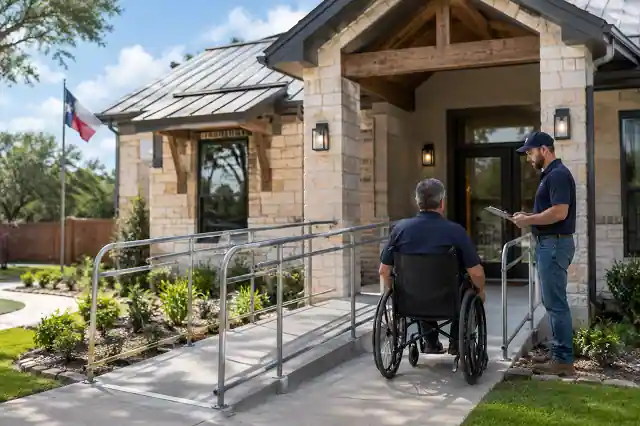
Not every homeowner qualifies for large federal grants, but that does not mean accessibility improvements are out of reach. Across Texas, several nonprofit organizations and volunteer programs help disabled homeowners build safer, more accessible homes at little or no cost. One of the most recognized organizations is the Texas Ramp Project, which provides free wheelchair ramps for qualified residents with mobility challenges.
The Texas Ramp Project works with volunteers, healthcare providers, veterans’ organizations, and local community partners to construct wheelchair ramps that allow individuals to safely enter and exit their homes. Because funding is donation-based, availability varies by county, making early applications especially important.
These nonprofit programs can often be combined with broader nonprofit home repair grants, allowing homeowners to complete additional safety improvements beyond wheelchair access.
Accessibility Improvements Commonly Provided
- Wheelchair ramps
- Entryway safety improvements
- Exterior handrails
- Accessibility assessments
- Volunteer labor assistance
If your entrance also requires replacing damaged doors or unsafe steps, additional assistance may be available through front door replacement grants or deck repair and home safety grants.
Official Website:
Texas Ramp Project
HUD Community Development Block Grant (CDBG) Accessibility Assistance
Many Texas cities and counties receive annual funding through the federal Community Development Block Grant (CDBG) program administered by HUD. Local governments frequently use these funds to support housing rehabilitation projects for low-income homeowners, including accessibility modifications for people with disabilities.
Unlike statewide grant programs, CDBG assistance is administered locally. Available funding, income limits, and eligible improvements vary by community, but many local rehabilitation programs include accessibility work as a priority.
Projects Frequently Covered
- Bathroom accessibility upgrades
- Wheelchair ramps
- Door widening
- Kitchen accessibility improvements
- Structural safety repairs
- Electrical accessibility upgrades
- Health and safety rehabilitation
Because CDBG programs often require homes to meet minimum safety standards, applicants may first need repairs funded through emergency home repair grants, basement repair assistance, or water pipe replacement grants.
Official Resource: HUD CDBG Program
Area Agencies on Aging, Independent Living Centers, and Local Texas Programs
Many disabled homeowners are surprised to learn that some of the most effective accessibility assistance comes from local organizations rather than statewide grant programs. Area Agencies on Aging (AAA), Independent Living Centers (ILCs), county housing departments, and nonprofit disability organizations frequently coordinate home assessments, contractor referrals, financial assistance, and accessibility planning.
These organizations often help homeowners identify multiple funding opportunities, reducing the need to pay for expensive accessibility renovations out of pocket.
Services May Include
- Accessibility assessments
- Grant application assistance
- Contractor referrals
- Home modification planning
- Durable medical equipment referrals
- Independent living resources
- Housing rehabilitation coordination
Homeowners completing comprehensive renovations should also review available home improvement grants for homeowners, low-income repair assistance, and low-income home improvement grants, since combining programs is often encouraged when funding rules permit.
Official Resources:
How to Maximize Your Chances of Receiving a Texas Accessibility Grant
Competition for accessibility modification grants has increased as more Texans choose to age in place or remain in their homes after a disabling injury or illness. Fortunately, many applications are denied because of incomplete paperwork—not because applicants are ineligible. Preparing a complete application package can significantly improve your approval chances.
Start by obtaining a written recommendation from your physician, occupational therapist, or rehabilitation specialist explaining why the requested accessibility modifications are medically necessary. This documentation helps funding agencies prioritize projects that directly improve health, safety, and independent living.
Applicants should also gather multiple contractor estimates before applying. Many programs require at least two or three written bids to verify project costs.
If your home needs additional repairs before accessibility improvements can begin, consider applying for electrical panel replacement grants, septic system replacement assistance, or Texas roof replacement grants. Completing critical repairs first often improves eligibility for accessibility funding.
Do not rely on a single funding source. Many successful homeowners combine federal, state, nonprofit, veterans, and local housing assistance programs to fully finance accessibility renovations.
How to Apply for Texas Accessibility Modification Grants
- Determine Your Eligibility
Confirm your disability status, household income, homeownership, and residency requirements before applying. - Obtain Medical Documentation
Request a physician or occupational therapist to document why each accessibility modification is medically necessary. - Schedule a Home Accessibility Assessment
Many agencies require an inspection to identify safety hazards and recommend appropriate modifications. - Collect Contractor Estimates
Obtain written estimates from licensed contractors for each proposed accessibility improvement. - Apply to Multiple Programs
Submit applications to USDA, VA, TDHCA, local rehabilitation offices, nonprofit organizations, and county assistance programs whenever eligible. - Respond Quickly to Additional Requests
Grant administrators may request income verification, property records, insurance information, or updated medical documentation. - Complete Approved Work Using Program Guidelines
Most programs require approved contractors, inspections, and final documentation before grant funds are released.
Homeowners unfamiliar with the application process should also review how to apply for home repair grants successfully and learn practical strategies to find hidden home repair grants available in their area.
Can You Combine Multiple Accessibility Assistance Programs?
Yes. In many cases, combining multiple funding sources is the best way to complete expensive accessibility renovations. While every program has its own rules, many allow homeowners to use additional grants, nonprofit assistance, charitable donations, or veterans’ benefits to cover project costs that exceed a single funding limit.
For example, a homeowner may receive:
- USDA Section 504 assistance for structural repairs
- VA HISA funding for bathroom accessibility
- Texas Ramp Project assistance for a wheelchair ramp
- Local CDBG funding for additional rehabilitation work
- Nonprofit support for accessibility equipment
Planning renovations in phases often makes larger projects easier to finance. Homeowners considering comprehensive upgrades should also explore government grants for home renovations, home improvement funding opportunities, and low-income homeowner assistance programs to maximize available resources.
Frequently Asked Questions
1. Are accessibility modification grants available throughout Texas?
Yes. Federal programs are available statewide, while local funding depends on your county, city, or housing authority.
2. Can seniors with disabilities apply?
Absolutely. Many programs specifically prioritize seniors who wish to safely age in place.
3. Do veterans receive special funding?
Yes. Eligible veterans may qualify for SAH, SHA, HISA, and additional VA home adaptation grants.
4. What accessibility improvements are most commonly funded?
Wheelchair ramps, walk-in showers, widened doorways, grab bars, stair lifts, accessible kitchens, and safer entrances are among the most frequently approved projects.
5. Do grants have to be repaid?
Most grants do not require repayment when all program requirements are met. Loan programs, however, must be repaid according to their terms.
6. Can I receive more than one grant?
Often, yes. Many homeowners combine federal, state, nonprofit, and veterans’ assistance programs to complete larger accessibility projects.
7. Where should I begin?
Start with your local housing rehabilitation office, TDHCA partner agency, USDA Rural Development office, VA representative, or Area Agency on Aging to identify programs available in your community.
Why You Can Trust This Guide
Last Updated: June 2026
Reviewed By: Housing Assistance Research Team | HomePropertyGrants.com
- Researched Using Official Sources – Information in this guide is based on current guidance from USDA Rural Development, HUD, the U.S. Department of Veterans Affairs, the Texas Department of Housing and Community Affairs, Texas Health and Human Services, and other official housing agencies.
- Focused on 2026 Program Information – Funding options, eligibility requirements, and program availability have been updated to reflect the most current information available for Texas homeowners.
- Designed for Real Homeowners – The recommendations focus on practical accessibility improvements that help individuals with disabilities remain safe, independent, and comfortable in their homes.
- Supports Better Grant Planning – The guide explains how multiple funding sources may work together, helping homeowners develop a realistic accessibility improvement strategy.
- Regularly Reviewed – This article is periodically reviewed to reflect changes to housing assistance programs, funding opportunities, and accessibility resources.
Conclusion
Texas offers numerous opportunities for disabled homeowners to receive financial assistance for accessibility modifications. Whether funding comes from USDA Rural Development, VA Housing Adaptation Grants, TDHCA rehabilitation programs, Community Development Block Grants, nonprofit organizations, or local community initiatives, these programs share one goal: helping Texans live safely and independently in their own homes.
Because funding is often limited and demand continues to grow, homeowners should begin researching available programs as early as possible, gather complete documentation, and apply to multiple funding sources whenever eligible. Careful planning, strong medical documentation, and combining complementary programs can dramatically reduce the cost of accessibility renovations while improving long-term quality of life.

Arthur Pendelton is a senior housing policy researcher and public welfare analyst with over eight years of experience tracking federal, state, and non-profit residential repair programs. He specializes in statutory grant frameworks, including USDA Section 504 Rural Housing, the Department of Energy’s Weatherization Assistance Program (WAP), and municipal HUD Community Development Block Grants (CDBG). Arthur systematically audits Federal Register publications and Title 7/42 CFR regulatory updates to provide low-income homeowners, seniors, and military veterans with accurate, barrier-free application guidance.